

AI Accountant: How to Compare AI Tools and Human Advice in 2026

What if the biggest value of an ai accountant isn’t replacing your accountant, but giving you more time to make better decisions? If you’re wondering whether AI can manage your business finances as well as a human, it’s reasonable to want faster admin without risking costly mistakes.
AI tools can help with repetitive accounting work, such as organising transactions, supporting reconciliations and summarising financial information. But a polished answer isn’t always reliable, and software can’t understand every detail behind your business choices or what you want your life to look like. In Australia, you remain responsible for checking information used in your tax affairs, so human review matters.
This guide explains what AI can and can’t do in an accounting workflow, where professional judgement makes a difference, and how to assess the practical trade-offs. You’ll also learn how to combine automation with human insight, so your financial information does more than meet a compliance need. It can help you make choices that support your business plans and personal priorities.
Key Takeaways
- An ai accountant can mean software, an automated workflow, or an accountant using AI, so identify what kind of support you’re evaluating.
- Trace how financial information moves from input to review before relying on the resulting reports or summaries.
- Compare AI-only tools, software-supported accounting and accountant-led support by the tasks and decisions each can handle.
- Assess task fit, workflow compatibility, review controls and data handling, and verify current software details with the vendor.
- Use financial insights to plan around your business direction and personal priorities, not just to complete accounting tasks.
What Is an AI Accountant, and What Does It Actually Do?
Does “AI accountant” mean a piece of software, an automated bookkeeping workflow, or an accountant who uses digital tools? For a small business, it could describe any of these. The useful question isn’t just whether a tool uses AI. It’s which task it supports, what information it relies on, and who checks the result before you act on it.
An AI accountant is AI-enabled software or a process that supports selected accounting tasks. It can organise and process information, but professional advice comes from interpreting that information in context. Processing figures can make records easier to work with. Deciding what those figures mean for your business may require human judgement.
Which accounting tasks can AI tools support?
Depending on the tool and setup, AI-enabled features may extract invoice details, such as the date, supplier or amount, and suggest a category for a transaction. These functions can reduce repetitive handling, but suggestions still need to be checked against the source document and your business records.
Some products may also offer reconciliation assistance or report-generation features. Treat these as tool-specific capabilities, not standard features of every platform. Traditional Accounting Software provides the foundation for recording and managing financial information. Where available, AI capabilities add another layer to particular tasks. Check the vendor’s current feature details and consider whether the function suits the way your records are managed.
Automation prepares information; it doesn’t automatically establish whether a decision is appropriate. A categorised expense or cash flow report can help you see what’s been recorded, but the figures may need review before you use them to make a tax, spending or business-planning decision.
What does the term “AI accountant” mean for a small business?
The phrase can refer to three different arrangements:
- Standalone software: a tool performs selected tasks, such as capturing invoice information or suggesting transaction categories.
- Software-assisted bookkeeping: digital tools help organise records, while a person reviews and manages the bookkeeping process.
- Human accounting supported by digital tools: an accountant uses software to work with financial information and provides interpretation or advice based on the business’s circumstances.
Consider a Geelong business owner reviewing a report before deciding whether to hire, invest in equipment or adjust spending. A tool may organise the figures and present a summary. An adviser can help interpret what the figures mean alongside the owner’s plans, cash flow needs and personal priorities.
Not every AI tool handles tax, compliance or advisory work. Capabilities vary with the product, configuration and information supplied. Start by identifying the task you want to improve, then distinguish automated processing from the human review and guidance needed to make confident decisions.
How AI Accounting Works: From Financial Documents to Useful Information
An AI-supported accounting workflow is best understood as a sequence, not a magic button. Financial information enters a system, software processes it, a person checks the result, and then the business decides what to do. The exact steps depend on the tools and setup, but knowing where review belongs helps you use automation with confidence.
How financial information moves through an AI-supported workflow
A workflow might begin with documents captured digitally or transactions imported from another system. Depending on the software, it may then extract details, suggest categories, or flag entries that appear unusual or incomplete. The information may sync with accounting software if the chosen tools support that integration and it has been set up correctly.
The quality of the result depends partly on what goes in. A missing document, unclear description or duplicate entry can affect the records that follow. Categorisation rules matter too: a system may apply a rule consistently, but that doesn’t mean the rule reflects the right treatment for every transaction. Connected systems can pass information between one another, so check that the relevant integration is available and configured for your workflow.
A useful process includes a review point before reports or records are relied on. Check that key details match the source documents, that suggested categories make sense, and that flagged items have been resolved or explained. Not every task needs to be handled manually. Routine processing and meaningful review work together.
Where human review adds context
Imagine a Geelong business sees an expense that looks different from its usual purchases. The entry might be correct, but the reason for it may not be obvious from the transaction description alone. The owner can explain what the purchase relates to, while a person reviewing the records can consider whether it has been categorised appropriately. The software can organise the information, but it can’t reliably supply context that was never recorded or provided.
An automated accounting output is a starting point for review, not a decision in itself. A report describes the information recorded in the system. It doesn’t necessarily explain why cash has changed, whether a result is unusual for this business, or what action would best support the owner’s plans. Those questions involve judgement and circumstances beyond the figures.
Once the records have been reviewed, they can contribute to clearer conversations about cash flow and strategic choices. For example, an owner weighing a change in spending can consider the financial information alongside upcoming commitments and business priorities. Small business cash flow forecasting can help turn financial information into a forward-looking view, while human guidance helps connect that view to the decisions and goals that matter.
That’s the practical role of an ai accountant in a well-considered workflow: it may help move information through routine steps, while review and interpretation make the resulting picture useful. Keep those stages distinct, and technology can support your decisions without making them on your behalf.
AI Accountant vs Human Accountant: Compare the Right Kind of Support
Can an ai accountant do the same job as a human accountant? Not exactly. Software can support repeatable processing, while people can examine the circumstances behind the figures and help weigh options. The right balance depends on how consistent your records are, how complex your decisions have become, and what kind of support will help you run the business you want.
Use this comparison to focus on the work each approach supports, rather than assuming one is best for every small business.
| Approach | Suitable tasks | Context and owner involvement | Decisions it supports |
|---|---|---|---|
| AI-only tool | May assist with routine, repeatable processing, such as extracting details or sorting transactions, depending on the product. | The owner supplies or connects information, checks outputs and resolves questions the tool can’t answer from the data. | Helps organise information for the owner to consider; it doesn’t provide tailored interpretation by itself. |
| Software-supported accounting | Combines accounting software with human handling and review of records and reports. | The owner shares business context and answers queries; a person checks how information has been recorded. | Can support a clearer view of business performance and inform practical next steps. |
| Accountant-led support | Human accounting and advice, supported where useful by digital tools. | Discussion can take account of business circumstances, plans and owner priorities as well as the records. | Can help assess strategic trade-offs involving cash flow, tax strategy and wider business goals. |
When accounting automation may be enough
Automation may suit a workflow that’s consistent, clearly documented and built around repeatable tasks. For example, if transactions arrive in a predictable format, software may help organise them for review. Before relying on a process, understand which information it uses, what it produces and where you need to check the results. The aim is to make routine work more manageable, not to assume processing will always be correct or complete.
When human accounting and business advice matter
Unusual transactions, incomplete records and decisions with broader consequences call for careful attention. An adviser can ask what sits behind a result, then consider it alongside cash flow, tax strategy, upcoming plans and the owner’s priorities. That perspective is valuable when a decision could affect more than the next report, such as changing how the business operates or balancing growth with the lifestyle the owner wants.
Software can process information quickly; human expertise helps judge what it means for this business and its goals. AI capability alone doesn’t make human expertise unnecessary. A tool can’t automatically know whether a proposed change fits the owner’s circumstances or what trade-offs matter most.
Think about the support you need now. If the work is predictable and you’re comfortable reviewing the outputs, automation may play a larger role. If your circumstances are changing or you’re weighing decisions with wider effects, human interpretation may be central. Many owners use a blend, adjusting the balance as their records, business complexity and priorities evolve.
How to Evaluate an AI Accountant for Your Australian Small Business
Choose technology to solve a real problem, not simply because it promises to do more. Start with one repetitive task that takes time but has a straightforward process. Then test whether the tool fits the way your business already manages its financial records.
Reliable records are the foundation for useful automation. If information is incomplete or inconsistent, a tool may produce results that need more checking. Strong small business accounting fundamentals help make the information behind your reports more useful to you and any adviser reviewing them.
A practical checklist for comparing AI accounting tools
Use these questions to assess whether an ai accountant tool is a sensible fit for your workflow:
- Task fit: Identify one specific job, such as organising invoice details or suggesting transaction categories. Confirm that the tool supports that task, rather than assuming it can manage your whole accounting process.
- Workflow compatibility: Check whether it works with your existing accounting process, systems and file formats. Verify the vendor’s current integration information directly, and consider what extra handling may be needed if systems don’t connect.
- Review controls: Find out how users can spot an automated suggestion, correct it and approve the final record. A clear review process helps you stay involved and catch issues before relying on the information.
- Data handling: Read the vendor’s current privacy terms and data-use settings through its own official materials. Understand what information is collected, how it is used and what choices you have before sharing business records.
Features and terms can change, so verify them directly with the vendor rather than relying on an old comparison or a broad product claim. If the tool will touch tax or compliance-related work, seek current, reliable professional guidance before relying on its output. Don’t treat a software feature as confirmation that a tax position or compliance decision is appropriate for your circumstances.
Start with a small, low-risk trial. Use a limited set of records, compare the tool’s output with the source information and note where corrections or extra review are needed. Keep an appropriate human check in place while you learn how the workflow behaves. Consider expanding its role only once you understand what it handles well and where it needs support.
Connect technology decisions to business and lifestyle goals
Which repetitive tasks take time away from customers, planning or personal priorities? What decision would better-organised financial information help you make? These questions keep the focus on outcomes, not novelty. A tool is useful when it supports a clearer view of the business and frees attention for work that matters.
If you want to connect financial clarity with your business direction, The Bucket List Accountant provides business advisory and coaching to help small business owners align their strategy with personal goals. The aim is to choose an approach that helps you move towards your plans with greater confidence.
Make AI Accounting Part of a Bigger Plan for Your Business
Technology is a means, not the destination. The goal isn’t to build the most automated accounting setup in Geelong. It’s to create enough financial clarity to make thoughtful choices about your business and the life you want it to support. A useful system should help you see progress and make decisions, not become another project that demands attention without a clear purpose.
Turn better financial clarity into decisions that fit your life
Start with one question: what business task or decision would you like to feel clearer about? It might be understanding whether your current workload supports sustainable growth, deciding how much time to devote to the business, or making room for an important personal milestone. Naming the goal gives your financial information a practical purpose.
Organised accounts can help you have more useful conversations about what’s happening in the business. But the numbers don’t define success on their own. The right interpretation depends on what matters to you, whether that’s growing at a manageable pace, protecting time with family or working towards a longer-term ambition.
The Bucket List Accountant combines accounting with a coaching approach to connect business choices with personal priorities. Its business advisory and coaching support can help you consider how your financial picture and business direction fit together.
Choose a confident next step, not a perfect technology stack
You don’t need to solve every accounting challenge at once. Choose one workflow you’d like to improve, then name one decision that still needs human context. This simple distinction can help you decide where software might assist and where a conversation about your circumstances, plans and trade-offs would be more valuable.
- Pick a practical starting point: Identify a recurring task that takes attention away from customers, planning or time outside work.
- Define the decision behind it: Ask what you hope to understand or do with the resulting financial information.
- Keep your bigger priorities in view: Consider how the next step could support sustainable business progress and personal goals.
An ai accountant or other digital tool may be one part of that picture, but it doesn’t need to determine your direction. What matters is choosing support that helps you move forward with greater confidence and keeps your business aligned with the life you’re building.
Take the Next Step Towards Financial Clarity
You don’t need to choose a perfect technology setup before making progress. Begin with one practical question: what would you like your financial information to help you do next? A thoughtful ai accountant approach can include automation where it suits, alongside human guidance for decisions shaped by your business circumstances and personal priorities.
The right support should help you move towards more than tidy records. The Bucket List Accountant’s small business accounting, tax advisory, cash flow forecasting and business coaching can help connect financial decisions to the direction you want your business and life to take, whether you’re in Warrnambool, Geelong or Colac.
Ready to explore what that could look like for you? Explore business accounting and advisory support and take a confident first step towards your goals.
Frequently Asked Questions
Will AI replace accountants for small businesses?
No, AI is more likely to change how some accounting tasks are completed than remove the need for human expertise. A small business may use automation to organise routine records, while an accountant helps investigate an unexpected result or weigh a significant change, such as taking on a new lease. The right mix can shift as the business grows, hires staff or faces decisions that call for a closer understanding of its circumstances.
Can ChatGPT do my business accounting?
No, ChatGPT shouldn’t be treated as your accounting system or a substitute for checking business records. It may help explain a bookkeeping term or draft questions to discuss with an adviser, but it can generate inaccurate answers and doesn’t automatically have your complete, current financial information. For example, use it to clarify what a report label might mean, then verify the interpretation against your records or with an appropriate professional.
Is it safe to give an AI accountant my financial information?
It depends on the specific service and its current data practices, so don’t assume every tool handles sensitive information in the same way. Before uploading invoices or bank details, read the provider’s privacy terms and data-use settings, including how information may be stored or used. Share only what’s needed for the task, and avoid entering identifying or confidential details into a tool until you understand its protections and settings.
What accounting tasks can AI automate?
Depending on the software, AI may assist with reading invoice details, suggesting categories for transactions, or organising information for review. Some tools may also support reconciliation or reporting, but features differ. A practical test is to compare a small batch of processed records against their original documents and note what needs correction. This helps you understand whether a feature fits your workflow before making it part of regular bookkeeping.
Can an AI accountant lodge my business tax return?
Don’t assume an AI tool can lodge a business tax return simply because it can organise financial data or produce a summary. Lodgement capability depends on the product and how it’s set up, and tax decisions need reliable, current guidance relevant to your circumstances. Before relying on a tool for tax-related work, check its current functions with the provider and discuss the process with an appropriately qualified tax professional.
How do I choose between AI accounting software and an accountant?
Start with the kind of help you need. If you want assistance with a repeated admin task and can review the result, software may be worth assessing. If you’re facing a tax question, an unusual transaction or a choice with broader consequences, speak with an accountant. Small business owners in Warrnambool, Geelong and Colac can also consider a combination, using software for selected tasks and human support for advice.
Can AI accounting software understand my business goals?
Not in the way a person can understand your priorities through a conversation. Software may organise information that helps you assess performance, but it can’t reliably know whether you’re aiming for measured growth, more time away from work or another personal milestone unless that context is provided and appropriately interpreted. An accountant or business adviser can help connect financial information with your plans, so business decisions reflect what success means to you.
Ready to connect your accounting and business strategy with the life you want to build? Explore business advisory and accounting support from The Bucket List Accountant.
The information on this website is general in nature and is provided for information purposes only. It is not legal, financial or professional advice. You should obtain specific, independent advice relevant to your circumstances.
Article by
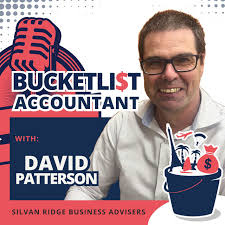
David Patterson
With more than three decades of experience helping business owners grow profitable, sustainable businesses, he focuses on one simple idea: Your business should give you a life, not take one away.
David works with small business owners who are doing okay but feel stretched, time-poor, or stuck. He helps them regain control of their numbers, build stronger systems, and create the financial freedom to start ticking off the things that matter most, now... not "someday".
He is the creator of the Bucket List Business Program, host of The Bucket List Accountant Podcast, and a passionate believer that success isn’t measured by revenue alone, it’s measured by the life your business allows you to live.
Disclaimer
“The information on this website is general in nature and is provided for information purposes only. It is not legal, financial or professional advice. You should obtain specific, independent advice relevant to your circumstances.”