

How to Systemise a Small Business for Freedom and Growth in 2026

What if the very engine you built to provide freedom has actually become the cage that keeps you from it? For many Australian owners, the dream of independence has turned into 60 hour weeks and missed family milestones. Understanding how to systemise a small business is the bridge between being an exhausted operator and becoming a free, strategic leader who actually enjoys their weekends.
I know how it feels to be the only one who can keep the wheels turning. I've spent decades observing local business owners struggle with these hurdles, and I've seen how much more rewarding life becomes when you have a clear plan. This article provides the strategic framework to transform your operations into a self-sustaining engine. I promise to show you how to reclaim at least 10 hours every week to focus on your bucket list while ensuring quality remains high.
We'll explore the transition from friction to freedom, showing you how to build a business that operates predictably without your constant input. By the end, you'll have a clear, actionable plan to make 2026 the year you finally step back and watch your business grow.
“The information on this website is general in nature and is provided for information purposes only. It is not legal, financial or professional advice. You should obtain specific, independent advice relevant to your circumstances.”
Key Takeaways
- Learn how to reframe operational systems as a "Freedom Blueprint" that buys back your time for family milestones and personal travel.
- Master the "Three D’s" framework to audit your current workload and identify which tasks you should delete, digitise, or delegate immediately.
- Discover the strategic framework for how to systemise a small business by documenting decision-making criteria so your team can think like you do.
- Overcome the "Hero Syndrome" myth and use the 80% Rule to maintain high quality while stepping away from daily operations.
- Understand how to align your new efficiency with a broader business advisory strategy to ensure your growth funds your ultimate bucket list.
Why Business Systemisation is Your 2026 Ticket to Freedom
Many business owners in Warrnambool and across Australia start their journey with dreams of travel, family time, and financial independence. You started it for freedom. By the time 2026 rolled around, many found themselves trapped in the daily grind instead. If you're working 60 plus hours a week, you aren't running a business; you're working a job where the boss is a perfectionist who never lets you take a holiday. Understanding how to systemise a small business is the only way to break this cycle and finally buy back your life.
Systemisation is often misunderstood as just a collection of boring manuals. In reality, it's the act of building a self-sustaining engine that operates predictably without you. When you remove yourself as the central bottleneck, you create space for growth and personal joy. If you don't, the hidden costs will eventually surface in your health, your stress levels, and those missed family milestones that you can never get back. To see where your business stands today, you can use the Bucket List Scorecard to identify exactly where the friction is highest.
The Freedom vs. Friction Framework
Every task in your calendar either gives you energy or drains your battery. Friction occurs when you're stuck in low-value, repetitive loops that prevent you from strategic planning. Think about the last time you tried to plan for 2026. Did you get interrupted by a staff question or a customer email? That's friction. By mapping your personal goals to the time you need to reclaim, you can identify which processes need to be automated or delegated first. Your business should serve your life, not the other way around. Stop doing everything. Start leading.
Systems as an Investment, Not an Expense
It's easy to view new software or hiring help as a cost, but that's a mindset trap. Consider the opportunity cost of a business owner doing admin work that could be handled by a system for the equivalent of A$30 an hour. If you reclaim just 10 hours a week, you're gaining over 500 hours a year for high-value strategic decisions or bucket list adventures. While the formal study of Business process management can feel academic, its practical application is about shifting from "paying for tools" to "investing in your freedom." Learning how to systemise a small business allows you to scale without sacrificing your well-being. Your business should be an asset, not a life sentence.
“The information on this website is general in nature and is provided for information purposes only. It is not legal, financial or professional advice. You should obtain specific, independent advice relevant to your circumstances.”
The Freedom Audit: Identifying What to Systemise First
Before you can rebuild your business into a self-sustaining engine, you need to identify where the leaks are. Most owners feel busy, but they rarely know exactly where their time goes. A simple time-tracking audit is your first step to clarity. For one week, record every task you perform. You'll likely find that your weekends are disappearing into a black hole of low-value admin and repetitive questions. This data is the raw material for your transformation.
Once you have your list, apply the "Three D’s" of task management. First, Delete any task that doesn't actually move the needle for your 2026 goals. Second, Digitise anything that can be handled by software or automation. Finally, Delegate the rest. If you're wondering how to systemise a small business, this audit is the non-negotiable starting point. It allows you to categorise tasks into low-skill/high-time and high-skill/low-time buckets. Your goal is to spend 80% of your hours in your "Zone of Genius", the place where your unique talents drive the most value.
The Low-Hanging Fruit: Admin and Compliance
Bookkeeping and payroll are the first things every Warrnambool owner should systemise. These tasks are critical but repetitive, making them perfect candidates for automation. Think of small business accounting as the engine for your freedom. When your numbers flow automatically, you stop chasing receipts and start making informed decisions. Don't let email and scheduling be the silent killers of your productivity. Use tools like automated scheduling or inbox filters to reclaim your mental space and focus on growth.
The Strategic Hand-off: Operations and Sales
As you grow, you'll need to decide when to bring in a virtual assistant versus a local Geelong-based team member. For many, a local face is vital for customer trust, while a VA can handle back-end operations. You can create your first Standard Operating Procedure (SOP) in under 10 minutes by simply recording a video of yourself performing a task. This allows you to trust your team with customer-facing roles, knowing they'll maintain your standards. If you're ready to design a custom strategy for your business, you can book a session to work with me and start your journey toward a lighter workload.
“The information on this website is general in nature and is provided for information purposes only. You should obtain specific, independent advice relevant to your circumstances.”
The 3 Layers of a Durable Business System
Building a business that runs while you're on a flight to Europe requires more than just a few Word documents. It requires a durable structure. If you've ever felt like your team is constantly asking you questions despite having manuals in place, you've likely only built the first layer. Understanding how to systemise a small business means looking deeper at how decisions are made when you aren't in the room. Most systems fail because they tell people what buttons to press but never explain why those buttons matter. Without the "why", your team will always look to you for the final say.
A durable system is built on three distinct layers:
- Layer 1: Process Documentation (The "How"): This is the foundation where you standardise the steps for every recurring task.
- Layer 2: Decision Criteria (The "Why"): This is where you empower your team to think like you by sharing your logic.
- Layer 3: Accountability (The "Check"): This ensures the system stays on track through regular reviews and clear financial data.
Layer 1: Creating "Definition of Done" Standards
Too many owners get bogged down creating 50 page manuals that nobody ever reads. Stop trying to be a technical writer. Instead of focusing on every tiny movement, focus on the "Definition of Done". Tell your team exactly what a successful outcome looks like. Use simple tools like screen recordings or checklists to capture the process in minutes. An outcome first approach to system design ensures that the result is always met, regardless of the specific path taken. This layer is about removing the guesswork from daily operations so quality remains consistent while you're away.
Layer 2: Empowering Your Team with Decision Logic
This is where you truly reclaim your weekends. You need to share the mental models you use to solve problems every day. Why do you follow up with a lead after three days instead of five? Why is a particular project priced higher than another? By documenting the "why" behind your pricing and follow up strategies, you build a culture where your team can make good calls without calling you. When your team understands your logic, they don't just follow a script; they manage the business with the same care you do. This level of systemisation transforms your business from a burden into a valuable asset. It gives you the peace of mind that your standards are being met, even when you're marking off another item on your bucket list.
“The information on this website is general in nature and is provided for information purposes only. You should obtain specific, independent advice relevant to your circumstances.”
Overcoming "Hero Syndrome" and Mindset Blocks
Many business owners in Warrnambool pride themselves on being the hardest worker in the room. It's almost a local badge of honour to be the first one in and the last one out. However, this "Hero Syndrome" is often the biggest hurdle to learning how to systemise a small business. You have to stop believing the myth that no one can do it as well as you. While you might be the expert, the 80% Rule suggests that if a team member can do a task 80% as well as you, it's often "perfect" for business growth. That remaining 20% is a small price to pay for the freedom to step away.
The hardest part of this journey isn't the software or the checklists; it's dealing with the guilt. You might feel like you're "slacking off" if you aren't buried in emails, but your role has changed. Reclaiming your time is a strategic move, not a lazy one. If you want a business that funds your life rather than consuming it, you need to align your professional management with your personal goals. Partnering with an accountant for work life balance can help you design a financial structure that supports this shift in lifestyle.
From Doer to Leader: The Identity Shift
Your value to the business changes significantly as you scale from a solo operator to a team of ten. You're no longer the primary technician; you're the architect of the engine. Letting go of the "busyness" badge common in Victorian business circles requires a total identity shift. You have to learn to trust your systems as much as you trust your own instincts. When you stop being the "doer" and start being the leader, you create space for your business to breathe and grow without your constant presence.
Building Trust with Your Local Team
Mistakes are part of the process. When a team member slips up, your instinct might be to immediately take the task back and do it yourself. Don't. That reaction kills initiative and reinforces the bottleneck. Instead, look at the system and ask why it failed. The role of business coaching is vital here, as it helps change your behaviour and teaches you how to create a "safety net" for your team. When they feel confident taking the lead, you're finally free to focus on the big picture. If you're ready to stop being the hero and start being the owner, book a discovery call with me today to start your transformation.
“The information on this website is general in nature and is provided for information purposes only. You should obtain specific, independent advice relevant to your circumstances.”
Your Roadmap to a Self-Sustaining Business in 2026
Learning how to systemise a small business is the final piece of your freedom puzzle. Once you've audited your time and built your three layers of systems, you need a roadmap to ensure these changes stick. Integrating these processes into your broader business advisory strategy ensures that every efficiency gain serves a larger purpose. You aren't just saving time for the sake of it. You're reclaiming hours to fuel strategic growth or to finally book that trip you've been putting off for years.
The true power of a self-sustaining business is the choice it gives you. You can choose to reinvest that reclaimed time into high-level innovation, or you can choose to spend it with your family. The role of a mentor is often the difference between a system that works and one that gathers dust. They help you stay focused on the "why" when the "how" gets overwhelming. When you have someone holding you accountable to your freedom goals, you're less likely to fall back into old habits of "doing it all." Start with just one task this week. Whether it's your Monday morning reporting or your Friday afternoon payroll, document it and hand it over. Small wins create the momentum you need to tackle larger operational shifts.
Planning for a 4-Day Work Week
A four day work week isn't a pipe dream for Australian owners anymore. It's a reality made possible through disciplined delegation and robust systems. To make this happen, you must schedule your "Bucket List" time first. If you don't block out that Friday for travel or hobbies, the business will naturally expand to fill the void. Use the Bucket List Scorecard to track your progress toward freedom. It helps you see exactly how close you are to having a business that runs predictably without your constant input. It turns the abstract idea of "systemisation" into a concrete metric you can improve month by month.
Partnering for Success and Accountability
It's hard to read the label when you're inside the bottle. An outside perspective is essential to seeing where your processes are leaking time or money. A dedicated strategy session can help you map out your next 12 months, turning grand visions into manageable, short-term plans. This is about more than just technical compliance; it's about making sure your professional decisions enable your life's ambitions. If you're ready to stop being the bottleneck and start being the owner, you can book your strategy session today. Let's design a business that funds your dreams while you're out living them.
“The information on this website is general in nature and is provided for information purposes only. You should obtain specific, independent advice relevant to your circumstances.”
Take the First Step Toward Your 2026 Freedom
Your business should be the vehicle that drives you toward your dreams, not the weight that holds you back. By mastering how to systemise a small business, you've already started the journey from being an exhausted operator to a strategic leader. We've explored how a Freedom Audit and the three durable layers of documentation, decision logic, and accountability can transform your daily grind into a self-sustaining engine.
I've seen many Warrnambool business owners reclaim 10 or more hours every single week by letting go of the "Hero Syndrome." As a mentor who understands the struggle of feeling overwhelmed, I'm here to provide the empathetic guidance you need to make this transition. You don't have to navigate this path alone.
Ready to reclaim your weekends? Book a Strategy Session with The Bucket List Accountant to start designing your dream life today. 2026 is your year to step back, watch your business grow, and finally start marking those big goals off your bucket list.
“The information on this website is general in nature and is provided for information purposes only. You should obtain specific, independent advice relevant to your circumstances.”
Frequently Asked Questions
What are the best tasks for a small business owner to systemise first?
Start with the high-volume, low-complexity tasks that drain your energy. Bookkeeping, payroll, and standard customer enquiries are the best places to begin. These are often the easiest to document and delegate. By automating these "low-hanging fruit," you'll immediately reclaim several hours each week. This creates the mental space needed to focus on more complex areas of how to systemise a small business as you grow.
How do I know if I am micro-managing my team through systems?
You're likely micro-managing if your processes focus on the "How" instead of the "What." Effective systems define a clear "Definition of Done" and provide the necessary decision logic, then step out of the way. If your team feels like they can't breathe without checking a manual for every tiny step, your system is too rigid. Trust your team to reach the outcome using the guidelines you've provided.
Can I systemise my business if I only have a very small budget?
Absolutely. You don't need expensive enterprise software to start. Many effective systems are built using free tools like screen recording software, simple checklists, and shared spreadsheets. The most important part of how to systemise a small business is the strategic thinking behind the process. Focus on capturing your logic and standardising steps before investing in high-end automation tools. Start small and scale as your reclaimed time generates more revenue.
What happens if the person I delegate to makes a major mistake?
Mistakes are often a sign that the system, not the person, has failed. Instead of taking the task back immediately, review the process documentation and the decision criteria you provided. Was the "Why" clear? Was there a safety net or a check-step in place? Use the error as a coaching moment to refine the system. This ensures the mistake won't happen again and keeps you from falling back into the "Hero Syndrome" trap.
How do I create an SOP for a task I do instinctively by heart?
The best way is to record yourself performing the task in real-time. Narrate exactly what you're doing and, more importantly, why you're making certain choices. This captures the instinctive part of your work that isn't always obvious on paper. Once you have the recording, you or a team member can easily turn those insights into a simple, actionable checklist or a short video guide for others to follow.
Is it better to hire a local Warrnambool employee or an offshore VA for systems?
It depends on the nature of the work. If the role requires local knowledge of the Geelong or Warrnambool market, a local hire is often better for building trust. However, for back-end administrative tasks or data entry, an offshore virtual assistant can be a cost-effective way to implement your systems. Many Victorian owners find success using a hybrid model that combines local leadership with offshore support for repetitive tasks.
How do I stop feeling guilty when I am not working 60 hours a week?
You have to reframe your value to the business. Working 60 hours isn't a badge of honour; it's often a sign that you're stuck in the "Founder Bottleneck." Your role is to be the architect of the engine, not the fuel. When you step back, you're actually allowing your team to grow and your business to scale. Focus on the milestones you're hitting on your bucket list as proof of your success.
How long does it typically take to see the benefits of a systemisation strategy?
You'll often see small wins within the first two weeks of delegating a single task. However, a full operational shift usually takes between three to six months to feel "natural." During this time, you'll refine your processes and build trust with your team. The momentum builds quickly. Once the first few systems are running smoothly, the compounding effect of reclaimed time allows you to accelerate your growth and personal freedom.
“The information on this website is general in nature and is provided for information purposes only. You should obtain specific, independent advice relevant to your circumstances.”
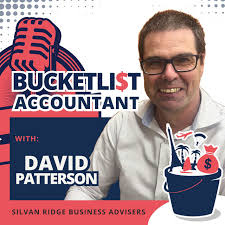
Article by
David Patterson
With more than three decades of experience helping business owners grow profitable, sustainable businesses, he focuses on one simple idea: Your business should give you a life, not take one away.
David works with small business owners who are doing okay but feel stretched, time-poor, or stuck. He helps them regain control of their numbers, build stronger systems, and create the financial freedom to start ticking off the things that matter most, now... not "someday".
He is the creator of the Bucket List Business Program, host of The Bucket List Accountant Podcast, and a passionate believer that success isn’t measured by revenue alone, it’s measured by the life your business allows you to live.
Disclaimer
“The information on this website is general in nature and is provided for information purposes only. It is not legal, financial or professional advice. You should obtain specific, independent advice relevant to your circumstances.”