

Seasonal Cash Flow Management: Navigating Ebb and Flow for a Bucket List Life

What if the quietest month on your business calendar wasn't a source of middle-of-the-night panic, but actually the date you marked for your next trip to the Whitsundays? For many Aussie business owners, the off-season feels like a looming shadow that threatens staff retention and personal peace of mind. You shouldn't have to feel like a slave to your revenue peaks or live in fear of the next dip. It's a common struggle to wonder how you'll meet your EOFY obligations or keep up with supplier payments when the cash coming in doesn't match the effort you're putting in.
I've spent decades helping people move from being overwhelmed to achieving their personal milestones. In this guide, you'll learn how to master the art of seasonal management using a small business cash flow forecast template to create a predictable financial buffer. We'll walk through the exact steps to build a cash reserve that allows you to take a holiday when business is slow, rather than working harder for less. By reframing your financial strategy as a tool for freedom, we'll ensure your business finally funds the life you've been dreaming of.
Key Takeaways
- Reframe seasonal revenue swings as a predictable rhythm rather than a crisis by analysing three years of historical business data to pinpoint your true cycles.
- Master the "War Chest" strategy to build a dedicated cash buffer during peak months, ensuring your staff and suppliers are always paid without stress.
- Utilise a small business cash flow forecast template to gain a clear, year-round view of your finances and eliminate the anxiety of the off-season.
- Learn to treat quiet periods as essential "Personal R&D" or holiday phases that allow you to work on your business strategy while ticking off your bucket list.
- Discover how strategic mentorship moves you beyond mere tax compliance toward a financial foundation that actively funds your personal dreams and family goals.
What is Seasonal Cash Flow Management in 2026?
At its heart, seasonal cash flow management is the strategic process of balancing your highest revenue peaks with the inevitable troughs that follow. It isn't just about keeping the lights on; it's about maintaining a steady rhythm so your personal life doesn't have to stop when the customers do. For business owners in regional Victoria, these swings are a part of life. Whether you are managing a tourism venture in Warrnambool, a retail shop in Geelong, or a farm-gate business near Colac, your income likely follows the sun, the rain, or the school holiday calendar.
Understanding the difference between a "bad month" and a predictable "seasonal dip" is the first step toward freedom. A bad month suggests something is wrong with your business model, but a seasonal dip is simply a known part of your business's natural breath. By using a small business cash flow forecast template, you can map these breaths before they happen. Effective cash flow forecasting allows you to see the winter lows while you are still in the summer highs. Ultimately, seasonal cash flow management is the financial engine that transforms business volatility into a predictable, adventure-ready lifestyle.
The Psychology of the "Off-Season"
Do you feel a tightening in your chest when you look at your bank balance in the middle of winter? That anxiety is real, but it doesn't have to be your permanent state. Many owners in Warrnambool fall into survival mode during the quiet months, cutting costs frantically and losing sleep over staff wages. We want to shift that mindset to a strategic pause. When you have financial clarity, the off-season becomes a time for growth and reflection rather than a period of professional burden. It's the difference between feeling like a slave to your shopfront and feeling like the captain of your own journey.
Why 2026 Demands Proactive Forecasting
The economic landscape of 2026 has changed the way Victorians spend their money. With 88% of small businesses reporting cash flow disruptions this year according to The Kaplan Group, relying on what happened last year is no longer a safe bet. Inflation remains a top concern for 34% of owners, and consumer spending habits are shifting toward more intentional, value-driven purchases. You need real-time monitoring to stay ahead. Using a small business cash flow forecast template ensures you aren't guessing about your future. It provides the peace of mind needed to know that even if the market shifts, your bucket list goals remain firmly on track.
Identifying Your Business’s Peaks and Troughs
To build a life of freedom, you first need to look back at where you've been. Analysing your historical data over a three-year period reveals the "true" heartbeat of your business. Why three years? A single year can be skewed by an unusually wet summer or a one-off local event. By looking at a broader window, you can distinguish between a fluke and a consistent pattern. When you plug this data into a small business cash flow forecast template, you start to see exactly when the cash surges and when it begins to ebb. This isn't just an accounting exercise; it's about gaining the clarity needed to plan your next big adventure without the nagging guilt of "what if the money runs out?"
Understanding your cycles also means distinguishing between your fixed and variable costs. Your rent doesn't care if it's a rainy Tuesday in July, but your staffing levels should. By identifying which costs you can flex during slow periods, you preserve the liquidity needed for your personal goals. Using a "Bucket List" lens to evaluate these cycles changes the conversation. Instead of seeing a trough as a failure, you see it as a scheduled window for rest or family time. A robust small business cash flow forecast helps you decide whether a quiet month is a threat to your stability or an invitation to go off-grid.
Mapping the Victorian Calendar
Regional Victoria has its own unique financial weather. Warrnambool businesses often thrive on the summer tourism surge and the May Racing Carnival. Meanwhile, Geelong and Colac might feel the pulse of university semesters or agricultural harvest cycles. Identifying your "shoulder seasons" is a vital part of this mapping process. These months are the Goldilocks zone for marketing and maintenance. By creating a visual revenue map for the year ahead, you remove the element of surprise. You'll know exactly when to push for sales and when to pull back and recharge. If you want to see how your current business rhythm stacks up against your goals, you can take our quick assessment to find your starting point.
Calculating Your "Survival Number"
What is the absolute minimum cash you need to keep the doors open each month? This "Survival Number" is your baseline for peace of mind. It must include your tax obligations, GST, and superannuation to avoid nasty surprises at EOFY. However, a true Bucket List survival number doesn't stop at business expenses. It must include the cost of your personal lifestyle. Your business exists to fund your life, not the other way around. Once you know this number, you can use your small business cash flow forecast template to ensure you're always staying above the line, even during the quietest Victorian winter.
4 Strategies to Smooth Your Cash Flow Curve
Turning a volatile revenue cycle into a predictable path toward your dreams requires more than just hope; it takes a proactive toolkit. Once you've identified your peaks and troughs, it's time to implement strategies that keep your bank balance healthy year-round. The goal isn't just to survive the quiet months, but to ensure they are funded well in advance. By using a small business cash flow forecast template, you can visualise exactly how these strategies will impact your future liquidity and personal freedom.
- The War Chest Approach: During your peak season, it’s tempting to increase personal spending. Instead, treat your surplus as a "War Chest." Set aside a fixed percentage of every high-season invoice into a separate account to cover the lean months.
- Flexible Supplier Terms: Don't be afraid to talk to your suppliers. Many are open to flexible payment terms during your off-season, especially if you've been a reliable partner during the peaks. Preserving cash during slow periods is vital for your peace of mind.
- Counter-Cyclical Diversification: If you run a summer-heavy tourism business in Warrnambool, what could you offer in winter? Look for products or services that appeal to locals when the tourists are gone, such as indoor workshops or local-only loyalty packages.
- Recurring Revenue Models: Can you turn a one-off service into a subscription or retainer? Even a small amount of guaranteed monthly income provides a floor that makes the "ebb" feel much less daunting.
Strategic Expense Management
Managing what goes out is just as important as what comes in. Timing your large equipment purchases for high-revenue months can help you manage your tax obligations while ensuring you have the cash on hand to pay for them. For Geelong businesses, using cloud accounting tools allows for real-time spend control, letting you see exactly where every dollar is going before it's too late. To dive deeper into this, check out our guide on Mastering Cash Flow Forecasting. Having this level of control is the foundation of a bucket list life.
Revenue Smoothing Tactics
Don't wait for the slow season to start thinking about sales. Implement early-bird booking incentives during your peak season to secure cash early for the months ahead. You might also create unique "off-season" packages that appeal to different local demographics who avoid the crowds. Maintaining your brand presence through digital marketing during quiet times ensures you stay top-of-mind when the next peak arrives. When you track these efforts in your small business cash flow forecast template, you can see the tangible results of your proactive planning.
Turning Slow Seasons into Bucket List Opportunities
Most traditional financial advice treats a seasonal dip as a problem to be solved with a line of credit or a frantic marketing push. I see it differently. When you have already planned for these cycles using your small business cash flow forecast template, a slow season isn't a crisis. It is a gift. It is the "Personal R&D" phase of your year. This is the space where you stop working in the business and start working on it. More importantly, it is the window where you finally tick off those life goals that a busy peak season makes impossible. Whether it's a month-long trip to the Kimberley or simply being present for every school sports day, a well-managed cash flow makes these moments guilt-free.
Designing Your Business Around Your Life
Why should you grind through a 60-hour week in July if your customers in Geelong or Colac are hibernating? This is the perfect time to experiment with your schedule. You might find that a 4-day work week is entirely sustainable during your shoulder seasons. Use this time to set non-negotiable personal milestones for the year ahead. When your finances are predictable, you can book those flights or family reunions months in advance. If you're ready to move beyond survival mode, working with an accountant for work life balance can help you design a business that serves your lifestyle, rather than consuming it.
The "Quiet Season" Audit
The best time to fix a leaky roof is when the sun is shining, and the best time to fix your business systems is when the phones are quiet. Use your off-season to review every process that felt clunky during the summer rush. This is also the ideal window for staff training. By upskilling your team now, you prepare them to take more off your plate when things ramp up again. Delegation is the essential key to reclaiming your weekends and ensuring you aren't the bottleneck in your own success. Take this time to update your small business cash flow forecast template for the next twelve months so you can walk into the next peak with total confidence.
Are you tired of feeling like a slave to your business peaks? Start building your lifestyle-first strategy today and turn your quiet months into your best months.
How Strategic Coaching Secures Your Financial Freedom
A traditional tax agent usually spends their time looking in the rearview mirror. They can tell you exactly what happened last quarter and how much you owe the ATO, but they rarely help you see the road ahead. A Bucket List mentor looks at the horizon instead. We believe that professional management is a tool for a better life, not just a legal necessity. For business owners in Warrnambool and Geelong, this means moving beyond the heavy weight of compliance stress and into a space of strategic empowerment. By using a small business cash flow forecast template alongside a dedicated mentor, you transform your bank balance from a source of anxiety into a clear map for your next achievement.
Our coaching framework is built on the belief that your business should be the engine that funds your family goals and travel dreams. We don't just want your business to be profitable; we want it to be sustainable enough to grant you the freedom you've worked so hard for. If you're wondering where your business currently stands on this journey, I invite you to take the Bucket List Scorecard. It takes just a few minutes to identify the gaps between your current reality and the lifestyle you deserve, giving you a clear starting point for change.
Your First Strategy Session: What to Expect
When you work with me, we start by identifying your non-negotiable life objectives first. Only after we know what you're working for do we look at the technical advisory. We break down your grandest visions into manageable 90-day actionable plans. This methodical rhythm ensures you aren't overwhelmed by the big picture. We'll identify your specific seasonal risks in Victoria, from shifting regional consumer demand to the latest regulatory changes, ensuring your small business cash flow forecast template is a living, breathing guide to your personal success.
The Path Forward
The best time to plan for the quiet winter months is while the sun is still shining during your peak season. Taking the first step toward freedom can feel daunting, but you don't have to navigate these waters alone. We are here to act as your passionate guide, helping you mark progress on your list of life achievements with confidence. Don't wait for the next revenue dip to start wishing you had a plan in place. Book a strategy session today and let's start designing the life you were meant to lead.
Disclaimer: This information is general in nature and does not constitute formal financial or tax advice. Please consult with a professional regarding your specific business circumstances and requirements.
Your Journey to a Predictable, Bucket List Life
Managing the natural ebb and flow of your revenue shouldn't feel like a constant battle against the tide. By identifying your true seasonal patterns and implementing a proactive small business cash flow forecast template, you gain the power to turn quiet months into your most rewarding periods. You've learned that a financial trough isn't a failure; it's a scheduled opportunity to rest, recalibrate, and tick off those personal milestones that make your hard work worthwhile.
I've spent decades as a mentor to business owners across Warrnambool, Geelong, and Colac, helping them move from all-consuming workloads to genuine financial freedom. My focus isn't just on the spreadsheets, but on the lifestyle those numbers enable. You deserve a business that supports your family and your dreams without the constant weight of off-season anxiety. Are you ready to see where you stand? Find out if your business is designed for freedom, take the Bucket List Scorecard today! Your future is waiting for you to take the lead.
Frequently Asked Questions
What is the most common mistake in seasonal cash flow management?
The most common mistake is failing to distinguish between a temporary seasonal dip and a fundamental business problem. Many owners in Geelong and Warrnambool panic during quiet months and make reactive cuts that hurt their long-term growth. Instead of treating the off-season as a surprise, you should treat it as a known cycle. Proactive planning ensures you don't drain your personal savings just to keep the business afloat during a predictable trough.
How much of a cash reserve should a seasonal business in Victoria keep?
A healthy cash reserve for a regional Victorian business typically covers three to six months of operating expenses. This "War Chest" provides a buffer for unpredictable weather or economic shifts that might extend your quiet season. We encourage clients in Colac to calculate this number based on their highest-cost months. Having this reserve allows you to maintain your lifestyle and fund your bucket list goals even when revenue takes its natural breath.
Can I use a business line of credit to manage seasonal dips?
Yes, a business line of credit can be a useful safety net, but it shouldn't be your primary strategy for managing dips. Relying solely on debt to cover predictable troughs can lead to a cycle of interest payments that eat into your peak-season profits. It's much better to use a small business cash flow forecast template to build your own internal reserves first. Use credit only for unexpected emergencies, not for the annual off-season.
How do I manage staff wages when revenue is low?
Managing wages requires a mix of transparency and strategic planning. You might cross-train staff during peak periods so they can handle maintenance or business development tasks when things slow down. Some owners in Warrnambool offer flexible leave arrangements or reduced hours that align with the team's own lifestyle goals. By planning these shifts months in advance, you protect your team's livelihoods while ensuring your business remains financially resilient through every season.
Is it better to close my business during the off-season?
Closing depends entirely on whether your variable costs exceed your revenue during that period. If staying open costs you more in wages and utilities than you bring in, a strategic closure might be the best move. This is also a perfect time to focus on your bucket list. Many Geelong business owners find that a seasonal closure allows them to travel or recharge, returning with the energy needed to dominate the next peak.
What tools can help me track my seasonal cash flow in real-time?
Cloud accounting platforms like Xero are essential for real-time visibility, but the most powerful tool is a dedicated small business cash flow forecast template. This allows you to look forward rather than just reviewing the past. By combining automated data with strategic forecasting, you can see exactly when cash will be tight. This foresight gives you the confidence to make big life decisions, like booking a family holiday, without fear.
How does the ATO view seasonal fluctuations in GST and tax reporting?
The ATO understands that many businesses have uneven income, but they still expect timely reporting and payments. You may be able to vary your PAYG instalments if you expect your profit to be lower than the previous year. It's vital to set aside GST and tax during your high-revenue months so you aren't scrambling to pay the bill when cash is low. We help clients manage these obligations to avoid any EOFY stress.
How can I pay myself a consistent salary when revenue is inconsistent?
The key to a consistent salary is "salary smoothing." Instead of taking more money when the business is booming, you pay yourself a fixed, sustainable amount based on your annual average profit. The surplus stays in the business account as a buffer for the quiet months. This approach provides personal financial peace of mind and ensures your business funds your lifestyle goals every single month of the year, regardless of the season.
Article by
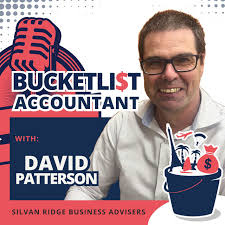
David Patterson
With more than three decades of experience helping business owners grow profitable, sustainable businesses, he focuses on one simple idea: Your business should give you a life, not take one away.
David works with small business owners who are doing okay but feel stretched, time-poor, or stuck. He helps them regain control of their numbers, build stronger systems, and create the financial freedom to start ticking off the things that matter most, now... not "someday".
He is the creator of the Bucket List Business Program, host of The Bucket List Accountant Podcast, and a passionate believer that success isn’t measured by revenue alone, it’s measured by the life your business allows you to live.
Disclaimer
“The information on this website is general in nature and is provided for information purposes only. It is not legal, financial or professional advice. You should obtain specific, independent advice relevant to your circumstances.”