

Corporate Gains Tax in Australia: A Simple Guide for Small Business Owners
Selling a business asset? Our simple guide to corporate gains tax in Australia demystifies CGT and shows you how to use concessions to reduce your tax bill.

Does the thought of selling a business asset fill you with a mix of excitement and dread? You see the potential for growth, for funding that next big dream, but then the confusion sets in. Terms like 'CGT event' and 'active asset' feel like a foreign language, and the fear of a huge, unexpected tax bill can be paralysing. For many business owners, the official information on corporate gains tax is intimidating and disconnected from the real-world goals you're working so hard to achieve.
We're here to change that. This guide is designed to be different. We believe that understanding tax is not just about compliance; it's about empowerment. It’s the key to making strategic decisions that move you closer to ticking things off your bucket list. We'll demystify Capital Gains Tax for your company in simple terms, showing you legitimate ways to manage it strategically. By the end, you'll feel confident turning your business success into fuel for your biggest life goals, whether that’s expansion, a dream retirement, or the freedom to chase your next adventure.
Key Takeaways
- While often called corporate gains tax, understanding Australia's correct term-Capital Gains Tax (CGT)-is your first step toward mastering the rules and reducing your tax bill.
- Discover the four powerful small business CGT concessions that can significantly reduce, or even completely eliminate, the tax payable when you sell a business asset.
- Gain the confidence to calculate your company's capital gain with our simple, jargon-free walkthrough, putting you in control of your financial position.
- Learn to transform CGT from a compliance headache into a strategic tool that accelerates your financial freedom and helps you start ticking items off your bucket list.
First, Let's Clarify: Is It 'Corporate Gains Tax' or 'Capital Gains Tax'?
Are you getting ready for the next big step in your journey-selling your business to fund your bucket list? Many business owners start by searching for terms like corporate gains tax, a common query when looking into the sale of a company. It’s a logical place to start, but in Australia, the official term you need to know is Capital Gains Tax, or CGT.
Understanding this distinction is the first step toward a successful sale. CGT isn’t a separate tax bill that arrives in the mail. Instead, any net capital gain your company makes is simply included in its assessable income for the year and taxed at the relevant company tax rate. This principle applies whether your business is structured as a company, a trust, or even if you’re a sole trader.
What is a 'Capital Asset' in Your Business?
So, what exactly triggers a CGT event? It happens when you sell a 'capital asset'. Think of these as the major, long-term building blocks of your business-the items you own to help you generate income, not the products you sell every day.
Clear examples of capital assets include:
- The land and buildings your business operates from
- Key machinery, vehicles, or specialised equipment
- Shares your company owns in another entity
- Intangible assets like goodwill, patents, or trademarks
It’s vital to distinguish these from your trading stock. If you run a retail store, the shop fittings are a capital asset, but the clothes on the racks are trading stock. Profit from selling stock is just normal business income, not a capital gain.
How is CGT Different for a Company vs. an Individual?
This is where smart planning becomes your superpower on the path to financial freedom. The single biggest difference is that companies are not eligible for the 50% CGT discount that individuals and trusts can often claim on assets held for over 12 months.
Instead, your company pays tax on the full capital gain. While that might sound daunting, the rules around Capital Gains Tax in Australia provide a powerful silver lining. The real opportunity for unlocking the wealth from your hard work lies in the small business CGT concessions. Getting this right is the key to maximising the funds you have for chasing those epic dreams, and we'll explore exactly how in the sections to come.
What is a 'CGT Event'? Key Triggers for Business Owners
In your journey as a business owner, you’ll hear accountants talk about a ‘CGT Event’. It sounds technical, but it’s simply the specific moment in time when you make a capital gain or a capital loss. Think of it as the starting pistol for calculating any tax you might owe. Understanding these triggers is the first step towards smart planning, ensuring your hard-earned money funds your dreams, not an unexpected tax bill. The Australian government provides a helpful overview of what triggers Capital gains tax for business, but let's focus on the events you're most likely to encounter.
Selling a Business Asset
This is the most common CGT event. Imagine you sell a delivery vehicle or a piece of machinery you’ve used for years. The moment that sale is finalised, a CGT event has occurred. You must now compare the sale price to its original cost and associated expenses (the ‘cost base’). This is why keeping meticulous records from the day you buy an asset isn't just about compliance; it’s about protecting the value you’ve built so you can accurately calculate your position.
Selling the Business Itself
For many owners, this is the ultimate goal-the event that unlocks the freedom to start ticking things off the bucket list. Selling your business typically happens in one of two ways: you either sell your shares in the company, or the company sells its assets (like its client list, equipment, and goodwill) to a buyer. Both are significant CGT events that require careful planning to manage the resulting corporate gains tax and maximise the funds you walk away with. This is more than a transaction; it's a life-changing moment that deserves a strategic approach.
Receiving a Payout or Compensation
A CGT event isn’t always about a sale. If a vital business asset is destroyed in a fire or flood and you receive an insurance payout, this is also a CGT event. If the compensation you receive is more than the asset's original cost base, you have made a capital gain. The good news is that there are often provisions, like rollovers, that can allow you to defer the tax if you use the funds to replace the asset, helping you get back on your feet without an immediate tax burden.
The Good News: How to Reduce CGT with Small Business Concessions
After pouring years of passion and hard work into building your business, selling it should be a moment of triumph-the start of your next great adventure. It's a reward for your dedication, and thankfully, the Australian government agrees. The tax system isn't just about collecting revenue; it also includes powerful incentives designed to help you keep more of your hard-earned money.
These incentives are known as the four small business CGT concessions. They are your most powerful tools for managing the final corporate gains tax on your business sale, and when used correctly, they can dramatically reduce-or even completely eliminate-your tax bill. To be eligible, you generally need to be a small business with an aggregated turnover of less than A$2 million or have net assets of no more than A$6 million. Think of these as your ticket to funding that dream retirement or next big project.
The 15-Year Exemption: Tax-Free Retirement
This is the ultimate goal for many long-term business owners. Imagine selling the business you’ve nurtured for over a decade and paying zero capital gains tax. If you've owned your business asset for 15 years or more, are over 55, and are selling it in connection with your retirement, this concession can make that a reality. It’s the perfect way to ensure your legacy directly funds your bucket list, not the tax office.
The 50% Active Asset Reduction
This is one of the most straightforward and immediate ways to slash your tax bill. If you don't qualify for the 15-year exemption, you can instantly reduce your capital gain by 50%. This applies to 'active assets'-those used in the day-to-day running of your business, like your premises, equipment, or goodwill. For example, if your sale results in a A$400,000 capital gain, this concession immediately cuts your taxable amount to just A$200,000.
The Retirement Exemption & Rollover Concessions
These two concessions offer fantastic flexibility for your future plans. The retirement exemption allows you to exempt capital gains up to a lifetime limit of A$500,000. The best part? You don’t actually have to be retiring. If you're under 55, you can contribute the exempt amount into your superannuation fund, turbo-charging your nest egg. Alternatively, the rollover concession lets you defer your corporate gains tax by 'rolling over' the gain into a replacement business asset, giving you time to plan your next move. Feeling overwhelmed? Let's create a clear tax strategy for you.
Calculating Your Company's Capital Gain: A Simple Walkthrough
Thinking about tax calculations can feel like a roadblock on the journey to your next big goal. But what if you saw it differently? Understanding how to calculate your capital gain isn't just about compliance; it's about knowing exactly what you've earned from your hard work so you can confidently plan the next chapter of your bucket list.
Let's break down the calculation without the complicated jargon. This is where keeping meticulous records throughout your business journey truly pays off, turning a potential headache into a clear path forward.
Step 1: Determine Your Capital Proceeds
This is the simplest part of the equation. Your 'capital proceeds' is the total amount you received from the sale of the asset. While this is usually the sale price, it can sometimes include other forms of compensation. For our walkthrough, let's imagine your small business sold its office space.
Example: Your company sells its office for A$800,000. Your capital proceeds are A$800,000.
Step 2: Calculate the Asset's Cost Base
The 'cost base' is far more than just what you paid for the asset. It includes all the costs associated with acquiring, holding, and improving it. A higher, well-documented cost base is your best friend because it directly reduces your taxable gain. This is why good bookkeeping is non-negotiable for dream-chasers!
Your cost base can include:
- The original purchase price (e.g., A$500,000)
- Stamp duty on the purchase (e.g., A$25,000)
- Legal and conveyancing fees (e.g., A$10,000)
- Costs of major improvements, like a new fit-out (e.g., A$50,000)
Example: A$500,000 + A$25,000 + A$10,000 + A$50,000 = a total cost base of A$585,000.
Step 3: Calculate the Net Capital Gain
Now, we just put the pieces together. The basic formula is simply your Capital Proceeds minus your Cost Base. This gives you your gross capital gain, which is the starting point for determining your corporate gains tax liability.
Example: A$800,000 (Capital Proceeds) - A$585,000 (Cost Base) = A$215,000 (Capital Gain).
This A$215,000 is then added to your company's assessable income for the year and taxed at the relevant company tax rate. It's important to remember that small businesses may be eligible for significant CGT concessions that can reduce this final figure. Navigating these concessions is key to maximising the capital you free up for your life's passions. If you're ready to ensure your business sale fuels your dreams, not just the tax office, let's talk about a strategy.
Beyond Compliance: Strategic CGT Planning for Your Bucket List
You've poured your heart, soul, and countless hours into building your business. The sale isn't just a transaction; it's the culmination of that journey and the launchpad for your next chapter. This is where we shift our focus from the rules of Capital Gains Tax (CGT) to the strategy. It’s time to stop thinking about tax as a compliance chore and start seeing it as a powerful tool to fund the life you've always dreamed of.
Proactive planning is the key that unlocks the maximum value from your sale, ensuring the funds go towards your bucket list, not just the ATO. This is about making your hard work count for your future.
Timing is Everything: When to Sell
The date you sign the contract can have a massive impact on your tax outcome. For instance, holding your business for over 15 years could make you eligible for a complete CGT exemption under the small business concessions. Strategically choosing to sell in a financial year where your other income is lower can also significantly reduce the tax you pay, leaving more in your pocket for that round-the-world trip or dream holiday home.
Structuring Your Business and Assets for Success
How your business is structured-as a company, a trust, or a sole tradership-profoundly affects your final corporate gains tax liability. The right structure, decided upon years in advance, can open the door to valuable concessions and tax-effective distribution strategies. This isn’t a quick fix you can apply a month before the sale; it’s a foundational decision that requires foresight and a clear vision for your eventual exit.
Getting Advice Before You Act
The single biggest mistake we see is business owners seeking advice after a deal is done. At that point, the opportunities are lost. Viewing professional tax strategy as an investment, not a cost, is the mindset that protects your legacy. A well-crafted plan ensures your life’s work translates into genuine financial freedom, ready to fuel your passions and goals. Are you ready to make your exit strategy the beginning of your dream life? Let's align your business assets with your life goals.
Turn Your Tax Strategy Into Your Biggest Asset
Understanding Capital Gains Tax in Australia is more than a compliance task-it's a strategic opportunity. As we've covered, knowing what triggers a CGT event and how to leverage the powerful small business concessions can fundamentally change your financial outcome. It’s the difference between simply paying tax and keeping what you've rightfully earned to fund your dreams.
But mastering the rules of corporate gains tax is just the beginning. The real goal is to build a business that serves your life, not the other way around. At The Bucket List Accountant, we take a proactive approach, looking beyond the numbers on your tax return to the items on your bucket list. With over 30 years of experience, our mission is to help you build a legacy and live a life without regrets.
Ready to build a tax strategy that serves your life's goals? Book a chat with us.
Your next adventure is waiting.
Frequently Asked Questions About Capital Gains Tax
What records do I need to keep for Capital Gains Tax purposes?
Keeping clear records isn't just about compliance; it's about being ready for the next chapter of your journey. You must hold onto key documents for at least five years after the sale. This includes the original purchase and sale contracts, receipts for any capital improvements, and records of associated costs like legal fees. This ensures your CGT calculation is accurate, letting you move forward with clarity and confidence on your next big adventure.
Do I pay CGT if my company makes a loss on selling an asset?
No, you won't pay Capital Gains Tax if the sale results in a loss. Instead, this is known as a 'capital loss.' While it's not the outcome you hoped for, it's not a dead end. This capital loss can be a valuable tool, as you can use it to reduce capital gains you might make on other assets, either in the same year or in future years. It’s about seeing the strategic opportunity in every financial outcome.
Can my company's capital losses be used to offset its business income?
This is a common question, and it's important to get it right for your business's health. In Australia, the rules are specific: a company's capital losses can only be used to reduce its capital gains. They cannot be used to offset regular business income. Understanding this distinction is key to managing your tax obligations effectively and keeping your financial journey on the right track, ensuring there are no surprises down the line.
How does depreciation affect the cost base of a business asset?
Think of depreciation as the value your asset has already provided to your business journey. When you sell an asset, any depreciation you've claimed (known as capital allowances) effectively reduces its cost base for CGT purposes. This means your capital gain might be larger than you first think. Properly tracking this is crucial for an accurate corporate gains tax calculation and ensures you have a clear picture of your financial position before you sell.
When is the Capital Gains Tax actually payable to the ATO?
Planning for your tax obligations is a key step towards financial freedom. Your Capital Gains Tax isn't paid immediately upon sale. Instead, the net capital gain is included in your company's assessable income for the financial year in which the sale occurred. The tax is then payable as part of your annual income tax return lodgement. Knowing this timeline helps you manage your cash flow, so you're ready for what's next on your bucket list.
Does CGT apply to intellectual property like trademarks or patents?
Absolutely. The hard work and creativity you’ve poured into your business have real value, and the ATO sees it that way too. Intellectual property, such as trademarks, patents, and brand names, are considered CGT assets. When you sell these valuable creations, any profit is subject to corporate gains tax. Recognising this helps you understand the true worth of what you've built and plan for a successful and rewarding exit from your business.
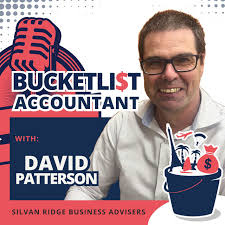
Article by
David Patterson
With more than three decades of experience helping business owners grow profitable, sustainable businesses, he focuses on one simple idea: Your business should give you a life, not take one away.
David works with small business owners who are doing okay but feel stretched, time-poor, or stuck. He helps them regain control of their numbers, build stronger systems, and create the financial freedom to start ticking off the things that matter most, now... not "someday".
He is the creator of the Bucket List Business Program, host of The Bucket List Accountant Podcast, and a passionate believer that success isn’t measured by revenue alone, it’s measured by the life your business allows you to live.
Disclaimer
“The information on this website is general in nature and is provided for information purposes only. It is not legal, financial or professional advice. You should obtain specific, independent advice relevant to your circumstances.”