

Cash Flow Errors: Myth-Busting the Financial Leaks Stalling Your Bucket List
Fix common cash flow errors and stop the profit paradox. Uncover hidden financial leaks to fund your bucket list and reclaim your freedom. Learn how today.

Did you know that 82% of businesses that fail cite cash flow problems as a primary factor? It's a heavy statistic, but it's one we can change together. You might feel that familiar sting of anxiety when your accountant says you've made a profit, yet your bank account feels empty. It's a common "profit paradox" that leaves many owners feeling trapped and unable to enjoy the lifestyle they've worked so hard to build. Identifying and fixing hidden cash flow errors is the first step toward reclaiming your time and your peace of mind.
We understand that staring at financial statements can feel overwhelming, especially with inflation sitting at 4.6% and the upcoming "Payday Super" changes requiring more frequent payments. This article will help you uncover the specific leaks that are quietly stalling your personal dreams. We'll move from confusion to clarity, transforming your business into a supportive engine for your bucket list. You'll discover how to fix these leaks and regain the freedom to take that well-deserved holiday without checking your phone every five minutes.
The information on this website is general in nature and is provided for information purposes only. It is not legal, financial or professional advice. You should obtain specific, independent advice relevant to your circumstances.
Key Takeaways
- Grasp the difference between "paper profit" and actual bank balance so you can stop wondering where your hard-earned money went.
- Spot and resolve the most frequent cash flow errors in your cloud software to ensure your financial data empowers your decision-making.
- Reclaim your weekends by shifting from reactive "fire-fighting" to a proactive strategy that puts you back in the driver's seat of your life.
- Implement a framework designed for the unique needs of Warrnambool businesses, ensuring your professional success fuels your personal journey.
- Transform your relationship with your numbers, using them as a roadmap to achieve the freedom and milestones on your bucket list.
The information on this website is general in nature and is provided for information purposes only. It is not legal, financial or professional advice. You should obtain specific, independent advice relevant to your circumstances.
The Profit Paradox: Why "Making Money" Isn’t the Same as Having Cash
Have you ever looked at your tax return and felt a sudden sense of disbelief? Your accountant tells you that you've had a fantastic year, yet you're still sweating over the next BAS payment. This is the heart of the profit paradox. While net profit is what’s left after you subtract business expenses from your total sales, it doesn't represent the physical dollars sitting in your wallet. Profit is a calculation on a screen; cash is the oxygen that keeps your business alive.
Living in this gap creates a heavy emotional burden. It’s hard to feel like a success when you’re constantly juggling bills or feeling "trapped" by your own growth. This confusion often stems from common cash flow errors that cloud your vision and steal your sleep. When you achieve financial clarity, you aren't just "fixing the books." You're engaging in lifestyle design. You're building a business that finally allows you to tick off those bucket list experiences you've been putting off because you finally know exactly where your money is. If you're looking for a way to measure your current business health, our lifestyle business scorecard can help you see where you stand.
Myth #1: A Profitable P&L Means the Business is Healthy
Many owners rely on their Profit and Loss (P&L) statement as their primary health check. However, most businesses use accrual accounting, which records income when you send the invoice, not when the money actually arrives. If you have thousands of dollars sitting in Accounts Receivable, your P&L looks fantastic, but your bank account is starving. To truly understand where your money is going, you need to master the cash flow statement. It's the only way to see the actual movement of money. As the saying goes, "Profit is an opinion; cash is a fact."
The Role of Working Capital in Business Vitality
Working capital is the money you have available to fund your day-to-day operations. Think of it as the fuel in your tank. For our local Warrnambool community, this is especially critical. Whether you're a retail shop on Liebig Street stocking up for the summer tourist rush or an agri-business managing seasonal shifts, your working capital needs fluctuate constantly. If you don't account for these cycles, you might find yourself with plenty of inventory but zero cash to pay yourself. When you eliminate cash flow errors, you stop being a slave to your bank balance. You start making decisions based on reality, which is the only way to fund that dream trip to the Kimberley or that long-awaited family getaway.
The information on this website is general in nature and is provided for information purposes only. It is not legal, financial or professional advice. You should obtain specific, independent advice relevant to your circumstances.
5 Common Cash Flow Errors That Drain Your Freedom
Cloud accounting software has made managing a business easier than ever, but it’s also created a false sense of security for many DIY owners. When your data is messy, your vision is blurred. These cash flow errors are the silent leaks in your bucket, making it impossible to forecast accurately or make confident decisions. If you don't have a clear picture of your numbers, you can't build a business that supports your lifestyle. Clean data is the foundation of any effective business coaching and strategy plan. Without it, you're just guessing.
Many business owners struggle with the same hurdles. Understanding the underlying causes of cash flow problems is essential to stopping the drain on your time and resources. When you fix these mistakes, you stop reacting to crises and start planning for your next big adventure.
Error #1: Misclassifying Personal Drawings vs. Business Expenses
Are you using your business bank account as a personal ATM? It’s a common habit, but it’s a dangerous one. When you pay for your groceries or a weekend getaway directly from your business account without properly tracking them as drawings, you distort your true business performance. You might think your business is less profitable than it actually is; worse, you might be spending money that should be reinvested. This error costs you the freedom of knowing exactly what you can afford to take out of the business to fund your bucket list. Start by keeping your lifestyle and business accounts strictly separate.
Error #2: Ignoring the Timing of BAS and Superannuation Payments
The "ATO surprise" is a frequent source of stress. It’s easy to look at a healthy bank balance and forget that a significant portion of that cash belongs to the government. With quarterly BAS due dates on 28 February, 28 April, 28 July, and 28 October, the pressure can mount quickly. The shift to "Payday Super" in July 2026 means you’ll also need to manage superannuation contributions more frequently. If you aren't setting aside GST and super in real-time, you’ll likely spend your weekends fire-fighting financial fires instead of relaxing. This lack of planning is one of the most stressful cash flow errors you can make.
Error #3: Over-Investing in Non-Productive Assets
Have you ever bought a new piece of equipment just because your accountant mentioned a tax deduction? While tax minimisation is important, buying assets that don't generate immediate revenue can be a massive cash drain. If that new ute or high-end machinery doesn't help you work more efficiently or increase your sales, it’s just "lifestyle-killing debt." Before making a big purchase, ask yourself if it actually moves you closer to a bucket list milestone or if it just ties you to your desk for another year to pay it off. If you're unsure where your cash is going, a quick review of your strategy can provide the clarity you need.
The information on this website is general in nature and is provided for information purposes only. It is not legal, financial or professional advice. You should obtain specific, independent advice relevant to your circumstances.
The Hidden Cost: How Financial Errors Steal Your Time
"I don't have time to look at the numbers." It's the most common thing I hear from business owners who are running on empty. You're so busy working in the business that working on it feels like a luxury you can't afford. But here's the truth: your lack of time is a direct result of your financial uncertainty. When you haven't addressed underlying cash flow errors, you're forced to spend your precious hours reacting to emergencies. You’re fire-fighting instead of leading. This constant state of high alert leads straight to burnout. It robs you of the energy you need to dream big and actually enjoy the life you're working so hard to build.
As your mentor, I want you to see that financial clarity is the ultimate time-saver. Think about the mental bandwidth you waste wondering if you can afford a new hire or if you'll have enough for the next BAS. That "low-level hum" of anxiety is exhausting. By fixing these errors, you aren't just tidying up a spreadsheet; you're buying back your Saturday mornings and your ability to truly switch off.
From Fire-Fighting to Freedom
Do you start your morning by panic-checking your bank balance? That ritual is a symptom of a business that lacks a clear narrative. Small mistakes in tracking create a fog that makes every decision feel risky. Fixing cash flow errors allows you to move from a place of "hope" to a place of "knowledge." Imagine finishing work on a Friday and actually being present with your family because you know exactly where your cash is and where it's going. You don't need to worry about the "what ifs" when the facts are clear.
Designing a Business That Runs Without You
Visibility is the first step toward effective delegation. If you're the only one who understands the "vibe" of the bank account, you'll always be the bottleneck. You can't hand over responsibility to a team member if the financial foundation is shaky. By implementing a clear strategy and forecasting, you create a roadmap that others can follow. We should be measuring "Freedom" as our primary metric, not just top-line growth. A business that grows but demands more of your time is just a bigger cage. If you're ready to see how your current setup stacks up against your lifestyle goals, you can measure your freedom with our scorecard. It’s a simple way to start shifting your focus from just getting by to truly thriving.
The information on this website is general in nature and is provided for information purposes only. It is not legal, financial or professional advice. You should obtain specific, independent advice relevant to your circumstances.
Building a Resilient Cash Flow Strategy in Warrnambool
Warrnambool has a rhythm all its own. From the summer crowds flocking to the Great Ocean Road to the quiet, misty months of whale-watching season, our local economy doesn't follow a straight line. This means your financial strategy shouldn't either. If you're relying on a big-city firm that doesn't understand our seasonal peaks or the specific needs of our regional agricultural community, you're likely missing the nuance that keeps a local business thriving. Creating a resilient plan isn't about complex math. It's about building a system that protects your peace of mind and your personal ambitions.
I believe professional management should be a tool for a better life. By moving away from the dry, formal approach of traditional accounting, we can focus on what actually matters: your freedom. Fixing persistent cash flow errors requires a shift from being a "doer" to being a "strategist." It's time to stop guessing and start knowing.
Step-by-Step: The Cash Flow Clean-Up
Building a robust system starts with clean data. You can't navigate a journey if your map is blurry.
- Reconcile daily. Use cloud tools like Xero or MYOB to match your transactions every morning. This five-minute habit ensures you're looking at real-time data, preventing the build-up of cash flow errors that lead to poor decision-making.
- Separate your accounts. Keep your lifestyle funds away from your operating expenses. It's the only way to see what the business is actually doing.
- Automate tax set-asides. With the 4.35% cash rate making borrowing expensive in 2026, using your own cash for tax obligations is a must.
- Implement a rolling forecast. A 12-week view helps you see the "icebergs" before you hit them. This is the core of cash flow forecasting for small business Australia.
- Review with a mentor. Don't just file your tax and forget it. Use your numbers to drive your next big move.
Local Considerations for Warrnambool Entrepreneurs
Living in regional Victoria offers a lifestyle second to none, but it requires a specific financial "shock absorber." For those in tourism or retail, the summer rush can be deceptive. It's easy to feel flush in January and forget about the leaner months of July and August. I encourage my clients to build a "Bucket List Buffer." This is an emergency fund specifically designed to cover three months of operating costs plus a little extra to keep your personal goals on track during the quiet times.
When things get tough, local knowledge is your greatest asset. You need a guide who understands the local market shifts and can help you pivot before a dip becomes a crisis. If you're ready to stop fire-fighting and start building for the future, let's chat. You can book a strategy session today to start your clean-up and get back to what you love.
The information on this website is general in nature and is provided for information purposes only. It is not legal, financial or professional advice. You should obtain specific, independent advice relevant to your circumstances.
From Numbers to Narrative: Reclaiming Your Bucket List Life
Your business should be the vehicle that takes you to your destination, not the destination itself. If you've spent too many nights worrying about the bank balance, it’s time to flip the script. By identifying and resolving the cash flow errors that have been holding you back, you're doing more than just balancing books. You're reclaiming your story. You're moving from a state of survival to a state of design, where every financial decision is a deliberate step toward the life you’ve always wanted to lead. You don't have to settle for a business that feels like a burden.
I believe that as your mentor, my role is to help you see the possibilities that lie beyond the spreadsheets. When we clear the fog of financial uncertainty, we make room for your ambitions. This isn't just about accounting; it's about empowerment. It’s about ensuring that the hours you pour into your work translate into the freedom you deserve. Let's move away from the "bean counter" stereotype and toward a partnership that values your well-being as much as your bottom line.
Your Business is a Tool, Not the Destination
Tax strategies and compliance are often viewed as dry necessities. I see them differently. They are the solid foundation upon which you build your dreams. When your business is healthy and your cash flow is predictable, you gain the confidence to invest in yourself and your family. There is a unique satisfaction in ticking off a bucket list item, whether it's a month-long trek through Europe or simply having the peace of mind to attend every one of your kids' school events. We don’t just count the beans; we help you plant the garden of your dreams. A truly successful business should provide:
- The financial resources to fund your personal milestones.
- The time freedom to be present with the people you love.
- The mental space to innovate and grow without constant stress.
Take the Next Step Toward Freedom
Don't let another year slip by in a cycle of "just getting by." You've worked too hard to feel trapped by your own success. The transition from being overwhelmed to being empowered starts with a single, confident decision. I invite you to see what’s possible when your professional management aligns with your personal purpose. It's time to stop letting cash flow errors stall your progress and start building a business that actually supports your lifestyle.
Start by taking the Bucket List Scorecard to get an honest look at where your business stands today. It's a quick way to identify the gaps between your current reality and your ultimate goals. Once you have your results, let's sit down and map out a plan. Our strategy sessions in Warrnambool are designed to give you the clarity and confidence you need to stop fire-fighting and start living. Book your strategy session and start designing your life today. Your bucket list is waiting.
The information on this website is general in nature and is provided for information purposes only. It is not legal, financial or professional advice. You should obtain specific, independent advice relevant to your circumstances.
Start Your Journey Toward Financial Freedom Today
You've seen how the profit paradox can leave you feeling stuck and how common cash flow errors act as silent thieves of your time and dreams. By moving from reactive fire-fighting to a proactive strategy, you aren't just tidying your accounts; you're building a foundation for the life you've always imagined. With decades of experience supporting business owners across regional Victoria, I've developed the Bucket List Blueprint to help you bridge the gap between business success and personal fulfillment. Our holistic approach ensures that every tax strategy and forecast serves your long-term ambitions and your family's well-being.
Don't let your numbers remain a source of anxiety. It's time to transform them into a narrative of achievement. You have the power to design a business that supports your soul and gives you the freedom to explore. Let's start marking those milestones off your list together. Ready to fix your cash flow and start ticking off your bucket list? Book a session today! You've worked hard for your success; it’s time to make sure that success works for you.
The information on this website is general in nature and is provided for information purposes only. It is not legal, financial or professional advice. You should obtain specific, independent advice relevant to your circumstances.
Frequently Asked Questions
What is the most common cash flow error for small businesses?
The most frequent mistake is mixing personal and business finances without a clear tracking system. When you use your business account like a personal wallet, you create messy data that hides your actual performance. This habit makes it impossible to see if your business is truly funding your lifestyle or if you're just treading water. Separate your accounts immediately to gain the clarity needed for real growth.
How can I have a profit but no cash in the bank?
You can show a profit on paper while having an empty bank account because of timing differences in accrual accounting. Profit is recorded when you send an invoice, but cash only arrives when the client pays. If your accounts receivable are high or you've just stocked up on inventory, your cash is tied up elsewhere. Understanding this gap is vital to avoiding common cash flow errors that stall your progress.
Is cash flow forecasting really necessary for a small Warrnambool business?
Yes, forecasting is essential for local businesses to navigate our unique seasonal shifts. Whether you're managing the summer tourism peak or the quieter winter months, a rolling 12-week plan helps you anticipate lean periods before they become a crisis. It gives you the confidence to know when you can safely spend on that next bucket list adventure without risking your payroll or local supplier payments.
How do I separate my personal bucket list spending from business expenses?
The simplest way to separate these is to pay yourself a consistent wage or drawings into a dedicated personal lifestyle account. Treat your personal dreams as a non-negotiable expense that the business must fund. By moving a set amount regularly, you protect your business capital while ensuring your personal milestones are always moving forward. Stop guessing what you can afford and start planning for it.
What tools do you recommend for real-time cash flow monitoring in 2026?
In 2026, I recommend using cloud-based platforms like Xero or MYOB paired with dedicated forecasting software. These tools provide real-time data syncs that make monitoring your position effortless. When your bank feeds are reconciled daily, you can spot potential cash flow errors instantly. This tech-forward approach isn't just about compliance; it's about giving you the real-time visibility needed to make bold lifestyle decisions with total confidence.
How often should I review my cash flow statement to avoid errors?
You should reconcile your transactions daily and conduct a deeper review of your cash flow statement at least once a week. Daily check-ins take only minutes but prevent small mistakes from snowballing into major issues. A weekly review allows you to adjust your 12-week forecast based on actual performance. This rhythm keeps you in control and ensures your business remains a supportive mechanism for your life goals.
Can a business coach help with cash flow, or do I need an accountant?
You ideally need a partner who combines technical accounting expertise with strategic business coaching. An accountant ensures your data is accurate and compliant, while a coach helps you use that data to design a better life. My approach integrates both, so your financial decisions are always evaluated against your personal ambitions. Don't settle for a bean counter when you can have a guide for your entire journey.
What happens if I make a mistake on my BAS due to cash flow errors?
Making a mistake on your BAS can lead to ATO penalties or interest charges that further drain your resources. Beyond the financial cost, it creates unnecessary stress and triggers fire-fighting mode. By implementing a solid strategy to catch errors early, you ensure your quarterly obligations are met with ease. This professional discipline protects your time and keeps you focused on your long-term dreams instead of regulatory headaches.
The information on this website is general in nature and is provided for information purposes only. It is not legal, financial or professional advice. You should obtain specific, independent advice relevant to your circumstances.
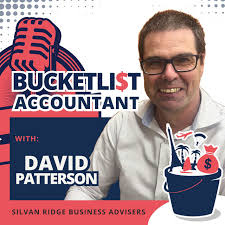
Article by
David Patterson
With more than three decades of experience helping business owners grow profitable, sustainable businesses, he focuses on one simple idea: Your business should give you a life, not take one away.
David works with small business owners who are doing okay but feel stretched, time-poor, or stuck. He helps them regain control of their numbers, build stronger systems, and create the financial freedom to start ticking off the things that matter most, now... not "someday".
He is the creator of the Bucket List Business Program, host of The Bucket List Accountant Podcast, and a passionate believer that success isn’t measured by revenue alone, it’s measured by the life your business allows you to live.
Disclaimer
“The information on this website is general in nature and is provided for information purposes only. It is not legal, financial or professional advice. You should obtain specific, independent advice relevant to your circumstances.”
Profit Margin Analysis: The Entrepreneur’s Guide to Funding Your Bucket List
Learn profit margin analysis to stop being busy and start being profitable. This guide helps entrepreneurs fund their bucket list and build a life of freedom.

What if the reason you aren't currently hiking the Larapinta Trail or enjoying a four-day work week isn't that you aren't making enough revenue, but that you're keeping too little of it? It's a common trap for Australian entrepreneurs to feel like a slave to the grind even when the books look busy. This is where a deep dive into profit margin analysis becomes your most powerful lifestyle design tool. It's not just about accounting; it's about auditing whether your business is actually worthy of your precious time.
I know how exhausting it feels to see high turnover while still struggling with low cash in the bank. You might feel overwhelmed by terms like COGS or operating expenses, wondering where the profit actually goes. I'm here to tell you that financial clarity is within reach. This guide will show you how to analyse your margins to reclaim your time, boost your bank balance, and finally fund those bucket list goals you've been putting off.
We'll explore the three levels of profitability and compare your results against 2026 benchmarks, where the average net profit margin across industries sits at approximately 9% to 10%. We will also look at how to navigate a market where inflation is expected to hover around 2.7%. By the end, you'll have the confidence to drop low-margin services and build a roadmap toward a life of genuine freedom.
The information on this website is general in nature and is provided for information purposes only. It is not legal, financial or professional advice. You should obtain specific, independent advice relevant to your circumstances.
Key Takeaways
- Uncover the difference between being "busy" and being "profitable" so you can stop delaying your long-term life goals.
- Learn how to identify "Margin Vampires", the specific services or customers that eat your time while contributing very little to your bank balance.
- Use profit margin analysis to gain the financial confidence needed to drop low-value work and reclaim your weekends.
- Master the three levels of profitability to better manage overheads, Victorian business costs, and your path to a four-day work week.
- Implement a "Profit First" strategy to ensure your bucket list is funded well before tax obligations take centre stage.
The information on this website is general in nature and is provided for information purposes only. It is not legal, financial or professional advice. You should obtain specific, independent advice relevant to your circumstances.
Why Profit Margin Analysis is the Secret to Your Bucket List
Many Australian business owners are caught in a "busy trap". You see high numbers flowing through your bank account, but when it's time to book that dream trip to the Kimberley or finally upgrade the family car, the cash just isn't there. It's a frustrating cycle where you're working harder than ever for a reward that feels perpetually out of reach. This is why revenue is often called a vanity metric. It looks impressive on paper, but it doesn't tell you if your business is actually healthy or if you're just spinning your wheels.
Sanity, on the other hand, comes from your profit margin. This number represents the actual slice of every dollar that you get to keep after all the bills are paid. When you shift your focus toward profit margin analysis, you stop guessing and start knowing. You begin to see your margin not just as a financial ratio, but as your "Freedom Fund" percentage. Every percentage point you gain is a step closer to reclaimed time and a funded bucket list. Without this clarity, you're essentially working for your business rather than your business working for you.
The Emotional Cost of Ignoring Your Margins
Running a business on "gut feel" is a recipe for constant, low-level anxiety. You might feel like you're winning because you're busy, but without data, you're just a passenger in your own company. The "hustle culture" tells you to just do more, but more of a low-margin service only leads to faster burnout. As we head through 2026, the most successful entrepreneurs are moving away from a basic compliance mindset. They aren't just looking at what they owe the ATO; they're using a strategic lens to ensure their effort equals a tangible life reward. Making data-driven decisions replaces that "sinking feeling" at the end of the month with a sense of calm control.
The Bucket List Connection
What would a 5% increase in your net margin actually look like for your life? For some, it's the confidence to finally move to a four-day work week. For others, it's the literal cash needed to tick off a major life milestone, like a European summer or a house deposit for a child. When you have total financial clarity, you gain the "superpower" of saying no. You can confidently turn away the wrong clients because you know they're the ones who steal your joy and your profit. At The Bucket List Accountant, we believe your numbers should serve your dreams. We help you align these numbers with your dreams, turning dry accounting data into a roadmap for your next big adventure.
The information on this website is general in nature and is provided for information purposes only. It is not legal, financial or professional advice. You should obtain specific, independent advice relevant to your circumstances.
The Three Levels of Profitability Every Business Owner Needs to Know
Understanding your numbers shouldn't feel like a chore; it's the key to unlocking the life you've worked so hard to build. To perform a truly effective profit margin analysis, you need to look beyond a single figure on a spreadsheet. You must understand the three key profit margin ratios that define your business health and your personal freedom. Each level tells a different story about your efficiency, your management, and ultimately, your ability to fund your dreams.
Benchmarking is essential for staying competitive in the current 2026 market. Recent data shows that the average gross profit margin across all industries is approximately 37% to 38%, while the average net profit margin is closer to 9% or 10%. If your numbers are falling below these marks, it's not a sign of failure. Instead, it's a clear call to action to find where your hard earned cash is leaking. By identifying these gaps, you can move from being a busy entrepreneur to a profitable one.
Gross Margin: The Efficiency Test
Your Gross Profit Margin is calculated using the formula: (Revenue - Cost of Goods Sold) / Revenue x 100. This figure measures how efficiently you produce your core services or products before overheads enter the picture. Leaks often happen here through rising supplier costs, inefficient labour, or wasted materials. If this margin is too thin, no amount of sales will ever make the business feel "easy". Gross Margin is the first line of defense against business failure.
Operating Profit Margin takes things a step further by looking at your overheads. For business owners in Victoria, this includes managing local costs like rent, utilities, and WorkCover premiums. It shows how well you manage the daily running of your business before interest and taxes are considered. If your gross margin is high but your operating margin is low, your overheads are likely "margin vampires" that need to be addressed.
Net Margin: The Lifestyle Enabler
The final and most important level is your Net Profit Margin. The formula is simple: (Total Revenue - Total Expenses) / Revenue x 100. This is the ultimate "bottom line" that shows what remains after the ATO takes its share and all obligations are met. This is the money that actually lands in your pocket to fund your personal adventures. You can see how your business currently stacks up by checking your score on our profitability assessment.
Improving your net margin by even a few percent can be the difference between another year of grinding and finally booking that bucket list holiday. If you feel like you're working for the taxman rather than yourself, exploring tailored tax strategies can often reveal hidden margin improvements. Remember, the goal of your business is to serve your life, not the other way around.
The information on this website is general in nature and is provided for information purposes only. It is not legal, financial or professional advice. You should obtain specific, independent advice relevant to your circumstances.
How to Conduct a Profit Margin Analysis: A 5-Step Guide
Performing a profit margin analysis doesn't require a PhD in finance or complex software that takes weeks to learn. It starts with the heart of your business operations: clean, up-to-date data in tools like Xero or MYOB. When your bookkeeping is tidy, these numbers become a window into your future. Let's walk through five simple steps to turn your raw data into a roadmap for your next big life goal.
Step 1: Segmenting Your Revenue Streams
Looking at your total profit often hides the truth. One high-performing service might be subsidising a "margin vampire" that leaves you exhausted. This is where the Pareto Principle comes into play; you'll likely find that 80% of your profit comes from just 20% of your services. By grouping your offerings into categories, you can see exactly which ones are pulling their weight and which ones are keeping you from your four-day work week. Are you making your money from consulting, or is it the smaller, repetitive tasks that actually keep the lights on?
Step 2: Allocating Overheads Accurately
It's easy to track the cost of materials, but many owners forget the "invisible" costs. Think about your rent, insurance, and the most valuable resource of all: your own time. This is where understanding your balance sheet becomes vital to the process. Cloud accounting tools can automate much of this allocation, ensuring every overhead is accounted for so your net margin is a true reflection of reality. Without this step, you're essentially guessing your way through your business growth.
Step 3: Calculating the Ratios
Apply the formulas we discussed earlier for Gross, Operating, and Net margins. This establishes your baseline. It's the "You Are Here" marker on your map toward financial freedom. Once you have these percentages, you can move from a place of uncertainty to a place of strategic power.
Step 4: Benchmarking in Victoria
How do you stack up against other businesses in Warrnambool or across Victoria? While global averages for net profit sit around 9% to 10%, local factors like Victorian payroll tax or regional logistics can shift these numbers. Knowing where you stand locally helps you set realistic, ambitious targets that reflect the Australian market conditions in 2026.
Step 5: Review and Adjust
Don't let your profit margin analysis be an annual EOFY stress-fest. Make it a monthly habit. Spend thirty minutes once a month reviewing these margins. This consistent check-in allows you to pivot quickly, ensuring you stay on track to fund that next bucket list item. Small, regular adjustments are much easier to manage than a total business overhaul once a year.
The information on this website is general in nature and is provided for information purposes only. It is not legal, financial or professional advice. You should obtain specific, independent advice relevant to your circumstances.
Uncovering Hidden Costs: Why High Revenue Doesn’t Always Mean High Freedom
High revenue is a seductive number, but it often acts as a mask for a business that is quietly suffocating. You might be suffering from "Busy Fool" syndrome, where you chase every lead and say yes to every project, only to find your bank balance hasn't moved at the end of the quarter. This happens because high volume often hides the fact that your margin is being eroded by complexity and hidden overheads. Performing a regular profit margin analysis is the only way to see past the smoke and mirrors of your top-line revenue and understand what is actually staying in your pocket.
One of the biggest culprits in this cycle is the "Margin Vampire". These are the customers or specific services that demand 90% of your emotional energy and time but only contribute 10% to your actual profit. In 2026, with inflation expected to sit around 2.7% and Victorian labour costs continuing to climb, you simply cannot afford to carry these drains on your resources. It is time to address the fear that raising prices will drive everyone away. The truth is, if a client only stays because you are the cheapest option, they aren't a loyal partner; they're a liability to your personal freedom.
The Opportunity Cost of Your Time
A common mistake in small business accounting is failing to value the owner's time as a real expense. If you're spending your afternoons on admin tasks that could be handled by a junior staff member, you're effectively lowering the profitability of the entire company. Your time is your most finite resource. Delegating low-margin tasks is the first step to a bucket-list life. By clearing your plate of the "grunt work", you create the space needed to work on the business, rather than being perpetually trapped inside it.
Pricing for Profit, Not for Popularity
Matching the competition is a dangerous race to the bottom that usually ends in burnout. Instead, you must focus on value-based pricing that reflects the specific transformation or result you provide. When you communicate a price increase to loyal clients, frame it around the continued quality and expertise they've come to expect. If you're feeling hesitant about making the leap, using business advisory services in Warrnambool can provide the data-backed validation you need to set your new rates with total confidence.
Are you ready to stop being a "Busy Fool" and start funding your dreams? Book a strategy call today to see how we can uncover your hidden profits together.
The information on this website is general in nature and is provided for information purposes only. It is not legal, financial or professional advice. You should obtain specific, independent advice relevant to your circumstances.
Scaling with Soul: Using Your Analysis to Fund Your Next Life Milestone
Scaling with soul means you aren't just building a bigger company; you're building a bigger life. While many traditional advisors focus on growth to attract investors, we believe the only investor who matters is you. Your profit margin analysis is the compass that ensures every new A$1 of revenue actually serves your personal purpose. It is about making sure that as your business grows, your freedom grows along with it.
One of the most effective ways to protect your dreams is to adopt a "Profit First" mentality. This involves setting aside a percentage of your income for your bucket list goals before you pay your operating expenses. It ensures your hard work results in a tangible reward rather than just a "break-even" result at the end of the month. By setting "Freedom KPIs", such as the number of days you can spend away from the office or the specific dollar amount in your travel fund, you turn your financial data into a tool for lifestyle design.
When you identify margin gains, don't let that extra cash simply vanish into overheads. Reinvest it strategically. Use those funds to implement automation or hire a team member who can handle the tasks you dislike. This is how you reclaim your weekends. To keep these margins healthy as your business evolves, regular strategy sessions are essential. They provide a dedicated space to review your progress and stay aligned with your long-term vision. You deserve a business that supports you, not one that drains you.
From Analysis to Action
Success requires a plan. Start with a 90-day roadmap focused on eliminating your three lowest-margin activities. This might feel scary at first, but it creates the capacity for high-value work that actually funds your life. To stay motivated, implement a "Bucket List Draw". When you hit your margin targets for the quarter, take a specific portion of that profit and put it directly toward your next milestone. This creates a powerful emotional link between your business performance and your personal happiness. You're building a legacy business that can eventually profit without your constant presence.
Your Next Steps to Clarity
You don't have to navigate these numbers alone. Every great explorer has a guide; a mentor who understands the unique landscape of Australian business can help you see the opportunities you might miss. If you're a visual learner, check out our YouTube channel for guides on managing your margins. When you're ready to move from confusion to total confidence, book your strategy session today. Let's turn your business into the engine that powers your dream life.
The information on this website is general in nature and is provided for information purposes only. It is not legal, financial or professional advice. You should obtain specific, independent advice relevant to your circumstances.
Take the First Step Toward Your Dream Life
You now have the framework to look past the top-line numbers and see the true potential of your business. By committing to regular profit margin analysis, you've started the journey from being an exhausted entrepreneur to becoming a purposeful owner of your time. You've learned that revenue alone won't fund your dreams, but a strategic focus on what you keep certainly will. It is time to stop being a passenger in your professional life and start steering toward the milestones that matter most to you.
At The Bucket List Accountant, we've spent decades helping Warrnambool business owners reclaim their time and sanity. Our unique coaching framework intentionally prioritises your personal life goals over mere technical compliance. We combine a deep understanding of Australian tax law with actionable small business strategies to ensure your hard work results in a life well lived. We believe that professional management is a tool for a better life, not just a legal necessity.
Don't let another month slip by feeling like a slave to your spreadsheets. Ready to turn your profit into freedom? Book your Bucket List Strategy Session here. Your future self, and your bucket list, will thank you for the clarity you find today. You have the power to change your trajectory right now.
The information on this website is general in nature and is provided for information purposes only. It is not legal, financial or professional advice. You should obtain specific, independent advice relevant to your circumstances.
Frequently Asked Questions
What is a "good" profit margin for a small business in Australia?
A "good" margin depends on your industry, but aiming for a 10% net profit margin is a healthy benchmark for many Australian small businesses. Retailers often operate on thinner margins of 2% to 6%, while consulting or professional services should aim for 15% to 30%. These figures help you determine if your business is currently capable of funding your personal life goals or if it is simply covering its own costs.
How often should I perform a profit margin analysis?
You should perform a profit margin analysis at least once a month to stay ahead of market shifts. Waiting until the end of the financial year often means it is too late to fix a leak in your cash flow. Regular monthly check-ins allow you to make small, confident pivots that protect your bank balance and keep your bucket list dreams on track for the year ahead.
Can I do profit margin analysis in Xero or MYOB automatically?
Yes, you can automate much of this process by using "Tracking Categories" in Xero or "Job Coding" in MYOB. These features allow you to tag every dollar of income and expense to specific projects or service lines. Once your data is clean, you can run detailed reports that instantly show which parts of your business are your true "freedom enablers" and which ones are draining your time.
What is the difference between markup and profit margin?
Markup is the percentage you add to your cost price to reach a selling price, while profit margin is the percentage of the final sale that you actually keep. Confusing these two is a common trap that leads to underpricing. For example, a 50% markup only results in a 33% profit margin. Understanding this distinction is vital for protecting your personal income and ensuring your business stays viable.
Why is my net profit so low even though my sales are high?
High sales with low profit usually indicates high overheads or "Margin Vampires" that are quietly eating your cash. It could also be the result of "sticky" inflation, which is expected to hover around 2.7% in 2026, putting constant pressure on your costs. If you aren't adjusting your prices to match these rising Victorian business expenses, your net profit will naturally shrink even as your top-line revenue grows.
How do I calculate profit margin for a service-based business vs. a product-based one?
Product-based businesses focus heavily on the Cost of Goods Sold, including shipping and raw materials. In a service-based model, your primary cost is usually labour and the billable hours required to deliver the result. Both models require a profit margin analysis, but service providers must pay closer attention to the "invisible" cost of their own time to ensure they aren't accidentally working for less than minimum wage.
Should I include my own salary in the profit margin calculation?
You absolutely should include a fair market salary for yourself in your calculations. If your business cannot afford to pay you a proper wage and still show a profit, it isn't truly profitable yet. Treating your time as a real expense gives you a clear, honest picture of your business health. It ensures you are building a sustainable company rather than just "buying yourself a job."
What are the first three things I should check if my margins are dropping?
First, check your direct costs to see if suppliers or labour have become more expensive. Second, review your pricing to ensure it hasn't been eroded by inflation or local competition. Third, audit your overheads for any "subscription creep" or unnecessary administrative costs. These three steps often reveal exactly where your freedom fund is leaking, allowing you to take immediate action to reclaim your profitability and your peace of mind.
The information on this website is general in nature and is provided for information purposes only. It is not legal, financial or professional advice. You should obtain specific, independent advice relevant to your circumstances.
Article by
David Patterson
With more than three decades of experience helping business owners grow profitable, sustainable businesses, he focuses on one simple idea: Your business should give you a life, not take one away.
David works with small business owners who are doing okay but feel stretched, time-poor, or stuck. He helps them regain control of their numbers, build stronger systems, and create the financial freedom to start ticking off the things that matter most, now... not "someday".
He is the creator of the Bucket List Business Program, host of The Bucket List Accountant Podcast, and a passionate believer that success isn’t measured by revenue alone, it’s measured by the life your business allows you to live.
Disclaimer
“The information on this website is general in nature and is provided for information purposes only. It is not legal, financial or professional advice. You should obtain specific, independent advice relevant to your circumstances.”