

Budgeting for a New Employee in Victoria: The True Cost of Growth in 2026
Ready to grow? Our guide to budgeting for a new employee in Victoria reveals the true cost beyond salary using the "Rule of 35%." Hire with confidence in 2026!

What if your next hire wasn't just another line on your expense report, but the exact price of finally ticking that bucket-list trip to the Amalfi Coast off your list? It's natural to feel buried under daily tasks while fearing that the true cost of growth might be too high. You're likely worried about ATO compliance or how the 1 July 2026 Payday Super changes will impact your weekly cash flow. If you've been hesitant about budgeting for a new employee in Victoria, it's usually because those "hidden" numbers feel like a moving target.
I've spent years guiding business owners through the transition from being overwhelmed to becoming true leaders of their lives. You deserve a business that serves your personal dreams, not one that demands your presence 24/7. This guide introduces you to the "Rule of 35%," a simple framework to help you understand every dollar-for-dollar cost, from the 12% superannuation guarantee to the 1.80% average WorkCover premium. We'll explore how to accurately forecast these expenses so you can reclaim your freedom and achieve genuine financial peace of mind.
The information on this website is general in nature and is provided for information purposes only. It is not legal, financial or professional advice. You should obtain specific, independent advice relevant to your circumstances.
Key Takeaways
- Understand the "Rule of 35%" to bridge the gap between a base salary and the total investment required for your new team member.
- Gain confidence in budgeting for a new employee in Victoria by accounting for 2026 compliance standards like the 12% superannuation rate.
- Identify hidden onboarding costs like equipment and recruitment fees to ensure your cash flow remains stable during the hiring phase.
- Reframe hiring as a strategic purchase of your own time, allowing you to focus on life's milestones while your business thrives.
- Prepare for a successful 2026 by setting up compliant payroll systems that support your journey toward personal and professional freedom.
What is the "True Cost" of an Employee in Victoria?
Do you ever find yourself staring at your task list, wondering if you'll ever see the bottom of it? It's a common feeling for Victorian business owners who have reached the limits of their own capacity. You know you need help, but that first step of budgeting for a new employee Victoria often feels like standing at the edge of a cliff. It's completely normal to feel a sense of hesitation here. That anxiety isn't a sign of weakness; it's a sign that you care deeply about the stability of your business and the well-being of your future team.
Clarity is the ultimate cure for that fear. To get clear, we use what I call the "Rule of 35%." Many business owners make the mistake of only looking at the base salary, but the real investment is much higher. If you're looking at a $70,000 base salary, the actual cost to your business will sit closer to $94,500. This 35% buffer covers "on-costs," which are the mandatory expenses that keep you compliant and your employees protected. By embracing this figure early, you turn a scary unknown into a manageable, predictable strategy for growth.
Salary vs. Total Employment Cost (TEC)
Base salary is a misleading metric because it only tells half the story of your cash flow. Total Employment Cost (TEC) is the figure that actually determines your ability to fund your personal lifestyle dreams. Understanding the complexities of Australian labour law is essential, but it doesn't have to be a source of stress. When you "gross up" your budget before posting a job ad, you're protecting your profit margins. This ensures that when the time comes to pay wages and super, you're doing so from a place of abundance rather than panic. It's about building a foundation that supports your journey, not one that drains your energy.
The Emotional ROI of Hiring
Hiring is more than just a financial transaction; it's a tool to buy back your life. Imagine what your weekends would look like if you weren't tethered to your laptop. Could you spend more time exploring the coast near Warrnambool or enjoying a long lunch in Geelong? Transitioning from "Self-Employed" to "Business Owner" means creating a system that thrives without you. A well-budgeted team member is the key to reducing founder burnout and finally marking progress on your list of life achievements. When you budget correctly, you aren't just paying for labour; you're investing in your own freedom.
The information on this website is general in nature and is provided for information purposes only. It is not legal, financial or professional advice. You should obtain specific, independent advice relevant to your circumstances.
The Victorian Compliance Checklist: Super, Tax, and Insurance
Moving from a solo operation to a team-based business is an incredible milestone. It's the moment your vision starts to have a life of its own. However, this growth brings a new set of rules that can feel overwhelming if you don't have a clear roadmap. When you're budgeting for a new employee Victoria, compliance isn't just about avoiding a letter from the ATO; it's about protecting the business you've worked so hard to build. Let's break down the mandatory pillars of Victorian employment so you can move forward with total confidence.
Superannuation and the 12% Milestone
The superannuation guarantee rate for the 2026/27 financial year is 12% of an employee's ordinary time earnings. This is a significant milestone for Australian workers, but for you, it means your cash flow forecasting needs to be sharper than ever. From 1 July 2026, the introduction of "Payday Super" means you must pay contributions at the same time as you pay wages. This change is designed to help employees, yet it requires a disciplined weekly or fortnightly rhythm from you. Missing these payments isn't just a compliance headache; it's a barrier to your personal freedom because it invites avoidable penalties and unnecessary stress. If you're feeling unsure about how these numbers fit into your specific vision, checking our frequently asked questions can help clear the fog.
Victorian WorkCover and Payroll Tax
In Victoria, WorkCover insurance is a non-negotiable safety net for your team. While the average premium rate for 2026/27 is 1.80%, your actual cost depends on your industry and claims history. If you're a regional employer, you might also benefit from a significantly lower payroll tax rate of 1.2125% compared to the 4.85% for metro businesses. The annual payroll tax threshold currently sits at $1,000,000. It can be a growth trap because crossing that line suddenly impacts your margins. Implementing smart tax minimisation strategies early on ensures that as your team grows, your profit doesn't shrink. This is how you stay on track for those bucket-list goals.
Don't forget to budget for leave provisions. Annual leave alone represents a 7.7% liability on top of the base salary, and that doesn't include sick leave or public holidays. These accruals can sneak up on you if they aren't tracked. When you're budgeting for a new employee Victoria, treating leave as a real-time expense rather than a future problem is vital. By setting these funds aside as they accrue, you're not just being a responsible boss; you're ensuring that when you finally take that month-long trip to Italy, your business remains financially stable in your absence. Compliance isn't just paperwork. It's a promise to your future self.
The information on this website is general in nature and is provided for information purposes only. It is not legal, financial or professional advice. You should obtain specific, independent advice relevant to your circumstances.
Beyond the Payslip: Equipment, Onboarding, and the Productivity Gap
Growth is exhilarating, but it's rarely as simple as just adding a new name to your payroll software. When budgeting for a new employee Victoria, many business owners forget that a new hire doesn't arrive as a fully functioning profit centre on day one. There is a bridge between the moment they sign their contract and the moment they start helping you buy back your time. Understanding this "investment phase" is what separates those who scale with ease from those who find themselves more stressed than before they hired help.
The Cost of Onboarding and Tech
Before your new team member even sits down, you'll likely face upfront costs that can catch an unprepared budget off guard. In Victoria, providing a safe and productive environment isn't just good practice; it's a requirement for OH&S compliance. This includes high quality hardware like laptops, software licences, and ergonomic office setups. While it's tempting to save a few dollars on second-hand gear, "cheap" equipment often leads to technical frustration that slows down your growth. You should also factor in recruitment fees. If you use an agency, expect to pay between 10% and 15% of the first year's salary as an upfront hit. These are the foundation stones of a successful hire.
The Productivity Valley
Every new hire goes through what I call the "Productivity Valley." For the first 90 days, a new employee is often a net financial loss for the business. They're learning your systems, meeting your clients, and finding their rhythm. During this time, they might only be operating at 25% to 50% capacity. To survive this dip without losing sleep, you need robust cash flow forecasting to ensure your reserves are healthy. By setting realistic KPIs early, you can track exactly when your hire moves from being a cost to being "profit-neutral."
The most overlooked expense in budgeting for a new employee Victoria is actually your own time. Every hour you spend training, reviewing work, or answering questions is an hour you aren't spending on revenue-generating tasks or your own bucket-list goals. If you usually charge $200 an hour and you spend ten hours a week training, that's a $2,000 weekly "hidden" cost. Acknowledging this reality allows you to plan your schedule with intention. It's a short-term sacrifice for a long-term gain: a business that eventually runs itself while you're off enjoying that well-earned break.
The information on this website is general in nature and is provided for information purposes only. It is not legal, financial or professional advice. You should obtain specific, independent advice relevant to your circumstances.
Budgeting for Freedom: How a New Hire Funds Your Bucket List
Have you ever stopped to calculate what an hour of your life is actually worth? Most business owners view hiring as a drain on their bank account, but I want you to reframe it entirely. When you are budgeting for a new employee Victoria, you aren't just paying for a set of hands. You're purchasing the hours you need to finally book that month-long trip to Italy or spend quiet Friday afternoons with your family. If a new team member saves you 20 hours a week, they aren't a mere expense. They are the engine that powers your personal freedom and your ability to live a life without regret.
Buying Back Your Time
The math of delegation is surprisingly simple once you face the numbers with honesty. If your expertise generates $200 per hour, but you're spending your day on administrative tasks that could be handled by someone else for $45 per hour, you are effectively losing $155 for every hour you don't delegate. That is a high price for a 'do it myself' attitude. By using profit margin analysis, you can see exactly how a new hire creates the space for you to focus on high-value strategy. Start by identifying the repetitive tasks that drain your energy and offload them first for the biggest lifestyle impact. This isn't just about efficiency; it's about reclaiming your purpose.
Sustainable Growth vs. Burnout
When you're budgeting for a new employee Victoria, remember that waiting until you're at breaking point is a recipe for burnout and costly mistakes. Hiring slightly "too early" is often the safer bet because it allows you to train your new team member while you still have the mental capacity to lead. This proactive approach is how you build a legacy business. It's about designing a company that doesn't require your constant presence to stay profitable. This shift is the first step toward long-term business exit planning, where your business becomes a valuable asset rather than a demanding job. If you're ready to design a lifestyle that finally puts your dreams first, let's start your business strategy journey today and make those bucket-list items a reality.
The information on this website is general in nature and is provided for information purposes only. It is not legal, financial or professional advice. You should obtain specific, independent advice relevant to your circumstances.
Next Steps: Navigating the Victorian Hiring Journey
Taking the leap from being a solo operator to leading a team is one of the most courageous decisions you'll ever make. You've done the hard work of looking at the numbers, understanding the Rule of 35%, and preparing for the "Productivity Valley." Now, it's time to move from theory into purposeful action. This final stage isn't just about paperwork; it's about building the infrastructure that allows you to step away from the daily grind and move toward those long-held ambitions. When budgeting for a new employee Victoria, your final step is ensuring your internal systems are as robust as your vision for the future.
Before you post that job advertisement, conduct a final "Financial Health Check." This involves looking at your last 12 months of profit and loss statements alongside your 2026 cash flow forecasts. You want to be certain that your business can sustain the new hire even during a quiet month. Creating a 12-month roadmap for your new team member is also vital. What will they achieve in their first 90 days? When will they take over the tasks that currently keep you awake at night? Having this plan in place turns a "new expense" into a strategic asset that consistently buys back your time.
Setting Up Your Payroll Engine
The payroll landscape in 2026 requires more than just a simple spreadsheet. With the introduction of Payday Super, you need cloud accounting software that handles real-time reporting with total ease. Automating your superannuation and tax withholdings doesn't just save you hours of administrative work; it gives you the peace of mind that your compliance is handled. Proper small business accounting acts as the heartbeat of your operations. It ensures your team is paid correctly and on time, which is the fastest way to build trust with a new hire. When your engine is running smoothly, you can focus on leading your team instead of getting bogged down in the mechanics of pay cycles.
Work With a Mentor Who Gets It
You don't have to navigate this transition alone. At The Bucket List Accountant, we specialise in helping businesses in Warrnambool and across Victoria scale safely while protecting their personal freedom. We believe that professional management should be a tool for a better life, not just a legal obligation. Whether you need a strategy session to refine your budgeting for a new employee Victoria or a comprehensive tax strategy, we're here to be your guide. Are you curious about where your business stands today? Take our Bucket List Scorecard to discover your strengths and identify where you can create more space for your dreams. Let's work together to turn your business into a vehicle that funds your ultimate lifestyle. Your journey to freedom starts with a single, confident step.
The information on this website is general in nature and is provided for information purposes only. It is not legal, financial or professional advice. You should obtain specific, independent advice relevant to your circumstances.
Design Your Future with Confidence
You've taken the first step toward a business that serves your life rather than consumes it. By mastering the "Rule of 35%" and looking beyond the base salary, you now have a clear roadmap for budgeting for a new employee Victoria. Remember that growth isn't just about spreadsheets; it's about creating the space to finally mark those items off your bucket list. Whether it's ensuring 2026 compliance or navigating the productivity gap, you have the knowledge to move forward without fear.
At The Bucket List Accountant, we bring decades of Victorian accounting experience to help you scale safely. As specialists in small business lifestyle design, we provide Warrnambool-based local support that understands your specific journey. You don't have to walk this path alone. Ready to grow? Book a strategy session to map out your hiring budget today. Your journey toward freedom is waiting for you to take the lead. Take that next step with confidence; your future self will thank you for it.
The information on this website is general in nature and is provided for information purposes only. It is not legal, financial or professional advice. You should obtain specific, independent advice relevant to your circumstances.
Frequently Asked Questions
What is the current superannuation rate in Australia for 2026?
The superannuation guarantee rate for the 2026/27 financial year is 12% of an employee's ordinary time earnings. This is a significant milestone for your team's future security and your business compliance. You should also prepare for the "Payday Super" transition starting 1 July 2026. This requires you to pay super contributions at the same time as wages, so adjusting your weekly cash flow rhythm early is a smart move for your peace of mind.
Does a new employee cost 35% more than their salary in Victoria?
Yes, the "Rule of 35%" is a reliable benchmark when budgeting for a new employee Victoria to account for mandatory on-costs. While a base salary is the most visible number, you must factor in super, WorkCover, annual leave, and recruitment fees. Budgeting with this buffer prevents financial stress and protects your personal freedom. It ensures that growth doesn't come at the expense of your well-being or your ability to fund your bucket list dreams.
Do I have to pay payroll tax for my first employee in Victoria?
You generally won't pay payroll tax for your first employee in Victoria unless your total annual Australian wages exceed the $1,000,000 threshold. For most small businesses, this provides a comfortable runway to grow your team. However, it's vital to monitor your growth closely as you expand. Once you cross that $83,333 monthly limit, the tax applies at 4.85% for metro businesses or a lower 1.2125% for regional Victorian employers.
How much should I budget for WorkCover insurance in Victoria?
You should budget approximately 1.80% of the employee's total remuneration for WorkCover insurance in Victoria, as this is the average premium rate for 2026/27. Your specific rate will depend on your industry risk and claims history. It's a non-negotiable safety net that protects both your staff and your business assets. Setting this aside early ensures you're protected while you focus on the bigger picture of scaling your business and reclaiming your time.
What are the hidden costs of hiring a new employee?
The hidden costs often include recruitment fees, technology setup, and the "productivity gap" while your new hire learns your specific systems. When budgeting for a new employee Victoria, don't forget the cost of your own time spent training. You might pay 10-15% of a salary in agency fees plus several thousand dollars for hardware and software licences. Accounting for these extras prevents cash flow surprises that could delay your personal milestones.
Is it better to hire a contractor or an employee for a small business?
Hiring an employee is usually better if you're looking to build a long-term culture and a business that eventually runs without you. While contractors offer flexibility for short-term projects, employees are the ones who help you buy back your weekends. Focus on your long-term vision; if your goal is a month in Italy, a dedicated employee who truly understands your mission is often the most sustainable path to achieving that freedom.
How do I calculate the break-even point for a new hire?
To find the break-even point, divide the Total Employment Cost (TEC) by your gross profit margin percentage. This calculation tells you exactly how much additional revenue the new hire needs to generate to cover their own costs. Knowing this number kills the fear of hiring. It transforms a daunting decision into a clear, actionable plan that supports both your professional growth and your journey toward achieving your life's greatest ambitions.
The information on this website is general in nature and is provided for information purposes only. It is not legal, financial or professional advice. You should obtain specific, independent advice relevant to your circumstances.
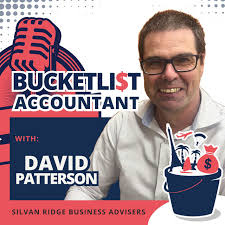
Article by
David Patterson
With more than three decades of experience helping business owners grow profitable, sustainable businesses, he focuses on one simple idea: Your business should give you a life, not take one away.
David works with small business owners who are doing okay but feel stretched, time-poor, or stuck. He helps them regain control of their numbers, build stronger systems, and create the financial freedom to start ticking off the things that matter most, now... not "someday".
He is the creator of the Bucket List Business Program, host of The Bucket List Accountant Podcast, and a passionate believer that success isn’t measured by revenue alone, it’s measured by the life your business allows you to live.
Disclaimer
“The information on this website is general in nature and is provided for information purposes only. It is not legal, financial or professional advice. You should obtain specific, independent advice relevant to your circumstances.”
Strategic Planning for Small Business in Victoria: A Lifestyle-First Guide
Tired of your business owning you? Our guide to strategic planning for small business Victoria helps you build a roadmap that funds your lifestyle, not just ...

What if your 2026 business plan was actually a map to your next overseas holiday instead of just a list of financial targets? Most business owners in Melbourne and regional Victoria feel like they're chained to the desk, carrying the weight of every single decision while trying to keep up with shifting regulations like the upcoming Payday Super mandate. You likely started your company to gain freedom, but lately, it feels like the business owns you. Effective strategic planning for small business Victoria shouldn't just be about surviving the next state budget; it should be about building a legacy that supports your life's biggest ambitions.
I'm here to show you that profit and personal fulfillment aren't at odds. In this guide, we'll explore how to align your Victorian business strategy with your personal bucket list, ensuring you have the financial clarity and systems in place to step back without the business stalling. We'll walk through the essential steps to create a 2026 roadmap that tackles burnout, simplifies tax strategies, and turns your professional success into the engine that powers your dream lifestyle.
The information on this website is general in nature and is provided for information purposes only. It is not legal, financial or professional advice. You should obtain specific, independent advice relevant to your circumstances.
Key Takeaways
- Learn how to transform your business from a demanding daily grind into a high-performing engine that funds your personal bucket list.
- Discover a lifestyle-first framework for strategic planning for small business Victoria that aligns your 2026 profit targets with your family and travel goals.
- Understand how local economic shifts and Victorian tax regulations impact your long-term roadmap for growth and succession.
- Follow five actionable steps to transition from being the sole decision-maker to an empowered, lifestyle-first CEO who works on the business, not just in it.
The information on this website is general in nature and is provided for information purposes only. It is not legal, financial or professional advice. You should obtain specific, independent advice relevant to your circumstances.
Beyond the SWOT: What Strategic Planning for Small Business in Victoria Really Means
Many Victorian owners view a business plan as a box to tick for the bank or a dusty document that sits in a drawer. But true strategic planning for small business Victoria is far more than a dry SWOT analysis or a list of five-year financial projections. It is a living, breathing roadmap designed to secure your future freedom. To understand what strategic planning really means, we have to look at it through the lens of your personal ambitions. In 2026, the Victorian economic climate is complex. While the state budget shows a surplus of A$727 million, the Victorian Chamber of Commerce warned on May 5, 2026, that our local economy is underperforming. In this environment, a "Lifestyle Enabler" business model isn't just a nice idea; it's a necessity. This model treats your company as the engine that funds your bucket list, rather than a master that dictates your schedule.
Tactical vs. Strategic Thinking
Most owners spend their days putting out fires. This is tactical thinking, the exhausting work of an operator who is always "on." To move forward, you must shift into the role of a visionary CEO. This transition requires deep financial clarity. When you understand your cash flow forecasting and tax strategies, you gain the confidence to make brave decisions. You stop reacting to the market and start shaping your own path. If you're curious about how your current operations stack up, taking a business health check can help you identify exactly where you are on the path from operator to visionary.
Why Traditional Accounting Isn’t Enough
Traditional accounting is often like looking in the rearview mirror. It tells you where you’ve been and how much tax you owe for the past year. While compliance is vital, it doesn't help you design your decade. Effective strategic planning for small business Victoria moves you away from "surviving the EOFY" and toward "designing your life." A strategic business mentor doesn't just record history; they help you reverse-engineer your profit targets based on what your dream life actually costs. It’s the difference between merely staying afloat and intentionally building a legacy that allows you to travel, rest, and enjoy the fruits of your labor without the constant anxiety of what comes next.
The information on this website is general in nature and is provided for information purposes only. It is not legal, financial or professional advice. You should obtain specific, independent advice relevant to your circumstances.
The Lifestyle-First Framework: Turning Your Business into a Bucket List Machine
Your business should be the vehicle that takes you to your destination, not the destination itself. Many owners in Melbourne and regional hubs like Geelong or Bendigo find themselves working sixty-hour weeks just to keep the lights on, losing sight of why they started in the first place. The Lifestyle-First Framework flips the script. Instead of fitting your life around your work, we design your business to fund your personal bucket list. This starts by identifying your non-negotiables. Whether it is a permanent four-day work week, attending every one of your children's sports games, or taking a six-week annual holiday, these goals must be the foundation of your strategy.
Strategic planning for small business Victoria becomes far more motivating when you reverse-engineer your financial targets. Rather than picking a random revenue goal, we look at the actual Australian Dollar costs of your dreams. If a luxury family holiday to the Great Barrier Reef costs A$18,000, that figure becomes a specific target within your business strategy. This approach creates a purposeful connection between your daily professional decisions and your personal empowerment. Every tax minimisation strategy or cash flow adjustment is no longer just a chore; it's a step closer to a tangible life achievement.
Defining Your Personal "Why"
What are you actually working for? It's a vital question that requires honest self-reflection. To move forward with confidence, you need to know exactly where you are starting from. You can use the Bucket List Scorecard to find your starting point and see how well your current operations support your life goals. This tool helps you turn vague aspirations into concrete, measurable business objectives. When your personal "why" is clearly defined, you can build your strategic roadmap with a sense of excitement rather than dread.
Designing for Freedom and Resilience
True success is measured by the "Freedom Metric," which tracks how long your business can run profitably without your direct presence. To improve this, you must identify the bottlenecks that keep you chained to the office. Reclaiming your weekends isn't about working harder; it's about better delegation and smarter systems. We focus on setting KPIs that measure your well-being and freedom just as strictly as your monthly turnover. If you feel like the business couldn't survive a week without you, it's time to explore a strategy that puts your lifestyle first.
The information on this website is general in nature and is provided for information purposes only. It is not legal, financial or professional advice. You should obtain specific, independent advice relevant to your circumstances.
Navigating the Victorian Landscape: Local Strategic Factors in 2026
Operating a business in Warrnambool or across the Western District requires more than just a good product; it requires an understanding of the unique local forces at play. While the 2026 Victorian State Budget highlights a surplus of A$727 million, regional owners must look closer at the A$28.1 million allocated specifically for regional productivity and liveability. These funds signal a shift in how our local communities are growing. Right now, strategic planning for small business Victoria must account for these regional economic shifts. Whether you are navigating the A$1 million payroll tax-free threshold that came into effect on 1 July 2025 or managing the impact of Victorian land tax on your commercial footprint, your strategy needs to be as local as your customer base. Choosing an advisory team with deep roots in the Western District ensures your roadmap isn't just a generic template, but a plan built for the reality of our regional market.
Succession Planning for Victorian Family Businesses
Passing the torch to the next generation is often the most emotional milestone an owner will face. It's not just a financial transaction; it's the transfer of a legacy. A common pitfall in Victoria is failing to align the retiring generation's "bucket list" costs with the business's actual cash flow. If the business can't fund your retirement dreams while remaining healthy for your children, the strategy is incomplete. We focus on balancing these emotional needs with tax-effective structures, ensuring the transition is a celebration of achievement rather than a source of family tension. If you have questions about how these structures work, our frequently asked questions cover many of the essentials for Victorian owners.
Regional Resilience as a Strategy
In regional Victoria, volatility can come from seasonal shifts or changes in major local industries. Moving beyond reactive crisis management means building proactive financial hedging into your plan. A robust strategic plan acts as a buffer, allowing you to stay steady when conditions fluctuate. By integrating local community values into your long-term vision, you build a brand that is resilient and trusted. You can find excellent templates to start this process in the Victorian government's guide to business planning, which provides a solid foundation for regional growth. When your business is resilient, you gain the peace of mind to focus on what matters most: your family, your health, and your future adventures.
The information on this website is general in nature and is provided for information purposes only. It is not legal, financial or professional advice. You should obtain specific, independent advice relevant to your circumstances.
5 Actionable Steps to Build Your 2026 Strategic Roadmap
Most business plans fail because they are too complex to follow or too disconnected from the owner's real life. In 2026, strategic planning for small business Victoria requires a lean, actionable approach that prioritises your well-being alongside your bottom line. You don't need a hundred-page document. You need a clear, five-step roadmap that guides your decisions from Monday morning through to your next holiday. By breaking down your grand vision into manageable phases, you remove the fear of the unknown and replace it with a sense of purposeful momentum.
- Step 1: The Personal Audit. Start with your life, not your ledger. What does your dream life look like this year? Define exactly how many weeks of holiday you want and how many hours you'll spend in the office.
- Step 2: The Financial Health Check. Is your foundation solid enough for growth? Review your current cash flow and tax position to ensure you have the resources to fund your ambitions.
- Step 3: Goal Setting. Define your milestones for one, three, and ten years. These should be a mix of professional achievements and personal bucket list items.
- Step 4: Implementation. Break the grand vision into monthly actionable tasks. What is the one thing you can do this month to move the needle?
- Step 5: The Review. Quarterly check-ins are non-negotiable. Use this time to adjust for Victorian market changes and celebrate the milestones you've already ticked off.
Steps 1 & 2: Building the Lifestyle Foundation
Your balance sheet is more than just a list of assets and liabilities; it's a treasure map. We look for hidden capital that can be redirected toward your bucket list. Identifying "low-hanging fruit" for immediate delegation can save you five to ten hours a week almost instantly. To keep your focus sharp, try to write a single sentence defining your business’s purpose in under 15 words. For example: "My business exists to fund my family's adventures while providing exceptional service to our local community."
Steps 3, 4 & 5: Action and Accountability
The greatest risk to any plan is that it ends up as a dusty folder on a shelf. This is where the power of a neutral third party comes in. A mentor keeps you accountable to your dreams when the daily grind tries to pull you back in. If you're looking for local expertise, choosing the best business advisory services in Warrnambool for 2026 is a vital step in securing that professional support. Strategic planning for small business Victoria is most effective when you have a partner who cares as much about your holidays as they do about your profit margins. Ready to take the first step? Start your lifestyle-first strategy today.
The information on this website is general in nature and is provided for information purposes only. It is not legal, financial or professional advice. You should obtain specific, independent advice relevant to your circumstances.
Partnering for Success: The Bucket List Accountant Approach
Choosing the right partner for your professional journey is just as vital as the roadmap itself. At the heart of our approach is a simple truth: your business exists to serve your life, not the other way around. We don't just look at the numbers on a screen; we focus on the person behind the Victorian small business. Many owners come to us feeling like they are the only ones capable of making a decision, trapped in a cycle of burnout and succession anxiety. Our goal is to guide you through a transformation, moving you from an overwhelmed operator to an empowered, lifestyle-first CEO. When you engage in strategic planning for small business Victoria with a local who understands the Warrnambool market, you gain more than just an accountant; you gain a mentor dedicated to your holistic success.
In our strategy sessions, we strip away the dry financial jargon and get to the core of what you want to achieve. We combine proactive tax strategies and cash flow forecasting with a deep commitment to your personal well-being. This isn't just about technical compliance. It's about ensuring that every A$1 saved through tax minimisation is a dollar that brings you closer to a milestone on your life's list. We believe that professional management is the ultimate tool for a better life, and we take genuine professional satisfaction in seeing our clients reach their personal goals.
Our Unique Coaching & Advisory Model
Our model moves beyond traditional, compliance-only accounting. We focus on purpose-driven life design, where your business coaching and strategy are directly linked to your family's freedom. We help you identify the specific systems needed to reclaim your family holidays and ensure the business runs smoothly while you are away. This transition allows you to step back from the daily grind without sacrificing profit. If you are ready to see how your professional decisions can enable your personal dreams, you can explore how to work with me to start designing your future today.
Your First Step Toward a Better Life
The most difficult part of any journey is often the first brave step. It is easy to let the fear of change or the weight of decision-making keep you stuck in the same exhausting patterns. However, your 2026 roadmap starts with a single choice to do things differently. Taking action today provides the financial clarity you need to move forward with confidence. We invite you to book a Strategy Session to discuss your vision and start turning those grand ambitions into a manageable reality. Remember, your bucket list won’t tick itself. Let's make 2026 the year you finally put your lifestyle first.
The information on this website is general in nature and is provided for information purposes only. It is not legal, financial or professional advice. You should obtain specific, independent advice relevant to your circumstances.
Design a Future Worth Celebrating
You've discovered that strategic planning for small business Victoria is about much more than surviving the next tax season. It's the intentional process of turning your professional hard work into a life of freedom, travel, and quality family time. By reverse-engineering your profit targets from your personal bucket list, you ensure that every business decision serves your ultimate purpose rather than just adding to your workload.
With decades of experience supporting owners across the Warrnambool and Western District region, we've refined a unique framework that puts your life goals first. We don't just provide standard accounting; we offer a proactive integration of tax strategy and business coaching designed to reclaim your time and energy. It’s time to stop letting your business dictate your schedule and start letting it fund your most ambitious dreams. Your legacy is built on the brave decisions you make today.
Book your free strategy session and start ticking off your bucket list
Your dream life is waiting for you to take the lead. Let's work together to make 2026 your most profitable and fulfilling year yet.
The information on this website is general in nature and is provided for information purposes only. It is not legal, financial or professional advice. You should obtain specific, independent advice relevant to your circumstances.
Frequently Asked Questions
What is the most important part of a strategic plan for a Victorian small business?
The most vital component is the alignment between your professional targets and your personal life goals. While profit is the engine, your lifestyle aspirations are the destination. A plan that hits every financial milestone but leaves you too burnt out to enjoy your success is a failure. We prioritise your non-negotiables, such as family time or travel, to ensure the business serves you rather than the other way around.
How often should I review my business strategy in 2026?
Quarterly reviews are the gold standard for staying agile in the current Victorian economic climate. These sessions allow you to adjust for local shifts, such as the Payday Super mandate starting 1 July 2026 or new work-from-home legislation. Regular check-ins keep your roadmap relevant and ensure you're consistently ticking items off your bucket list instead of letting the plan gather dust on a shelf.
Can strategic planning help me reduce my tax bill in Australia?
Yes, because a proactive strategy allows for much better tax minimisation than reactive year-end accounting. By forecasting your cash flow and profit, we can implement tax strategies early in the financial year. This might include timing equipment upgrades to utilise the permanent A$20,000 instant asset write-off. Strategic planning for small business Victoria ensures your tax obligations are managed in a way that protects your personal wealth.
Does a small business really need a strategic plan, or is that for big companies?
Small businesses actually need strategic planning more than large corporations to avoid the "operator trap." Without a clear roadmap, you'll likely remain the sole decision-maker, leading to inevitable burnout. Strategic planning for small business Victoria provides the framework you need to build systems and delegate tasks. This transition is what eventually allows the business to run profitably while you're off enjoying a well-deserved holiday.
How long does it take to see results from a new strategic roadmap?
You'll feel an immediate sense of relief and clarity the moment your plan is finalised. Operational results, such as reclaimed time and improved cash flow, typically begin to manifest within three to six months of consistent implementation. By focusing on "low-hanging fruit" and immediate delegation, we aim to get you those first quick wins that prove your dream lifestyle is actually within reach.
What is the difference between a business plan and a strategic plan?
A business plan is often a static document created to secure a loan or start a company, focusing on the "what" and "how." In contrast, a strategic plan is a living roadmap that focuses on the "where" and "why." It's designed to guide your long-term journey toward freedom. While a business plan looks at feasibility, a strategic plan looks at how to turn your professional success into personal joy.
Do I need an accountant or a coach for strategic planning?
The best results come from a partner who combines business coaching and strategy with expert tax advisory. You need someone who understands the complex Australian tax system but also cares deeply about your personal ambitions. This holistic approach ensures your financial foundation is solid enough to support your grandest visions. It’s about having a mentor who sees the human being behind the profit and loss statement.
How can I plan for succession if my kids aren’t sure they want the business?
The key is to build a business that is "sale-ready" regardless of who the eventual buyer might be. By creating a company that operates independently of your daily presence, you increase its market value significantly. This provides you with the financial freedom to fund your retirement bucket list whether your children take over or you sell to an external party. Success is having choices for your future.
The information on this website is general in nature and is provided for information purposes only. It is not legal, financial or professional advice. You should obtain specific, independent advice relevant to your circumstances.
Article by
David Patterson
With more than three decades of experience helping business owners grow profitable, sustainable businesses, he focuses on one simple idea: Your business should give you a life, not take one away.
David works with small business owners who are doing okay but feel stretched, time-poor, or stuck. He helps them regain control of their numbers, build stronger systems, and create the financial freedom to start ticking off the things that matter most, now... not "someday".
He is the creator of the Bucket List Business Program, host of The Bucket List Accountant Podcast, and a passionate believer that success isn’t measured by revenue alone, it’s measured by the life your business allows you to live.
Disclaimer
“The information on this website is general in nature and is provided for information purposes only. It is not legal, financial or professional advice. You should obtain specific, independent advice relevant to your circumstances.”