


Small Business Growth: 2026 Guide to Profit and Freedom
Ready to escape the daily grind? Our 2026 guide offers business growth strategies for small business that lead to more profit, freedom, and time for you.

What if the true measure of your success wasn't your annual turnover, but the number of weeks you could spend away from your desk without checking your phone? You likely started your company to gain freedom, yet you might feel more like a slave to the daily grind than ever before. It is a common struggle for owners across regional Victoria, where the weight of inconsistent cash flow and the fear of burnout often stall even the best intentions. By shifting your focus toward sustainable business growth strategies for small business, you can finally stop trading every waking hour for a paycheck.
We know you want a profitable venture that runs smoothly without your constant supervision. This 2026 guide is designed to help you reclaim your time while finally ticking off those long-held bucket list items you have been putting on hold. You will discover a clear roadmap for the next 12 to 24 months that aligns your financial engine with your personal aspirations. We are going to show you how to transform your professional burden into a powerful vehicle for the life you actually want to lead.
The information on this website is general in nature and is provided for information purposes only. It is not legal, financial or professional advice. You should obtain specific, independent advice relevant to your circumstances.
Key Takeaways
- Redefine your success by measuring personal freedom and life-goal achievement alongside your annual profit.
- Implement sustainable business growth strategies for small business that transition you from daily firefighting to proactive strategic leadership.
- Use professional cash flow forecasting to turn your business numbers into a reliable engine for your bucket list dreams.
- Build robust systems and a delegation framework that allow your business to flourish even while you are away on holiday.
- Align your tax strategies with your personal ambitions to ensure your professional hard work serves your long-term life purpose.
The information on this website is general in nature and is provided for information purposes only. It is not legal, financial or professional advice. You should obtain specific, independent advice relevant to your circumstances.
Redefining Business Growth: Why Freedom is the Ultimate KPI
Growth is often a trap. We've been taught to chase bigger numbers, but in 2026, the most successful owners are chasing freedom instead. There's a massive difference between 'busy' growth, which just adds more noise to your life, and 'profitable' growth, which adds more life to your years. If your current business growth strategies for small business leave you feeling like a passenger in your own life, it's time to pivot. Conventional growth often comes at a heavy emotional cost, leading to strained relationships and a sense of isolation. We believe your company should be the vehicle that takes you to your bucket list, not the barrier that keeps you from it.
The Myth of the 80-Hour Work Week
The 'hustle' culture of the past decade has left many regional Victorian owners burnt out. It's vital to remember what is a small business at its core: it's a tool for personal and economic contribution, not a mandate for exhaustion. Working 80 hours a week isn't a badge of honour; it's often a sign of broken systems. When you intentionally reduce your hours, you're forced to focus on the 20% of activities that drive 80% of your results. This clarity naturally leads to higher profit margins. Sustainable Scaling is the deliberate balance of growing your net profit while simultaneously reclaiming your personal time.
Aligning Business Objectives with Your Bucket List
Most accountants start with the P&L, but we start with your life. Before you set your 2026 financial targets, identify your 'Life First' goals. Maybe it's a 4-day work week to spend more time in the Otways, or perhaps it's the financial cushion to finally book that European trek. When your business objectives align with these personal milestones, work feels purposeful rather than draining. You aren't just working for A$100,000 in extra profit; you're working for the freedom that money buys. This psychological shift is the foundation of 'Freedom-Based Scaling,' a framework where every professional win is measured by the personal liberty it creates. If you're curious about how this looks in practice, you can explore our Work With Me page to see how we align these worlds.
- Identify the 'Why': Determine the personal milestone that drives your professional effort.
- Set Lifestyle Constraints: Decide how many hours you are willing to work before you look at the revenue.
- Measure Liberty: Track how many tasks you've successfully delegated each month.
The information on this website is general in nature and is provided for information purposes only. It is not legal, financial or professional advice. You should obtain specific, independent advice relevant to your circumstances.
Strategic Planning: Your Blueprint for 2026 and Beyond
Strategic planning isn't just about spreadsheets; it's about reclaiming your sanity. Too many owners spend their days "firefighting," reacting to every minor crisis instead of leading with intent. To move toward proactive leadership, you need a blueprint that accounts for your life outside the office. While many government resources for business growth offer standard templates, they often miss the human element. Effective business growth strategies for small business must start with a "Lifestyle Audit" alongside your traditional SWOT analysis. Ask yourself: how many hours do I actually want to work, and what is the emotional cost of my current pace?
Moving from reactive firefighting to proactive leadership requires a mental shift. You must stop viewing yourself as the 'doer' and start seeing yourself as the 'architect.' This means setting boundaries that protect your time. When you lead with a clear strategy, you aren't just surviving the week; you're building a legacy that supports your family and your future. Our 5-step process begins with aligning your vision to your personal 'why.' Next, we conduct a Lifestyle Audit to see where your time is actually going. Third, we perform a SWOT analysis that focuses on regional Victorian opportunities. Fourth, we set SMART goals that include freedom metrics like "Friday afternoons off." Finally, we build the roadmap that makes it all happen.
The 90-Day Sprint Framework
Grand visions can feel overwhelming, which is why we use 90-day sprints. These short bursts of focus turn a 2-year dream into manageable weekly tasks. By applying these focused business growth strategies for small business, you ensure that every hour spent at work actually moves the needle. It's about progress over perfection. You can track your momentum using a visual scorecard to see exactly where you stand. If you find yourself stuck on the "how," checking our frequently asked questions might provide the clarity you need to take the next step.
Strategic Planning for Warrnambool Entrepreneurs
Living in South West Victoria offers unique opportunities that city-based firms often overlook. Whether you're operating in the heart of Warrnambool or expanding through Geelong and Colac, regional networking is your secret weapon. The local economic landscape is shifting, and staying ahead requires specific insight into our community's needs. If you're looking for tailored support, consider Strategic Planning for Warrnambool Entrepreneurs to ensure your growth is sustainable, profitable, and locally relevant.
The information on this website is general in nature and is provided for information purposes only. It is not legal, financial or professional advice. You should obtain specific, independent advice relevant to your circumstances.
Financial Foundations: Turning Numbers into Life-Goal Enablers
Numbers aren't just digits on a screen; they're the fuel for your next adventure. Many owners view their accounts as a chore for the ATO, but when you change your perspective, those figures become the map to your freedom. Without absolute financial clarity, your bucket list remains a "one day" fantasy. By adopting a "Profit First" mentality, you ensure that your business serves you rather than the other way around. This shift is one of the most transformative business growth strategies for small business owners because it prioritises your personal well-being alongside your professional success. It's about building a financial engine that doesn't just grow, but actually funds the life you want to live.
Mastering Cash Flow in a Seasonal Economy
If you're operating in regional Victoria, you're familiar with the rhythm of the peaks and troughs. Whether it's the summer tourism rush in Warrnambool or the steady agricultural cycles around Colac, managing these swings is vital. Cash flow forecasting acts like a crystal ball for 2026, allowing you to see potential shortfalls or surpluses months in advance. This foresight lets you build a "Freedom Fund"-a dedicated cash reserve for unexpected opportunities or that long-awaited family holiday. When you aren't stressed about next month's payroll, you have the mental space to dream bigger. For a detailed look at how to navigate this, explore our guide on Mastering Cash Flow Forecasting in 2026.
The Role of Cloud Accounting in Growth
Real-time data is the ultimate confidence booster. When you embrace cloud accounting, you're no longer waiting for a quarterly report to see how you're performing. You know exactly where you stand today. Automating the "boring stuff" like bank reconciliations and expense tracking can easily reclaim 5 or more hours of your week. That's time you could spend with your kids or planning your next milestone. Your balance sheet tells the story of your progress, showing how close you are to your goals. We focus on tax minimisation not just as a technical task, but as a way to keep more of your hard-earned A$ in your pocket for your own life-goal achievement.
- Strategic Tax Minimisation: Keep more of your profit to reinvest in your personal dreams.
- Proactive Planning: Use current data to make decisions that affect your 12-month roadmap.
- Structure for Success: Ensure your business setup is legally sound and tax-efficient for the long haul.
The information on this website is general in nature and is provided for information purposes only. It is not legal, financial or professional advice. You should obtain specific, independent advice relevant to your circumstances.
Scaling Through Systems and Delegation
Scaling isn't about working harder; it's about building a machine that works for you. If you've ever felt like the business would collapse if you took a week off, you have a job, not a company. True business growth strategies for small business focus on creating a "Delegation Matrix." This tool helps you identify the tasks that only you can do versus the ones that are draining your energy. By offloading the "energy vampires," those low-value, high-stress tasks, you free up the mental capacity to focus on high-level strategy. It's about creating a business that runs while you're on holiday, not one that requires your constant presence to survive.
From Technician to CEO: The Identity Shift
The transition from technician to CEO is often the most difficult part of the journey. It requires a fundamental shift in how you see yourself. You must move from being the person who does the work to the person who ensures the work is done to a high standard. This means trusting your team and your systems to deliver quality without your constant intervention. It can be scary to let go, but it's the only way to scale sustainably. The CEO Mindset for a small business owner is the unwavering belief that your primary role is to design, refine, and protect the vision of the business, rather than participating in every operational detail.
Optimising Your Service Mix for Margin
Don't fall into the trap of thinking that more customers always equals better growth. Sometimes, more customers just means more headaches. Use your financial data to identify which services fund your bucket list the fastest. If a service takes up 40% of your time but only contributes 10% of your profit, it's an energy vampire. Effective business growth strategies for small business involve the power of saying "no" to low-margin work. This allows you to say "yes" to the projects that actually move you toward your 12 to 24 month roadmap.
In regional markets like Geelong, finding the right people is about culture as much as capability. You want team members who share your values and understand the local community. When you hire for culture, you're building a foundation that supports your long-term freedom. If you're ready to identify your biggest gaps, you can take our business scorecard to see where you should focus first.
The information on this website is general in nature and is provided for information purposes only. It is not legal, financial or professional advice. You should obtain specific, independent advice relevant to your circumstances.
Your Growth Partner: The Bucket List Accountant Approach
You don't need another professional who just looks at where your money went last year. You need a mentor who looks at where you want to go next. Most traditional firms stop at compliance, but we believe that is just the baseline. Implementing effective business growth strategies for small business requires a partner who sees the human behind the numbers. Our local presence in regional Victoria gives us a unique perspective on the challenges you face, from seasonal staffing to local market shifts in Geelong and Colac. We don't just provide data; we provide a roadmap for your life. We bridge the gap between traditional accounting and life coaching, ensuring your financial engine is always pointed toward your personal dreams.
More Than Just an Accountant
Our mission is simple: we want to prove that sound financial strategy is the ultimate enabler for a happy life. The 'Work With Me' journey is a structured path from chaos to clarity. We start by identifying your family and personal objectives, because they are the foundation of everything else. Only then do we move to the technical advisory that fuels those goals. During your first 90 days with us, we dive deep into your cash flow and tax structures to find hidden pockets of time and money. We aren't just your accountants; we are your strategists. If you are searching for an Accountant for Work Life Balance in Warrnambool, you'll find that our approach is built entirely around your personal bucket list.
Actionable Next Steps for Today
The most successful entrepreneurs share one trait: they take action. Stop overthinking the "how" and start moving toward the "why." Your journey from being overwhelmed to being bucket-list ready starts with a single step. Small wins lead to big changes, and you can start today without any fear or hesitation. First, take the Bucket List Scorecard to identify the gaps in your current growth plan and see where you stand. Next, join our community on our YouTube Channel for regular motivation and insights on how to align your business with your dreams. Finally, let's talk about your specific goals. Book a Strategy Session to begin designing the life you actually deserve.
The information on this website is general in nature and is provided for information purposes only. It is not legal, financial or professional advice. You should obtain specific, independent advice relevant to your circumstances.
Take the First Step Toward Your Bucket List Life
You have the blueprint. Now, it's time to decide if 2026 will be the year you finally stop being a slave to your desk. Real success isn't found in a massive turnover that leaves you exhausted; it's found in the freedom to tick off your bucket list while your business thrives. We've explored how redefining your KPIs, mastering cash flow, and building robust systems can transform your daily grind into a purposeful journey. It's about making professional decisions that serve your life's ambitions.
With decades of industry experience and a deep understanding of Regional Victorian business needs, we're here to help you bridge the gap between technical accounting and personal fulfillment. By implementing sustainable business growth strategies for small business, you can reclaim your time and focus on what truly matters. Whether you're in Warrnambool, Geelong, or Colac, your roadmap to a profitable, freedom-based business is within reach. Don't let another year slip by without making progress on your life goals.
Book Your 2026 Growth Strategy Session Today and start moving forward with confidence. You've worked hard to build your business; now let's make sure it works for you.
The information on this website is general in nature and is provided for information purposes only. It is not legal, financial or professional advice. You should obtain specific, independent advice relevant to your circumstances.
Frequently Asked Questions
What are the best business growth strategies for a small business in 2026?
The most effective business growth strategies for small business in 2026 involve shifting away from hustle culture toward sustainable scaling. This means aligning your financial targets with your personal bucket list goals. Instead of just chasing higher turnover, focus on increasing your profit margins while reducing your operational hours. By using 90-day sprints, you can break down grand visions into manageable tasks that move you closer to your dream life in regional Victoria.
How do I grow my business if I'm already working 60 hours a week?
You cannot grow by simply doing more of the same if you are already at capacity. Instead, you must transition from the daily "doing" to a CEO mindset. This involves identifying low-margin tasks that drain your energy and delegating them to trusted team members or automated systems. Growth at this stage comes from optimising your service mix and focusing on the 20% of activities that generate 80% of your personal freedom.
Is business coaching worth the investment for a small business?
Business coaching is a powerful investment when it provides a clear roadmap rather than just generic advice. A mentor who understands the unique economic landscape of South West Victoria can help you move from reactive firefighting to proactive leadership. It's worth it because it shortens the distance between your current workload and your bucket list dreams. It provides the accountability you need to make difficult decisions with total confidence.
How can I improve my cash flow to fund future growth?
Improving cash flow starts with proactive forecasting and strategic tax minimisation. By seeing your financial future months in advance, you can build a "Freedom Fund" to cover seasonal dips in the regional economy. Utilising cloud accounting tools allows you to make faster, data-driven decisions. Keeping more of your hard-earned A$ in your pocket ensures you have the capital required to fund expansion without sacrificing your personal well-being or family time.
What KPIs should I track to ensure I'm achieving work-life balance?
You should track freedom metrics alongside traditional financial figures. Monitor your total weekly hours worked and the number of tasks successfully offloaded to your team. A vital KPI is your "Bucket List Progress" score, which measures how many personal milestones you've ticked off each quarter. If your profit is rising but your personal time is shrinking, your growth is not sustainable. Always measure success by the liberty your business provides.
How do I start delegating tasks without losing control of my business quality?
Effective delegation begins with robust systems that define your quality standards. Start by offloading the most repetitive tasks and provide your team with clear, documented processes to follow. In regional markets like Geelong, hiring for culture ensures your team cares about the business as much as you do. When you trust your systems, you can let go of the day-to-day operations without fearing a drop in service quality for your valued clients.
Can an accountant really help with business growth strategy?
A modern accountant does far more than just lodge your tax returns. We act as your growth partner by turning complex numbers into actionable life-goal enablers. By linking your financial engine to your personal aspirations, we help you navigate the technical aspects of strategy and advisory. We prove that professional management is a tool for a better life, ensuring every professional win brings you closer to your long-term ambitions and family goals.
What are the common mistakes small businesses make when trying to scale?
Many owners fall into the trap of "busy" growth, which increases turnover but destroys personal freedom. A common mistake is ignoring the emotional cost of scaling, leading to burnout and strained relationships. Others fail because they refuse to let go of the technician role, becoming a bottleneck for their own company. Avoiding these pitfalls requires a clear 12 to 24 month roadmap that prioritises profitable growth over mere headcount or volume.
The information on this website is general in nature and is provided for information purposes only. It is not legal, financial or professional advice. You should obtain specific, independent advice relevant to your circumstances.
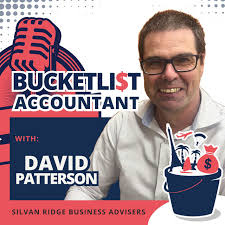
Article by
David Patterson
With more than three decades of experience helping business owners grow profitable, sustainable businesses, he focuses on one simple idea: Your business should give you a life, not take one away.
David works with small business owners who are doing okay but feel stretched, time-poor, or stuck. He helps them regain control of their numbers, build stronger systems, and create the financial freedom to start ticking off the things that matter most, now... not "someday".
He is the creator of the Bucket List Business Program, host of The Bucket List Accountant Podcast, and a passionate believer that success isn’t measured by revenue alone, it’s measured by the life your business allows you to live.
Disclaimer
“The information on this website is general in nature and is provided for information purposes only. It is not legal, financial or professional advice. You should obtain specific, independent advice relevant to your circumstances.”

Warrnambool Tax Advisory: Funding Your 2026 Bucket List
Ready to fund your 2026 bucket list? Discover proactive business financial planning Warrnambool to turn tax compliance into personal freedom and adventure.

What if your annual tax return was more than just a receipt for the government and actually acted as a boarding pass for your next big adventure? Many local entrepreneurs find that traditional business financial planning Warrnambool often feels cold and transactional, leaving them feeling like just another number in a large firm's database. You've likely felt the sting of an unexpected tax liability at the end of the financial year, or felt your work-life balance eroding as you chase business survival. It's a common struggle, but it doesn't have to be your permanent reality.
We believe that a strategic tax partner should do much more than manage compliance. They should actively unlock the cash flow you need to tick off your 2026 bucket list. In this article, you'll discover how to find a mentor who helps you navigate new 2026 regulations, like the permanent A$20,000 instant asset write-off and the shift to Payday Super, while prioritising your personal milestones. We'll show you how to move beyond basic accounting and build a relationship that focuses on your freedom and your long-term dreams.
The information on this website is general in nature and is provided for information purposes only. It is not legal, financial or professional advice. You should obtain specific, independent advice relevant to your circumstances.
Key Takeaways
- Transform your perspective on accounting from a mandatory historical record into a powerful roadmap for your future freedom and personal fulfillment.
- Master the fundamentals of proactive business financial planning Warrnambool to ensure your hard-earned profits are fueling your personal dreams rather than just tax liabilities.
- Identify the key traits of a mentor-style tax advisor who prioritises your work-life balance and 2026 lifestyle goals over simple data entry.
- Learn how to prepare your business structure today to maximise tax efficiency and reclaim the time you deserve for your bucket list adventures.
The information on this website is general in nature and is provided for information purposes only. It is not legal, financial or professional advice. You should obtain specific, independent advice relevant to your circumstances.
Navigating Tax Advisory in Warrnambool: Beyond Compliance to Lifestyle Design
Most traditional accounting practices in South-West Victoria focus on what happened last year. They look in the rearview mirror to ensure you've met your obligations to the ATO. While compliance is necessary, it doesn't help you fund a trip to the Kimberley or retire three years early. This is where modern business financial planning Warrnambool breaks the mould. It shifts the focus from historical data entry to future-focused strategy. You aren't just a tax file number; you're a person with a vision for 2026 and beyond. If your current accountant only calls you once a year to tell you how much you owe, they're failing to act as the strategic partner your business deserves.
The transition from "looking backward" to "looking forward" is the difference between surviving and thriving. A proactive advisor doesn't just record your history; they help you write your future. This approach turns your financial data into a roadmap. Instead of feeling a sense of dread when June 30 approaches, you can feel empowered. You'll have the clarity to know exactly where your cash flow is going and how much of it is being reserved for your personal milestones. Unlike many larger firms that might prioritize a volume-based approach, The Bucket List Accountant believes in the power of your specific personal vision.
Why Local Warrnambool Knowledge Still Matters in 2026
South-West Victoria has a unique economic pulse. From the dairy industry to our burgeoning tourism and retail sectors, your business operates in a specific context that "big city" firms often miss. There's immense value in having a face-to-face mentor who understands the local landscape. Building a legacy within the Warrnambool community requires more than just technical proficiency; it requires a relationship built on trust and shared local experience. A local advisor sees your business as a vital part of the community fabric, not just another entry in a database. This local insight ensures your business financial planning Warrnambool is tailored to the realities of our region.
The Link Between Tax Strategy and Your Bucket List
Every dollar saved through a proactive tax strategy is a dollar that can go toward your personal goals. A Financial planner often focuses on wealth management, but a proactive tax advisor ensures that wealth stays in your pocket to begin with. By integrating small business accounting with lifestyle design, you turn tax obligations into opportunities for reinvestment. It's about reframing the conversation. Instead of asking "How much tax do I have to pay?", we ask "How can we structure your affairs to fund your next big adventure?" This methodology proves that accounting can serve a higher purpose than mere technical compliance.
The emotional weight of financial uncertainty can be exhausting. When you have a clear strategy, that stress evaporates. You gain the freedom to focus on what you love, knowing that the technical details are being managed by someone who cares about your success as much as you do. This clarity is the ultimate engine for achieving your 2026 personal goals, allowing you to move forward with confidence and excitement.
The information on this website is general in nature and is provided for information purposes only. It is not legal, financial or professional advice. You should obtain specific, independent advice relevant to your circumstances.
The Evolution of Tax Strategy: Preparer vs. Proactive Advisor
When you think about your accountant, do you see a historian or a navigator? Most business owners in our region are used to the "Tax Preparer" model. This role is focused almost entirely on history. They look at your bank statements from months ago, ensure you've met your deadlines, and tell you how much you owe the ATO. It's reactive, backward-looking, and often leads to that sinking feeling when an unexpected tax bill arrives. In contrast, a true Tax Advisor acts as a mentor for your business financial planning Warrnambool. They focus on where you're going, not just where you've been. By prioritising forecasting and structural optimisation, they align your professional success with your personal joy.
Proactive tax advisory is a strategic partnership that anticipates liabilities before they occur.
The High Cost of Reactive Accounting
Waiting until June to talk to your accountant is one of the most expensive mistakes you can make. This reactive approach leads to the "EOFY Surprise," where you find yourself scrambling to find cash for a tax liability you didn't see coming. When you're constantly in survival mode, your work-life balance is the first thing to suffer. You miss out on critical opportunities like the A$20,000 instant asset write-off or the 2026 loss carry-back scheme because there was no time to plan. This drains the very cash flow you need to fund your dreams. Effective managing your business finances requires a shift from damage control to deliberate growth. Without a forward-looking strategy, your business financial planning Warrnambool will always be one step behind your ambitions.
Key Differentiators of a Modern Advisor
A modern advisor doesn't just hand you a balance sheet; they hand you a roadmap. They specialise in tax minimisation strategies for small business owners Australia, ensuring you aren't paying a cent more than necessary. This isn't just about the numbers; it's about what those numbers represent. By using sophisticated cash flow forecasting, they help you visualise when you'll have the funds for that overseas trip or that new home project. It's about making your business serve your life, rather than the other way around. If you're ready to stop looking backward, consider starting a conversation about your future today.
The information on this website is general in nature and is provided for information purposes only. It is not legal, financial or professional advice. You should obtain specific, independent advice relevant to your circumstances.
Essential Criteria for Choosing a Warrnambool Tax Advisor in 2026
How do you feel after a meeting with your accountant? If you leave feeling like a small fish in a big pond, it's time to reconsider your partnership. In a region where large firms often boast about their massive staff counts and decades of history, it's easy to feel like just another ledger in a database. True business financial planning Warrnambool requires a mentor who cares about your life as much as your tax return. You need a partner who understands that every professional decision is a tool for personal achievement. This "vibe check" is the first and most important step in finding someone who aligns with your long-term dreams.
Technical proficiency remains non-negotiable. Your advisor must be fluent in the latest Australian tax laws, including the 2026 individual tax rates and the permanent A$20,000 instant asset write-off. They should possess a deep understanding of complex areas like Division 7A to protect your assets while you pursue your goals. While the government offers general guidance on choosing a financial adviser, your specific journey needs a navigator who can translate these regulations into a clear, actionable roadmap for your business financial planning Warrnambool. Demand transparent pricing and a clear timeline for your relationship so there are never any surprises at tax time.
Questions to Ask Your Potential Advisor
Don't be afraid to interview your accountant. Start by asking, "How will you help me achieve my personal goals this year?" A good advisor will have an immediate answer that goes beyond balance sheets. You should also ask about their approach to this division 7a guide for compliance. Can they show you real examples of how they've helped other local business owners reclaim their time? If they can't speak to the human side of your business, they aren't the right fit for your journey.
The Importance of Holistic Business Coaching
Tax advice shouldn't exist in a vacuum. A modern advisor acts as a growth partner, integrating business coaching and strategy into every conversation. This is why looking for an accountant for work life balance is so vital. They shouldn't just be a bookkeeper; they should be a mentor who helps you design a life where you have both the time and money to enjoy your bucket list. This holistic approach ensures that your professional efforts are always serving your personal well-being, turning your business into a vehicle for freedom rather than a source of stress.
The information on this website is general in nature and is provided for information purposes only. It is not legal, financial or professional advice. You should obtain specific, independent advice relevant to your circumstances.
Preparing Your Business for Strategic Tax Planning
Most business owners start their tax season by hunting for missing receipts. While documentation is necessary, a shoebox of invoices won't help you retire early or fund a family trip to the Great Barrier Reef. True business financial planning Warrnambool begins with a shift in your "homework." Instead of just gathering historical data, you need to document your 2026 vision. This means reviewing your current business structure to ensure it's still the most tax-efficient vehicle for your growing ambitions. It's about looking forward, not just cleaning up the past.
Real-time data is the heartbeat of this process. In 2026, relying on cloud accounting isn't just about convenience; it's about survival. With the introduction of Payday Super on 1 July 2026, your payroll and superannuation obligations must be perfectly synchronised. When your data is current, you can spot opportunities for reinvestment or tax minimisation before the financial year ends. This clarity allows you to transition from being a passive observer of your bank balance to an active designer of your future. It gives you the confidence to make big moves without the fear of a hidden tax bill.
Creating Your Financial 'Bucket List'
Success looks different for everyone. For some, it's a specific revenue target. For others, it's the ability to take every Friday off to spend with their kids. You must distinguish between your business KPIs and your lifestyle milestones. Start by quantifying the cost of your dreams. Do you need A$15,000 for a European summer? Or perhaps A$50,000 to bolster your superannuation for an earlier retirement? Without a solid foundation in business financial planning Warrnambool, even the most profitable companies can feel like a golden cage. If you aren't sure where you stand, using the Bucket List Scoreapp is an excellent way to find your starting point and identify the gaps in your current strategy.
The First Strategy Session: What to Expect
Your first meeting with a proactive advisor should feel different from a standard tax appointment. You'll move from asking "how much do I owe?" to exploring "how much can I grow?" The focus shifts toward setting actionable short-term goals for the next 90 days. We look at your cash flow forecasting to see if you can afford that new hire or new equipment under the A$20,000 instant asset write-off. This creates a rhythm of communication that significantly reduces tax-time anxiety. You'll leave with a clear plan that aligns your professional output with your personal desires. If you're ready to stop guessing and start growing, you can book your first strategy session here to begin the journey.
The information on this website is general in nature and is provided for information purposes only. It is not legal, financial or professional advice. You should obtain specific, independent advice relevant to your circumstances.
Reclaiming Your Freedom: Why The Bucket List Accountant is Your Ideal Partner
Professional management should be a tool for a better life, not just a legal necessity. Our mission is simple: to prove that accounting can serve a higher purpose than mere technical compliance. We believe that your business should be the engine that funds your dreams, not the anchor that keeps you from them. Our unique "Bucket List" methodology isn't just about spreadsheets; it's a purposeful fusion of professional finance and personal aspiration. While other firms might focus on the size of their staff or their decades of history, we focus on the realization of your long-held ambitions. Our approach to business financial planning Warrnambool is designed specifically for those who are tired of being treated as a number and are ready to be treated as a visionary.
Local entrepreneurs trust us because we understand the specific struggles of running a business in South-West Victoria. We don't just manage your compliance; we actively look for ways to protect your time and your money. Whether it's navigating the new 2026 payday super regulations or maximizing the A$20,000 instant asset write-off, every decision is evaluated on whether it helps you achieve your life's ambitions. We act as a wise and approachable mentor, guiding you through the complexities of the Australian tax system so you can move forward with total confidence. This is business financial planning Warrnambool with a soul.
Your Journey Starts with a Conversation
What would you do if you weren't buried in paperwork and tax-time stress? It begins with a discovery call via Calendly to identify your primary personal and family objectives. This is what makes us different from traditional firms. We start with your life goals, then we build the financial strategy to support them. You won't find a dry, formal atmosphere here. Instead, you'll find an empathetic, expert-led mentorship that is genuinely invested in your holistic success. We want to see you reach those personal milestones just as much as you do.
The Path to a 4-Day Work Week
Imagine a life where your weekends start on Thursday afternoon. This isn't just a fantasy; it's a real-world application of strategic tax planning and structural optimization. By aligning your business strategy with your desire for freedom, we help you reclaim the time you've been sacrificing for survival. You can also join our growing community of aspirational business owners on YouTube to see how others are designing their dream lives. When you're ready to stop being overwhelmed and start achieving, work with me to design a roadmap that prioritizes your happiness. Your 2026 bucket list is waiting.
The information on this website is general in nature and is provided for information purposes only. It is not legal, financial or professional advice. You should obtain specific, independent advice relevant to your circumstances.
Your 2026 Journey Starts with a Single Strategic Choice
Your business should be the vehicle that carries you toward your dreams, not the weight that holds you back. We've explored how shifting from a reactive tax preparer to a proactive mentor can transform your cash flow and your calendar. By integrating our aspirational lifestyle-focused approach with decades of local experience, we help you navigate 2026 regulations like the A$20,000 instant asset write-off with total clarity. It's about moving beyond the ledger to ensure every professional decision serves your personal well-being.
Investing in business financial planning Warrnambool is the most powerful step you can take to reclaim your weekends and fund your next big adventure. You've worked hard to build your business; now it's time for your business to work hard for your life. Don't let another financial year pass by in survival mode while your bucket list remains unchecked. Our custom-built 'Bucket List' financial framework is designed to turn your professional success into personal freedom, giving you the time and money you deserve.
Ready to fund your bucket list? Book your strategy session today!
Your future freedom is waiting, and we're here to guide you every step of the way. Let's make 2026 the year you finally mark those big achievements off your list and move forward with confidence.
The information on this website is general in nature and is provided for information purposes only. It is not legal, financial or professional advice. You should obtain specific, independent advice relevant to your circumstances.
Frequently Asked Questions
What is the difference between a tax agent and a tax advisor in Warrnambool?
A tax agent typically focuses on your history by recording past transactions and ensuring your forms are lodged accurately and on time. In contrast, a tax advisor acts as a proactive mentor who looks through the windscreen rather than the rearview mirror. They integrate business financial planning Warrnambool with your personal aspirations, showing you how to structure your affairs to actively fund your dream lifestyle rather than just reporting on it.
How can a strategic tax advisor help me achieve a better work-life balance?
Your advisor helps you reclaim your time by aligning your business strategy with your personal "Bucket List" milestones. By optimizing your cash flow and automating compliance through smart systems, they reduce the all-consuming workload that often leads to burnout. This approach moves you from simply surviving to thriving, allowing you to design a life where your business serves your well-being and gives you the freedom to enjoy your weekends.
When is the best time of year to engage a tax advisor for my small business?
The best time to engage an advisor is right now, well before the end of the financial year. Waiting until June limits your ability to implement powerful strategies like the A$20,000 instant asset write-off or structural changes that could save you thousands. Early engagement allows for meaningful forecasting and adjustments, ensuring you move toward the 31 October self-lodgement deadline with total confidence and zero stress.
Do I need a local Warrnambool accountant if my business is mostly online?
Yes, because a local mentor provides a level of empathetic, face-to-face connection that faceless national firms cannot match. Even if your customers are global, your personal journey is local. A Warrnambool-based partner understands our regional economic pulse and is genuinely invested in your success within the community. This local relationship ensures your business financial planning Warrnambool is grounded in your actual daily life and long-term family goals.
What are the most common tax mistakes Warrnambool small business owners make?
The most frequent error is reactive planning, where owners only think about tax after the financial year has ended. Many also miss out on significant benefits, such as the 50% active asset CGT reduction, because their business structure hasn't been reviewed as they've grown. Another common mistake is failing to manage real-time data, which leads to unexpected EOFY liabilities that drain the cash flow needed for personal goals.
How much should I expect to pay for strategic tax advisory compared to basic compliance?
Strategic advisory should be viewed as a high-value investment in your future freedom rather than a simple administrative cost. While basic compliance fees cover the necessity of historical record-keeping, strategic advisory provides a much higher return on investment by actively unlocking cash flow. This partnership pays for itself by identifying tax minimisation opportunities and creating the time freedom you need to focus on growing your legacy.
Can a tax advisor help with my personal 'Bucket List' goals as well as business tax?
Absolutely, as our entire framework is built on the belief that your professional success should fund your personal joy. We evaluate every business decision based on whether it helps you tick off milestones like family travel, home renovations, or early retirement. By treating your business as a supportive mechanism for a larger, more meaningful purpose, we ensure your financial strategy is always working toward your life's ambitions.
What documents should I bring to my first tax strategy session in 2026?
For your 2026 session, bring your real-time cloud accounting data and a clear vision of your personal goals for the coming year. We'll need to review your current structure and any payroll details affected by the new Payday Super regulations starting 1 July 2026. Most importantly, bring your "Bucket List" so we can start mapping out the exact steps needed to turn your professional profits into personal achievements.
The information on this website is general in nature and is provided for information purposes only. It is not legal, financial or professional advice. You should obtain specific, independent advice relevant to your circumstances.
Article by
David Patterson
With more than three decades of experience helping business owners grow profitable, sustainable businesses, he focuses on one simple idea: Your business should give you a life, not take one away.
David works with small business owners who are doing okay but feel stretched, time-poor, or stuck. He helps them regain control of their numbers, build stronger systems, and create the financial freedom to start ticking off the things that matter most, now... not "someday".
He is the creator of the Bucket List Business Program, host of The Bucket List Accountant Podcast, and a passionate believer that success isn’t measured by revenue alone, it’s measured by the life your business allows you to live.
Disclaimer
“The information on this website is general in nature and is provided for information purposes only. It is not legal, financial or professional advice. You should obtain specific, independent advice relevant to your circumstances.”

Financial Monitoring Tools: Gaining Clarity to Fuel Your 2026 Bucket List
Ready to fund your dreams? Discover financial monitoring tools that turn complex data into a clear path to your 2026 bucket list. Gain confidence today!

What if your balance sheet wasn't a source of dread, but a ticket to that month-long trip to the Amalfi Coast you've been dreaming about for 2026? It's a common struggle for business owners to feel like they're working for their company rather than the business working for them. You might find yourself staring at complex reports with a sense of confusion, or feeling a constant hum of anxiety about your cash flow that keeps you awake at night. We understand that feeling of being a slave to the daily grind, where the idea of taking a real holiday feels like a distant fantasy. The good news is that gaining control over your future starts with the right financial monitoring tools.
By implementing a clear strategy, you can move from being overwhelmed by data to having real-time visibility of your profit. This article will show you how to reduce stress, regain your time, and ensure your business is finally funding your life's greatest ambitions. We will walk through the essential tools and habits that turn financial data into a roadmap for your personal bucket list. You deserve a business that serves your purpose, and we're here to help you build the confidence to move forward.
The information on this website is general in nature and is provided for information purposes only. It is not legal, financial or professional advice. You should obtain specific, independent advice relevant to your circumstances.
Key Takeaways
- Discover how to transition from being a slave to your business to having a business that funds your 2026 bucket list.
- Master the vital signs of your business, including profit and cash flow, to gain the confidence to take a real holiday.
- Identify the best cloud-based financial monitoring tools to keep you connected to your goals without being tied to a desk.
- Follow a practical, five-step guide to creating a "Dashboard of Freedom" that simplifies your decision-making process.
- Learn why a mentor is the missing link between having data and having the clarity to realize your long-term dreams.
The information on this website is general in nature and is provided for information purposes only. It is not legal, financial or professional advice. You should obtain specific, independent advice relevant to your circumstances.
Why Financial Monitoring is the Secret to Your 2026 Bucket List
Financial monitoring is far more than a dry accounting task; it is the continuous process of tracking the vital signs of your business health. Think of it as the GPS for your personal journey. When you have a clear view of where your money is going and how your profit is growing, you stop "flying blind" and start operating with informed confidence. This clarity is the bridge between a business that consumes your life and one that funds your greatest ambitions. Whether you dream of a month in Tuscany or a simple, stress-free summer at the beach, knowing your numbers allows you to plan those milestones with absolute certainty.
Your business should be the vehicle that carries you toward your life goals, not a weight that holds you back. By using the right financial monitoring tools, you transform confusing data into a roadmap for freedom. It is about shifting your perspective from "how much tax do I owe?" to "how much life can I afford?" This proactive approach ensures that every professional decision you make is filtered through the lens of your personal happiness and well-being.
The Cost of Financial Blind Spots
Many business owners rely on "bank balance accounting," where they simply check their phone app to see if there is cash available. This habit often leads to burnout because it hides the looming obligations that haven't hit the account yet. For business owners in Warrnambool, the "EOFY surprise" is a real source of anxiety. Waiting for quarterly reports or annual meetings with an accountant is simply too slow in today's fast-paced market. These blind spots result in missed opportunities and a nagging fear that prevents you from ever truly switching off. When you don't know your future liabilities, you can't say "yes" to that 2026 holiday with a clear conscience.
Visibility: The Foundation of Freedom
Real-time data is the antidote to business anxiety. When you have instant visibility into your performance, you gain the courage to make faster, bolder decisions. You no longer have to guess if you can afford a new hire or a major equipment upgrade. This "peace of mind" comes from a structured approach to performance measurement, where you track what actually matters for your growth. Establishing this foundation is a core part of working with an Accountant for Work Life Balance. It ensures your numbers are handled so you can focus on designing your dream life. By integrating modern financial monitoring tools into your daily routine, you reclaim the time and mental energy needed to tick those big items off your bucket list.
The information on this website is general in nature and is provided for information purposes only. It is not legal, financial or professional advice. You should obtain specific, independent advice relevant to your circumstances.
Beyond the Bank Balance: Key Metrics to Monitor
Do you ever feel like you're working harder but seeing less in your personal account? It's a frustrating paradox many business owners face. While your bank balance tells you what's left today, it doesn't tell you if you're actually building a sustainable future. True clarity comes from shifting your focus from mere tax compliance to active performance monitoring. By using modern financial monitoring tools, you can track the trends that matter most for your long-term dreams rather than just reacting to yesterday's news.
We categorize these metrics into three pillars: Profit, Cash Flow, and Efficiency. However, the most exciting metrics are what I call "Lifestyle KPIs." For instance, are you tracking the ratio of hours you work versus the profit your business generates? If your profit grows but your free time shrinks, your business isn't serving your bucket list. Comparing your results against Small business benchmarks can help you see where you stand relative to others in your industry, providing a healthy reality check on your operational efficiency.
The Freedom KPIs: Measuring What Matters
Your Gross Profit Margin is the engine of your bucket list. It's the money left over to cover your lifestyle and future investments after the direct costs of sales are paid. If this margin is too thin, you'll always be chasing your tail. Another vital sign is "Days Sales Outstanding" (DSO). This measures how long it takes for customers to pay you. A high DSO means your cash is trapped in someone else's pocket, which is exactly what leads to cancelled weekend plans or delayed holidays. You can dive deeper into these KPIs That Matter to start taking control of your time today.
Cash Flow: The Oxygen of Your Business
It's vital to understand that profit is not the same as cash. You can have a profitable year on paper while your bank account is empty because that profit is tied up in inventory or unpaid invoices. Monitoring your burn rate, or how much cash you're spending each month, is essential for sustainable growth. Many owners fall into common cash flow errors that stall their dreams, like failing to account for upcoming tax payments or seasonal dips. Using financial monitoring tools to visualize these cycles helps you breathe easier. If you're ready to stop guessing and start growing, you might want to explore a strategy partnership to see how these metrics apply to your specific goals.
The information on this website is general in nature and is provided for information purposes only. It is not legal, financial or professional advice. You should obtain specific, independent advice relevant to your circumstances.
Essential Financial Monitoring Tools for Australian Small Businesses
Choosing the right financial monitoring tools isn't just about software; it's about building a "Single Source of Truth" that gives you the freedom to step away from your desk. In the Australian business landscape, staying ahead of the game means choosing platforms that play nicely with the ATO and handle Single Touch Payroll (STP) effortlessly. When your systems are integrated, you can monitor your business health from a beach in Queensland or a cafe in Paris, knowing that your data is accurate and up-to-date. This connectivity is the secret to moving from a state of constant worry to one of empowered control. It's about creating a digital ecosystem that works for you, ensuring that compliance is a byproduct of your success rather than a hurdle you have to jump over every week.
Having all your financial data in one place allows you to see the connections between your daily operations and your long-term dreams. You don't want to be digging through piles of paper when you should be planning your next adventure. By embracing cloud-based solutions, you ensure that you, your team, and your advisors are all looking at the same real-time information. This transparency builds trust and allows for much more meaningful conversations about where your business is headed.
Cloud Accounting: The Hub of Your Financial Life
For Victorian business owners, Xero and QuickBooks Online have become the gold standard for a reason. These platforms act as the central hub of your financial ecosystem, pulling in real-time data through automated bank feeds that sync directly with Australian banks. Imagine the hours you'll save when manual data entry becomes a thing of the past. This automation doesn't just reduce errors; it gives you the gift of time. By establishing a solid foundation with Small Business Accounting, you're setting the stage for a business that runs smoothly whether you're in the office or on a well-deserved break. It allows you to check your profit margins while you're waiting for your flight, giving you the confidence that everything is on track.
Forecasting and Dashboarding Tools
If spreadsheets make your eyes glaze over, you aren't alone. Many entrepreneurs find traditional reports confusing and overwhelming. Tools like Fathom or Spotlight Reporting are designed to turn dense rows of numbers into easy-to-read graphs and visual dashboards. These financial monitoring tools allow you to see the "big picture" at a glance, making it much easier to spot trends before they become problems. They are particularly powerful for seasonal cash flow management, helping you navigate the peaks and troughs of the year with confidence. When you can see your future cash position in a clear, visual format, the path to your 2026 bucket list goals becomes much more visible. It's the difference between guessing where you'll be in six months and having a documented roadmap that guides your every move.
The information on this website is general in nature and is provided for information purposes only. It is not legal, financial or professional advice. You should obtain specific, independent advice relevant to your circumstances.
Setting Up Your "Dashboard of Freedom": A 5-Step Guide
Creating a system that tracks your success doesn't require a degree in finance. You don't need to be an expert to start building a "Dashboard of Freedom" that works for you. The goal is to move away from the professional burden of an all-consuming workload and toward a business that supports your personal milestones. By focusing on small wins, you'll build the momentum needed to reclaim your time. Let's break down the practical steps to getting your financial monitoring tools working for your future and your family.
Step 1-3: Connectivity and Automation
The first three steps are all about removing the manual friction that leads to procrastination. Step 1 is to connect your bank feeds to your cloud accounting platform. This ensures that every transaction is captured in real-time, removing the heavy lifting of data entry that often leads to burnout. Once the data is flowing, Step 2 is to automate your expense tracking using tools like Dext or Hubdoc. Instead of letting receipts pile up on your dashboard, you simply snap a photo and let the software do the sorting. This keeps your records pristine and ready for review at any moment.
Step 3 involves narrowing your focus. You don't need to track fifty different metrics to be successful. Instead, define your top 3 "Non-Negotiable" KPIs. These are the indicators that tell you if you're on track to fund that 2026 bucket list. Whether it's your monthly net profit or your current cash reserves, having these three numbers front and center simplifies your decision-making and reduces the mental clutter that keeps you up at night.
Step 4-5: Review and Refine
Once your automation is humming, you need a rhythm for reflection. Step 4 is to schedule a "Financial Date" with yourself every Friday afternoon. This isn't a deep dive into tax law; it's a 15-minute check-in to see how your numbers align with your goals for the week. It provides mental closure, allowing you to head into the weekend without the "nagging doubt" of unfinished business. Step 5 is to use a ScoreApp to assess your business health on a regular basis. This tool helps you see the gaps in your strategy and provides actionable insights to keep your momentum high.
Following these steps helps you adopt a "4-day work week" mindset. When you have total visibility, you can stop working out of fear and start working with purpose. You'll find that you don't need to be chained to your desk to be successful. If you're ready to stop feeling like a slave to the business and start living your life, you can book a strategy session to get your personalized dashboard started today.
The information on this website is general in nature and is provided for information purposes only. It is not legal, financial or professional advice. You should obtain specific, independent advice relevant to your circumstances.
From Data to Dreams: Why a Mentor Beats a Spreadsheet
It is easy to believe that simply installing the latest software will solve your business woes. You might have the most sophisticated financial monitoring tools in the world, but data without direction is just noise. A spreadsheet can tell you that your margins are shrinking; it won't tell you why your team is disengaged or how to pivot your strategy to save your 2026 summer holiday. This is where the transition from data to dreams truly begins. A mentor doesn't just look at the numbers. They look at the life those numbers are supposed to build. They help you interpret the "why" behind the "what," turning cold statistics into a warm, actionable plan for your future.
Advisory services are the bridge between monitoring and strategic action. When you work with a guide, you move beyond the "how" of accounting and into the "why" of business ownership. Your finances are not just a set of obligations to the ATO; they are the fuel for your unique journey. By viewing your profit as a tool for personal fulfillment, you start making professional decisions based on empowerment rather than fear. This shift in mindset is what allows you to finally stop feeling like a slave to the daily grind and start feeling like the architect of your own destiny.
The Human Element of Financial Success
An objective perspective is vital because it helps spot the blind spots that you are too close to see. We help business owners in Warrnambool and Geelong align their numbers with their deepest life goals, ensuring that every dollar earned is a step closer to a milestone. Whether you want to spend more time with your family or invest in a new passion project, we provide the clarity needed to make it happen. If you are ready to move past the confusion of complex reports, I invite you to work with me to design a future that reflects your true purpose. We believe professional management is a tool for a better life, not just a legal necessity.
Take the First Step Toward Your Bucket List
Monitoring your finances is the first step toward reclaiming your weekends and your peace of mind. It provides the foundation of authenticity you need to lead your business with confidence. If you're unsure if your current financial monitoring tools are actually serving your dreams, let's have a conversation. You can book a strategy session to review your current systems and identify the gaps that are holding you back. For more motivational tips and stories of transformation, head over to our YouTube channel. Your 2026 bucket list is waiting; it's time to start marking those achievements off your list with a sense of pride and professional satisfaction.
The information on this website is general in nature and is provided for information purposes only. It is not legal, financial or professional advice. You should obtain specific, independent advice relevant to your circumstances.
Your 2026 Journey Starts With Clarity
Gaining control over your business finances is the first step toward the freedom you've been working so hard to achieve. By moving beyond simple bank balance checks and embracing financial monitoring tools, you've seen how easy it is to replace anxiety with informed confidence. You now have the roadmap to automate your systems, track the KPIs that actually matter for your lifestyle, and use your profit as a vehicle for your personal dreams.
With decades of experience supporting business owners across Warrnambool and Geelong, I've seen firsthand how cloud-based financial automation can transform a professional burden into a source of empowerment. You don't have to navigate this path alone. Whether you're refining your "Dashboard of Freedom" or looking for aspirational coaching that prioritizes your unique bucket list, the right guidance makes all the difference. It's time to stop being a slave to the daily grind and start building the life you've always imagined.
Ready to turn your data into a dream life? Book your strategy session today
You have the vision and the drive to succeed. Now, you have the strategy to back it up. Let's make 2026 the year you mark off those big achievements with pride and professional satisfaction.
The information on this website is general in nature and is provided for information purposes only. It is not legal, financial or professional advice. You should obtain specific, independent advice relevant to your circumstances.
Frequently Asked Questions
What are the best financial monitoring tools for small businesses in Australia?
Xero and QuickBooks Online are the premier choices for Australian businesses because they integrate perfectly with the local banking system and ATO compliance standards. These platforms act as your central hub, automating data entry so you can focus on your vision. By choosing tools that handle Single Touch Payroll and GST natively, you ensure your business stays healthy while you focus on your personal journey toward 2026.
How often should I monitor my business financial statements?
You should aim for a "daily, weekly, monthly" rhythm to keep your finger on the pulse of your business health. Check your bank feeds daily to stay aware of immediate cash movements. Dedicate fifteen minutes every Friday to a weekly review of your non-negotiable KPIs. Finally, conduct a deep-dive monthly analysis to see if your progress aligns with your long-term bucket list dreams and financial milestones.
Can I monitor my business finances myself or do I need an accountant?
You can certainly manage the day-to-day tracking yourself, but a mentor helps you see the "why" behind the numbers. While financial monitoring tools provide the raw data, an experienced guide interprets that data to help you make courageous decisions. This partnership ensures your business isn't just surviving, but actively funding the lifestyle you've always wanted. It's about moving from technical compliance to holistic life success.
What is the difference between budgeting and financial monitoring?
Budgeting is the intentional plan you set for your money, while monitoring is the ongoing practice of comparing that plan to reality. Think of budgeting as your map and monitoring as your GPS. Without monitoring, a budget is just a wish list. By tracking your actual performance, you can adjust your course in real-time, ensuring you stay on the path toward your personal and professional ambitions.
How do financial monitoring tools help with cash flow forecasting?
These tools analyze your historical spending and income patterns to predict where your bank balance will be in the future. This visibility is crucial for planning major life events or business investments. By using financial monitoring tools to forecast cash flow, you can spot potential hurdles months in advance. This gives you the peace of mind to book that 2026 holiday without worrying about a sudden cash shortage.
What should I do if my financial monitoring shows a cash flow gap?
Don't panic if you see a gap; instead, use it as a signal to take strategic action. Start by reviewing your "Days Sales Outstanding" to see if you can pull in overdue payments faster. You might also look at tax minimisation strategies or adjust your upcoming expenses. Having this visibility early allows you to make calm, rational adjustments rather than reacting out of fear when the account is already empty.
Are there free financial monitoring tools for beginners?
Yes, beginners can start with simple spreadsheets or free versions of specialized software like Sharesight, which is free for up to 10 holdings as of June 2026. Many cloud accounting platforms also offer free trials or basic plans for very small operations. While these are great for learning the ropes, remember that the goal is to eventually automate these tasks so you can reclaim your time for more meaningful activities.
How does financial monitoring help me achieve a better work-life balance?
Monitoring removes the "nagging doubt" that often keeps business owners awake at night. When you know exactly where your profit stands and that your cash flow is healthy, you can truly switch off. This informed confidence is the foundation of a better work-life balance. It allows you to be present with your family and enjoy your hobbies, knowing your business is a supportive mechanism for your life goals.
The information on this website is general in nature and is provided for information purposes only. It is not legal, financial or professional advice. You should obtain specific, independent advice relevant to your circumstances.
Article by
David Patterson
With more than three decades of experience helping business owners grow profitable, sustainable businesses, he focuses on one simple idea: Your business should give you a life, not take one away.
David works with small business owners who are doing okay but feel stretched, time-poor, or stuck. He helps them regain control of their numbers, build stronger systems, and create the financial freedom to start ticking off the things that matter most, now... not "someday".
He is the creator of the Bucket List Business Program, host of The Bucket List Accountant Podcast, and a passionate believer that success isn’t measured by revenue alone, it’s measured by the life your business allows you to live.
Disclaimer
“The information on this website is general in nature and is provided for information purposes only. It is not legal, financial or professional advice. You should obtain specific, independent advice relevant to your circumstances.”

Inventory and Cash Flow: How to Unlock the Funds for Your Bucket List
Is your stock holding your dreams hostage? Master your inventory cash flow, convert products to profit, and start living your bucket list. Take control today.

Have you ever looked at a warehouse full of products and realized you're staring at your dream vacation to the Amalfi Coast, currently gathering dust on a pallet? It's a heavy feeling to see your hard-earned capital tied up in boxes while you stress over meeting next week's payroll. If you feel like you're working for your stock instead of your stock working for you, you're not alone. Many dedicated business owners find themselves trapped in this cycle, where managing inventory cash flow feels like a constant battle against stagnant stock and missed personal opportunities.
I believe your business should be a vehicle for your freedom, not a cage that keeps you from your personal ambitions. You deserve a healthier bank balance that allows you to step away from the daily grind. With interest rates for inventory lines of credit starting around 3 percent to 7.8 percent in early 2026, the tools to unlock your capital are more accessible than you might think. In this article, I'll show you how to transform stagnant stock into liquid cash so you can fund your personal dreams without sacrificing growth. We'll break down your Cash Conversion Cycle into manageable steps, giving you the clarity and confidence to make strategic decisions that finally put your bucket list back on the calendar.
The information on this website is general in nature and is provided for information purposes only. It is not legal, financial or professional advice. You should obtain specific, independent advice relevant to your circumstances.
Key Takeaways
- Learn why your warehouse might be hiding the capital you need for your personal dreams and how to stop "just-in-case" ordering from draining your bank account.
- Simplify the Cash Conversion Cycle to understand exactly how long it takes for your stock to turn back into the liquid cash you deserve.
- Identify the "vampire stock" that is currently holding your inventory cash flow hostage and apply the Pareto Principle to focus on what truly drives profit.
- Discover practical strategies like "Just-in-Time" ordering and "Bucket List Clearances" to reclaim your weekends and your capital.
- Understand how strategic business coaching can align your professional stock management with your soul’s most important life goals.
The information on this website is general in nature and is provided for information purposes only. It is not legal, financial or professional advice. You should obtain specific, independent advice relevant to your circumstances.
The Ghost in Your Bank Account: Why Inventory Traps Your Cash
Imagine walking through your warehouse or storeroom right now. You see stacks of boxes, shelves of components, or racks of finished goods. But what if you stopped seeing products and started seeing frozen currency? Every item on those shelves is a dollar that isn't in your bank account. It's a dollar that isn't paying for your next family adventure; it's a dollar that isn't sitting in an offset account reducing your mortgage. This is the reality of inventory cash flow. Your stock is often a ghost haunting your bank balance, making you feel financially stretched even when your business is technically "profitable."
Many owners fall into the trap of "just-in-case" ordering. You buy extra to avoid a stockout or to snag a bulk discount. While it feels like security, it's actually the primary enemy of your lifestyle goals. Instead of a safety net, you've built a cage of cardboard and plastic that keeps you chained to the office. You end up obsessing over stocktakes and storage logistics when you could be at the beach. The psychological cost of managing excess stock is high. It creates a heavy mental load that prevents you from truly switching off.
Profit vs. Cash: The Great Small Business Delusion
It's a common frustration for business owners. Your Profit and Loss statement shows a healthy number, yet you're sweating over payroll. This happens because inventory is an asset, not an expense. When you buy stock, that cash leaves your bank account but stays on your balance sheet. You don't "expense" it until it sells. This creates a gap where you're paying tax on profits you haven't actually realized in cash yet. You're effectively "hiding" your cash on your own shelves.
Understanding your Cash Conversion Cycle (CCC) is the first step to waking up from this delusion. The longer your money stays locked in a box, the less freedom you have. If you notice that your stock levels are rising while your cash reserves are dwindling, you're facing an inventory-heavy cash crunch. It's a warning sign that your business model is consuming more cash than it's creating.
The Opportunity Cost of Stagnant Stock
Let's get personal. If you have $50,000 tied up in slow-moving stock, that isn't just a business statistic. That is a first-class trip to Italy. It's the deposit on a beach house. It's the peace of mind that comes from knowing your family is secure. With interest rates for inventory lines of credit starting around 3% to 7.8% in early 2026, every day that stock sits unsold, it's literally costing you money in interest or lost investment potential.
"Dead stock" acts like a slow leak in your business boat. It doesn't just tie up your initial investment; it costs you money every day in storage, insurance, and potential obsolescence. When you prioritize strategic flow over stockpiling, you're not just managing a business; you're funding a life. Are you ready to see how your business measures up? You can take the Bucket List Scorecard to see if your current management of inventory cash flow is actually serving your long-term dreams.
The information on this website is general in nature and is provided for information purposes only. It is not legal, financial or professional advice. You should obtain specific, independent advice relevant to your circumstances.
Understanding the Cash Conversion Cycle (CCC) Without the Headache
What if you had a speedometer for your business that didn't just show how fast you were going, but how close you were to your next getaway? In the world of finance, we call this the Cash Conversion Cycle (CCC). It's a simple way to measure the time it takes for every dollar you spend on stock to travel through your business and return to your bank account as profit. Think of the CCC as the speedometer of your financial freedom. The faster that needle moves, the quicker you can stop worrying about bills and start booking flights.
For a business owner here in Warrnambool, a shorter cycle means more than just tidy books. It means having the liquidity to say "yes" to life. This cycle stands on three pillars: how long you hold stock, how fast your customers pay you, and how long you have to pay your suppliers. When you master these, you aren't just managing inventory cash flow; you're creating a self-funding engine for your dreams. By applying proven inventory management strategies, you can ensure that your money spends less time in a box and more time in your pocket.
Days Inventory Outstanding (DIO): Your Speed Limit
Days Inventory Outstanding (DIO) tells you the average number of days your stock sits on the shelf before it finds a new home. If your DIO is high, your cash is essentially trapped in a waiting room. In early 2026, industry benchmarks suggest that being "average" isn't enough when interest rates for inventory loans can reach up to 35 percent for short-term fixes. You want your stock moving fast. Why? Because slow-moving stock inevitably leads to slow-living. When your capital is tied up for 90 days instead of 30, that's 60 days of potential freedom you've traded away for a pile of boxes.
The Ripple Effect on Your Cash Flow Statement
You don't need to be an accountant to understand why your Cash Flow Statement matters. In the "Operating Activities" section, an increase in inventory is actually recorded as a negative number. It feels counterintuitive, but it's true: more stock on hand means less cash in the bank. This is why many profitable businesses feel "broke" during growth phases. You're buying your way into a cash crunch. Using financial monitoring tools can help you visualize these shifts before they become a crisis. If you're ready to see how these numbers can work for you, let's look at how we can align your strategy with your life goals.
The information on this website is general in nature and is provided for information purposes only. It is not legal, financial or professional advice. You should obtain specific, independent advice relevant to your circumstances.
Stockpiling vs. Strategic Flow: Identifying Your Cash Drains
Have you ever felt that nagging fear of an empty shelf? It's a common anxiety that drives many business owners to over-order. But here is a hard truth: the fear of running out of stock is often far less dangerous than the reality of running out of money. When you choose to stockpile "just in case," you aren't just buying products. You're making a choice to keep your dreams on hold. I've seen countless storerooms where the Pareto Principle is in full effect. Usually, just 20 percent of your stock is driving 80 percent of your actual revenue. The rest? That is your "vampire stock."
Vampire stock doesn't just sit there. It actively sucks the life out of your inventory cash flow. It demands insurance premiums. It takes up expensive floor space. It risks becoming damaged or obsolete before it ever finds a customer. Every dollar tied up in a slow-moving pallet is a dollar that could be funding your next big life milestone. If you're ready to stop the bleed, it starts with a clear-eyed look at what is actually moving and what is just taking up space. You can use tools like the Bucket List Scorecard to see how your current habits are impacting your path to freedom.
The ABC Analysis: Categorising Your Inventory
To reclaim your capital, you must categorise your stock. "A-Items" are your high-velocity cash generators. These are the lifeblood of your business and deserve your full attention. "B-Items" represent the steady middle ground that keeps things ticking over. Then, there are the "C-Items." These are the "bucket list killers." They move slowly, eat up storage costs, and keep your bank balance lower than it should be. Identifying these items is the first step toward a "Bucket List Clearance" that turns dust into dollars.
Why "Bulk Buying" Discounts Are Often a Trap
Suppliers love to offer a 5 percent discount if you buy a six-month supply. It sounds like a win, but let's do the math. If that cash is tied up for half a year, you lose the ability to pivot or invest elsewhere. When you factor in the cost of storage and the 2026 interest rates for inventory financing, that small discount often evaporates. You're better off negotiating smaller, more frequent deliveries. This strategy keeps your cash fluid and your business agile. If you want to explore how to restructure these deals, let's chat about a strategy that prioritizes your flow over their volume.
The information on this website is general in nature and is provided for information purposes only. It is not legal, financial or professional advice. You should obtain specific, independent advice relevant to your circumstances.
5 Inventory Strategies to Reclaim Your Cash and Your Weekends
Turning your storeroom into a launchpad for your dreams requires more than just a tidy up. It takes a shift in strategy. You've already identified the "vampire stock" draining your accounts; now it's time to implement a plan that keeps your inventory cash flow healthy and your weekends free. When you stop guessing what your customers want and start using real-time data, you stop being a warehouse manager and start being a business strategist. Here are five ways to make that happen.
- Localized Just-in-Time (JIT) Principles: You don't need to be a global giant to use JIT. In regional Victoria, this means ordering smaller batches more frequently to match your actual sales pace. It reduces the cash you have sitting on shelves without the risk of empty racks.
- The "Bucket List Clearance": Stop letting slow-moving items gather dust. Run a dedicated clearance event where every dollar earned is tagged specifically for a personal goal, like a weekend away or a new hobby. It turns "dead stock" into a "living dream."
- Automated Reorder Points: Stop the manual counting headache. Use cloud accounting tools to set minimum stock levels that trigger alerts. This ensures you only buy what you need, exactly when you need it.
- Supplier Lead-Time Negotiation: Build stronger relationships with your suppliers to shorten the time between an order and delivery. Shorter lead times mean you don't have to hold as much "safety stock."
- Data-Driven Decisions: Use your sales history to spot trends. If you know exactly what sells in October, you won't over-invest in stock that will sit idle until March.
Managing Seasonal Dips in Warrnambool
Living and working in a beautiful coastal spot like Warrnambool means riding the waves of the tourism cycle. Your stock levels in January should look very different from your shelves in July. I've worked with a local shop that felt the winter pinch every year. By reducing their off-season stock by 30 percent and focusing only on high-velocity items, they didn't just survive the winter; they doubled their holiday fund for a trip to the Whitsundays. They stopped letting the winter slowdown become a cash crisis and started using it as a time to plan their next adventure.
Leveraging Technology for Financial Peace of Mind
Technology is your best friend when it comes to reclaiming your time. Modern cloud accounting integrations track your inventory in real-time, giving you a clear picture of your financial health at any moment. By linking these levels to your cash flow forecasting, you can see exactly how much cash is available for your bucket list next month. If you're ready to stop the manual stocktake and start strategic planning, let's work together to build a business that funds your life.
The information on this website is general in nature and is provided for information purposes only. It is not legal, financial or professional advice. You should obtain specific, independent advice relevant to your circumstances.
Partnering for Prosperity: How Advisory Turns Stock into Freedom
You have learned how to spot the "vampire stock" and how to calculate your speed limit with DIO. But knowing the numbers is only half the battle. To truly move from surviving to thriving, you need a partner who sees your business through the lens of your soul's ambitions. This is where strategic advisory changes the game. An accountant shouldn't just be a person who files your tax; they should be your business coach, helping you navigate the complexities of inventory cash flow so you can finally book that trip you've been talking about for years. I believe that professional management is a tool for a better life, not just a legal necessity.
Moving from a professional burden to an aspirational solution requires a shift in how you view your financial team. When you align your stock levels with your soul, you stop seeing inventory as a technical problem and start seeing it as a lifestyle enabler. Our "Bucket List" approach to accounting ensures that every decision made in the warehouse is evaluated on whether it helps you achieve your life's ambitions. This purposeful connection is what turns a dry financial strategy into a powerful engine for personal achievement and well-being.
Beyond Compliance: The Role of a Strategic Advisor
We help you look beyond the standard rows and columns of your balance sheet. Our goal is to help you read between the lines to find the "low-hanging fruit." These are the quick wins where clearing even a small amount of stagnant stock can immediately fund a personal milestone. We also help you set non-financial KPIs that measure your true success. For example, how many days a year do you want to spend entirely away from the business? We treat that number with as much importance as your net profit. By breaking down grand visions into manageable, short-term actionable plans, we ensure your inventory cash flow stays healthy enough to support your freedom.
Design Your Dream Life Today
Your business should serve your life, not the other way around. It's time to stop feeling chained to the storeroom because of financial pressure. You deserve to feel empowered and hopeful about your future. Take the first step toward clarity today by using the Bucket List Scoreapp to see exactly where you stand. This simple tool will help you identify the gaps between your current business reality and your long-term dreams.
Are you ready to unlock your cash and reclaim your time? Book a strategy session with us today. Let's work together to turn those boxes on your shelves into progress on your list of life achievements. You have the experience and the passion; now let's add the strategic advisory needed to make your bucket list a reality.
The information on this website is general in nature and is provided for information purposes only. It is not legal, financial or professional advice. You should obtain specific, independent advice relevant to your circumstances.
Turn Your Shelves Into Your Next Adventure
You've seen how "vampire stock" can haunt your bank account and how a faster Cash Conversion Cycle acts as a speedometer for your freedom. By moving away from "just-in-case" ordering and embracing strategic flow, you aren't just improving your inventory cash flow; you're actively funding your future. Whether it's a trip to Italy or more quality time with your family here in Warrnambool, your business exists to serve your life, not the other way around.
With over 20 years of experience supporting regional Victorian business owners, I've developed a unique "Bucket List" coaching framework designed to turn technical financial management into personal fulfillment. You don't have to navigate these decisions alone. It's time to stop feeling chained to your warehouse and start marking progress on your list of life achievements. Take the first step toward a shorter work week and a healthier bank balance right now.
Book Your Lifestyle Strategy Session Today and let's turn your stagnant stock into your next great journey. You've worked hard for your business; it's time your business worked just as hard for you.
The information on this website is general in nature and is provided for information purposes only. It is not legal, financial or professional advice. You should obtain specific, independent advice relevant to your circumstances.
Frequently Asked Questions
How does inventory affect cash flow exactly?
Inventory acts as a temporary storage for your cash, meaning every dollar you spend on stock is a dollar that isn't available in your bank account for other needs. When you buy stock, your cash balance decreases even though your net worth stays the same on paper. It's only when that stock sells and you collect the payment that the cash returns to you. Efficiently managing this cycle is the key to maintaining a healthy bank balance.
What is a good inventory turnover ratio for a small business?
A "good" ratio depends heavily on your specific industry, but generally, a higher ratio indicates you're moving stock quickly and keeping your capital fluid. For many retail businesses, a ratio between 4 and 6 is often considered healthy, meaning you restock your entire inventory every two to three months. If your ratio is too low, your money is sitting idle; if it's too high, you might be losing sales due to stockouts.
Can I deduct inventory as an expense on my taxes immediately?
You generally cannot deduct the cost of inventory until the year it is sold, as it is considered an asset rather than an immediate expense. However, for the 2026 tax year, businesses with average annual gross receipts of $30 million or less may qualify for an exception to the Section 263A Uniform Capitalization Rules. This allows some small businesses to deduct certain overhead costs sooner, providing a small but helpful boost to your financial freedom.
What happens to my cash flow if I increase my inventory?
Increasing your inventory typically causes an immediate dip in your available cash because you're trading liquid currency for physical goods. This often shows up as a negative figure in the operating activities section of your cash flow statement. While having more stock might lead to future sales, the immediate effect is a "cash crunch" that can make it harder to fund your personal goals or meet daily business obligations.
How much safety stock should I actually keep?
The right amount of safety stock should cover the likely demand during your supplier's lead time without tying up excessive amounts of your personal freedom fund. You can calculate this by looking at your maximum daily usage and maximum lead time compared to your averages. In early 2026, with interest rates for inventory financing ranging from 3 percent to 7.8 percent, keeping lean safety stock levels is a strategic way to minimize your interest costs.
Is it better to have too much inventory or too little?
It is almost always better to lean toward "just enough" rather than "too much," as excess inventory is a primary drain on your inventory cash flow. Too much stock leads to storage costs, damage, and obsolescence, which are direct hits to your profit. While having too little can cause missed sales, it's often easier to manage a temporary stockout than it is to recover cash from a warehouse full of "vampire stock."
What are the best tools for tracking inventory cash flow in 2026?
Cloud accounting platforms like Xero or QuickBooks, when integrated with specialized inventory apps, are the gold standard for real-time visibility in 2026. These tools allow you to set automated reorder points and track your Cash Conversion Cycle without the manual headache of spreadsheets. Linking these systems to your inventory cash flow forecasting ensures that you always know exactly how much money is available to mark off the next item on your bucket list.
The information on this website is general in nature and is provided for information purposes only. It is not legal, financial or professional advice. You should obtain specific, independent advice relevant to your circumstances.
Article by
David Patterson
With more than three decades of experience helping business owners grow profitable, sustainable businesses, he focuses on one simple idea: Your business should give you a life, not take one away.
David works with small business owners who are doing okay but feel stretched, time-poor, or stuck. He helps them regain control of their numbers, build stronger systems, and create the financial freedom to start ticking off the things that matter most, now... not "someday".
He is the creator of the Bucket List Business Program, host of The Bucket List Accountant Podcast, and a passionate believer that success isn’t measured by revenue alone, it’s measured by the life your business allows you to live.
Disclaimer
“The information on this website is general in nature and is provided for information purposes only. It is not legal, financial or professional advice. You should obtain specific, independent advice relevant to your circumstances.”

Choosing a Local Warrnambool Accountant: Why Your Lifestyle is the Best Metric for Success
Ready to find a local Warrnambool accountant who focuses on your life goals? Discover how to build a business that gives you freedom and funds your dreams.

What if the most important number your accountant tracks isn't your taxable income, but the number of days you spend away from your desk? If you're like many business owners, you probably feel like you're working for your business rather than the other way around. It's exhausting to feel like a number at a large firm where the only topic of conversation is tax. Choosing a local Warrnambool accountant should be about more than just meeting deadlines; it's about finding a partner who understands that your business is the engine meant to power your personal dreams.
We know you want a business that thrives without you being there every second, giving you the clarity to finally fund that "Bucket List" you've been putting off. This article will show you how to find a financial partner who uses business tax advisory and cash flow forecasting as tools for your freedom. We'll explore how the right mentor can help you stop worrying about the numbers and start focusing on the life you've worked so hard to build. You deserve a partner you can trust and grab a coffee with, someone who sees the person behind the profit margin.
The information on this website is general in nature and is provided for information purposes only. It is not legal, financial or professional advice. You should obtain specific, independent advice relevant to your circumstances.
Key Takeaways
- Learn how to shift your focus from historical tax data to a future-focused strategy that actually funds your life goals.
- Discover how a local Warrnambool accountant can act as a "Lifestyle Architect" to help you build a business that runs without you.
- Identify the essential criteria for finding a proactive partner who understands the local economic landscape and seasonal business cycles.
- Find out how to overcome the fear of switching firms with a simple, stress-free process for transferring your financial data.
- Learn to measure your professional success by the milestones you achieve on your personal bucket list rather than just tax savings.
The information on this website is general in nature and is provided for information purposes only. It is not legal, financial or professional advice. You should obtain specific, independent advice relevant to your circumstances.
Why Choosing a Local Warrnambool Accountant is About More Than Tax
Many business owners in Warrnambool find themselves trapped in a cycle of endless work. They start with a dream of freedom but end up feeling like an employee of their own creation. Does that sound familiar? You're likely managing staff, handling local supply chains, and keeping up with changing regulations, yet your own "Bucket List" remains untouched. A great local Warrnambool accountant should do more than just file your paperwork. They should be the person who helps you reclaim your time and energy.
In 2026, the accounting profession is undergoing a massive transformation. We're seeing a definitive shift from "Historical Accounting" to "Future-Focused Advisory." This change is essential because the old way of doing things isn't working for modern entrepreneurs. With Australia projected to face a shortfall of over 10,000 qualified accountants by the end of 2026, finding a partner who prioritises your success over simple data entry is more important than ever. You don't just need someone to balance the books; you need a mentor who understands the weight of your ambitions.
The Problem with Traditional Compliance-Only Firms
Traditional firms often fall into the "set and forget" trap. They focus heavily on compliance tasks like tax minimisation or managing the 47% Fringe Benefits Tax rate, but they rarely ask about your personal dreams. Looking at last year's tax return is like driving a car while only looking in the rearview mirror. It keeps you legal, but it doesn't help you plan a month-long holiday or fund a new venture. These firms often miss the "lifestyle" indicators of a healthy business. If your business is making a profit but you haven't seen your family for dinner in a week, that's a red flag a traditional firm might ignore. They see the numbers, but they don't see the person behind them.
Reframing the Role of Your Financial Mentor
Your accountant should be a guide for your personal journey, not just a bookkeeper. This involves a level of comprehensive financial planning that connects your business performance directly to your life goals. It’s about moving from the question "What do I owe the ATO?" to "What can I achieve this year?". When you have real clarity through proactive Business Coaching & Strategy, your emotional well-being improves significantly. You stop waking up at 3 AM worrying about cash flow and start looking forward to your next milestone. True financial strategy serves as the enabler for your freedom, making your professional decisions purposeful and rewarding.
The information on this website is general in nature and is provided for information purposes only. It is not legal, financial or professional advice. You should obtain specific, independent advice relevant to your circumstances.
Traditional vs. Lifestyle-Focused Accounting: What’s the Difference?
When you sit down with a local Warrnambool accountant, what's the first question they ask? If the conversation immediately goes to receipts or last quarter's BAS, they're playing the role of the Compliance Expert. While staying on the right side of the ATO is vital, it shouldn't be the end of the conversation. A lifestyle-focused approach flips the script entirely. It starts with your "Bucket List" and asks: "What do you want your life to look like in three years?"
Identifying which model fits your current stage of growth is the first step toward genuine freedom. Are you an established owner who is tired of the 60-hour work week? The difference lies in whether your financial data is being used to satisfy a regulator or to fuel your personal ambitions. When you view your Profit and Loss statement through a lifestyle lens, profit isn't just a number; it's the engine that funds your dreams.
The Compliance Expert: Keeping the ATO Happy
A Compliance Expert focuses on the rules. They ensure you're paying the correct 2025-2026 resident income tax rates and managing your 2% Medicare levy accurately. Their world is built on deadlines, accuracy, and regulation. This relationship is often transactional, meaning you only hear from them during EOFY or BAS cycles. Compliance accounting is the necessary floor, but not the ceiling, of your success. It keeps you safe, but it doesn't necessarily make you free.
The Lifestyle Architect: Building Your Dream Life
A Lifestyle Architect uses your financial data as a blueprint for freedom. They don't just tell you what you owe; they use Cash Flow Forecasting to show you how to fund your next big milestone. This might involve:
- Using Business Coaching & Strategy to reduce how much the business depends on you.
- Strategic Tax Minimisation to keep more of your hard-earned money for personal use.
- Creating clear financial paths to buy back your weekends and evenings.
If you're wondering how to choose a financial adviser or accountant who fits this mold, look for someone who prioritises your "why" over your "what." When your financial mentor understands that a $20,000 profit increase represents a family trip or a new car, the numbers take on a whole new meaning. If you're ready to reclaim your time and start building a business that serves your life, you need a partner who acts as an architect for your future.
The information on this website is general in nature and is provided for information purposes only. It is not legal, financial or professional advice. You should obtain specific, independent advice relevant to your circumstances.
Key Criteria for Evaluating Your Financial Partner in 2026
How do you know if you've found the right partner? In a world where 94% of Australians have at least one financial goal, simply finding someone to "do your taxes" isn't enough. You need a local Warrnambool accountant who sees your business as a vehicle for your life goals. As we move into 2026, the criteria for a great partnership have evolved. It's no longer just about compliance; it's about whether they have the tools to help you scale your business while protecting your personal time.
Look for a firm that prioritises proactive communication over reactive emails. A reactive accountant waits for you to call with a problem. A proactive mentor calls you with a solution before the problem even arises. They should leverage cloud-based accounting solutions to give you real-time data access. This technology allows you to see exactly where your money is going today, not six months ago. When you have this clarity, you can make confident decisions about your Tax Strategies and Cash Flow Forecasting. This ensures your business serves your life, rather than consuming it.
Questions to Ask Your Potential Accountant
When you meet for that initial coffee, don't just talk about spreadsheets. Ask questions that reveal their true focus. A mentor who is genuinely invested in your success will have clear answers for the following:
- "How will you help me spend more time with my family?"
- "Can you show me how my business can fund my bucket list?"
- "What is your process for strategic planning beyond tax time?"
The Importance of a Shared Vision
You need a mentor who understands the unique Warrnambool entrepreneurial spirit. Our local economy supports over 18,500 jobs, and it takes a specific kind of resilience to thrive here. Your partner should celebrate your personal milestones, like that long-awaited holiday or a new home, as much as your profit margins. They should feel like a trusted extension of your team. Before you commit, it's wise to check your business health with our Scorecard to see where you currently stand. This clarity is the first step toward a partnership built on shared vision and mutual trust. When your goals are aligned, every financial decision becomes a step toward the life you've imagined.
The information on this website is general in nature and is provided for information purposes only. It is not legal, financial or professional advice. You should obtain specific, independent advice relevant to your circumstances.
The Warrnambool Advantage: Why Local Knowledge Fuels Your Bucket List
Living in the South West is a deliberate choice. We choose the rugged coastline, the community spirit, and the unique pace of life that only this region offers. Your business strategy should reflect this. A local Warrnambool accountant doesn't just see your data; they understand the rhythm of our streets. They know how the seasonal tourism along the Great Ocean Road impacts your cash flow and how the $6.324 billion local economy supports your specific industry, whether you're in healthcare, construction, or retail.
There's a distinct power in having a partner who can meet you for a coffee at Pavilion to discuss your next big move. Local knowledge allows for a level of nuance that a distant, city-based firm simply can't provide. We understand the Victorian-specific challenges, from payroll tax nuances to regional grant opportunities. This isn't just about spreadsheets; it's about leveraging local insights to navigate the hurdles that stand between you and your bucket list.
Community Connections and Growth
Success in a regional hub like ours is often built on who you know. A well-connected financial mentor helps you bridge the gap between your business and other local entrepreneurs. By understanding the market trends for 2026, where our population is projected to reach 34,841, a local partner can spot opportunities for collaboration you might otherwise miss. If you're ready to see how this works in practice, you can read our pillar guide on choosing advisory services to understand the full scope of local support.
Lifestyle Design in the South West
We believe your business should fund your life, not consume it. This means accounting for the "lifestyle tax" of regional living while maximizing the benefits of our beautiful location. Strategic planning ensures your business remains profitable even during the quieter seasonal shifts. With the right systems in place, Warrnambool business owners can reclaim their Fridays for a trip down the coast. It's about building a legacy that allows you to actually enjoy the place you call home. If you want a strategy that prioritises your time as much as your profit, book a strategy coffee with us today.
The information on this website is general in nature and is provided for information purposes only. It is not legal, financial or professional advice. You should obtain specific, independent advice relevant to your circumstances.
Taking the Leap: How to Transition to a Purpose-Driven Accountant
Deciding to move on from a long term professional relationship can feel like a heavy emotional hurdle. You might have been with your current firm for years, even if you've felt like just another file in a cabinet. It is natural to feel a sense of loyalty, but you must ask yourself: is your current partnership helping you tick items off your bucket list? If the answer is no, it's time to prioritise your own future over a sense of obligation. Switching to a new local Warrnambool accountant who focuses on your lifestyle is not a betrayal of the past; it is a commitment to your future.
The transition is much simpler than most business owners imagine. We often find that people stay in uninspiring relationships because they fear the administrative burden of moving. In reality, the heavy lifting is handled for you. Once you decide to move toward a more proactive model of Small Business Accounting and strategy, the process becomes an empowering first step toward the freedom you started your business to achieve. It's about moving from a state of being overwhelmed to a state of clear, actionable purpose.
Step-by-Step: Making the Switch
The journey to a better partnership follows a clear and supportive path. First, you need to identify your "Why." What are the personal goals your business should be funding? This clarity becomes the foundation for everything we do. Next, book an initial strategy session to test the chemistry. You need a mentor who listens to your dreams as much as your tax concerns. Finally, let your new accountant handle the "ethical letter" and the transfer of your financial data. This is a standard professional courtesy between firms. In the age of cloud accounting, transferring your history is seamless and requires very little effort from your side.
Your First 90 Days of Freedom
Once the data is moved, your first three months are about setting a new standard for success. We start with a "Lifestyle Audit" to see where your time is actually going. Instead of just looking at profit margins, we set your first non-financial KPI. This might be something as bold as taking a two-week holiday without checking your email. It's about building the systems that allow your business to run without you 24/7. Ready to start? You can book your discovery call here to begin the journey. Committing to a business that serves your life is the best decision you'll ever make for your well-being and your family's future.
The information on this website is general in nature and is provided for information purposes only. It is not legal, financial or professional advice. You should obtain specific, independent advice relevant to your circumstances.
Your Journey Toward Freedom Starts Today
You've seen that the right financial partner does much more than just balance the books. They act as a Lifestyle Architect, turning your business into a powerful tool that funds your personal ambitions. By shifting your focus from historical compliance to future-focused advisory, you can finally reclaim your time and your weekends. It's about moving beyond the numbers to focus on the moments that truly matter to you and your family.
Choosing a local Warrnambool accountant means having a mentor who understands our community's unique spirit and economic rhythm. With over 20 years of local experience and our unique Bucket List coaching framework, we are dedicated to helping Warrnambool small business owners achieve more than just technical compliance. We believe your success should be measured by the life you live, not just the tax you pay. You've worked hard to build your business. Now, it's time to let your business work for you. Take that first step toward your dreams with absolute confidence.
Ready to design a business that funds your life? Book your strategy session today.
The information on this website is general in nature and is provided for information purposes only. It is not legal, financial or professional advice. You should obtain specific, independent advice relevant to your circumstances.
Frequently Asked Questions
What is the difference between a traditional accountant and a business coach?
A traditional accountant focuses on historical data and compliance, while a business coach focuses on your future growth and personal freedom. While the accountant looks back at what happened, the coach looks forward to what is possible. By combining these roles, we ensure your financial strategy is the engine that drives your life's ambitions rather than just a legal requirement.
Is it difficult to switch to a local Warrnambool accountant?
Switching to a local Warrnambool accountant is a straightforward process that requires very little effort from you. Your new partner handles the ethical clearance and the transfer of all financial records from your previous firm. This ensures a seamless transition, allowing you to focus on your business while we establish a foundation built on your personal goals and lifestyle aspirations.
How much does a lifestyle-focused accountant cost?
The investment for lifestyle-focused accounting is based on the value and clarity it brings to your life rather than just a per-hour rate for data entry. Because every business and "Bucket List" is unique, we tailor our services to match the specific level of strategy and coaching you need. This ensures you're investing in a partnership that aims to buy back your time and fund your personal milestones.
Do you still handle all my ATO and tax compliance?
Yes, we handle all your essential tax obligations and regulatory requirements with absolute precision. Compliance is the vital foundation that keeps your business safe and legal. We manage everything from your BAS and annual returns to complex tax strategies, ensuring you stay compliant while we simultaneously work on the bigger picture of your personal freedom.
Can a local accountant help me if my business is expanding outside of Warrnambool?
A local partner provides a grounded home base while helping you scale into new markets across Victoria or beyond. Choosing a local Warrnambool accountant doesn't limit your growth; it gives you a trusted mentor who understands your roots. We use cloud-based accounting tools to maintain real-time oversight of your operations regardless of where your business takes you next.
What is a "Bucket List" strategy session?
A "Bucket List" strategy session is a dedicated meeting where we identify the personal milestones you want your business to fund. We step away from the spreadsheets to discuss your dreams, such as family holidays or early retirement. Once these goals are clear, we use tools like cash flow forecasting to build a financial roadmap that makes those ambitions achievable.
How often should I meet with my accountant for strategic advice?
We recommend meeting at least once a quarter to review your progress and adjust your strategy. Regular touchpoints ensure your business remains aligned with your lifestyle goals and allow us to be proactive rather than reactive. These sessions are about more than just numbers; they're an opportunity to celebrate your wins and refine your path toward personal freedom.
Do I need to be a certain size of business to benefit from coaching?
No, business coaching is beneficial for any owner who feels overwhelmed or stuck in the day-to-day operations. Whether you're a solo operator or managing a growing team, the goal is to build a business that serves your life. If you have a vision for a better future, you're the right size to start designing a more purposeful path with confidence.
The information on this website is general in nature and is provided for information purposes only. It is not legal, financial or professional advice. You should obtain specific, independent advice relevant to your circumstances.
Article by
David Patterson
With more than three decades of experience helping business owners grow profitable, sustainable businesses, he focuses on one simple idea: Your business should give you a life, not take one away.
David works with small business owners who are doing okay but feel stretched, time-poor, or stuck. He helps them regain control of their numbers, build stronger systems, and create the financial freedom to start ticking off the things that matter most, now... not "someday".
He is the creator of the Bucket List Business Program, host of The Bucket List Accountant Podcast, and a passionate believer that success isn’t measured by revenue alone, it’s measured by the life your business allows you to live.
Disclaimer
“The information on this website is general in nature and is provided for information purposes only. It is not legal, financial or professional advice. You should obtain specific, independent advice relevant to your circumstances.”
How to Scale a Service Business in Australia: The Freedom-First Guide (2026)
Wondering how to scale a service business in Australia? Escape the time-for-money trap with our 2026 guide to building a business that serves your life.

What if the growth you've been dreaming of is actually the very thing keeping you from your bucket list? With 2,729,648 actively trading businesses in Australia as of June 2025, it's clear the entrepreneurial spirit is alive, but many service providers find themselves stuck in a "time for money" trap. You likely feel that learning how to scale a service business in Australia means sacrificing your weekends or missing out on family dinners. It's a common fear that more revenue equals more stress, especially when inconsistent cash flow makes your next hire feel like a massive gamble.
I'm here to show you that scaling doesn't have to be a life sentence. You can build a profitable engine that runs without your constant presence, giving you the financial freedom to finally tick off those epic dreams. In this guide, we'll explore how to move beyond basic compliance and implement the tax strategies and cash flow forecasting needed for predictable growth. From managing the new Payday Super mandate starting July 1, 2026, to building systems that offer true autonomy, you're about to discover a roadmap to a business that serves your life, not the other way around.
The information on this website is general in nature and is provided for information purposes only. It is not legal, financial or professional advice. You should obtain specific, independent advice relevant to your circumstances.
Key Takeaways
- Understand the vital difference between "growing" your workload and "scaling" your efficiency to finally break the time for money trap.
- Use real-time financial data and cash flow forecasting to replace the fear of expansion with confident, informed decision-making.
- Discover how to scale a service business in Australia by transitioning from the primary "doer" to a strategic leader who empowers a lifestyle-supporting team.
- Implement a practical 90-day scaling roadmap that turns your grandest aspirations into clear, manageable phases for consistent progress.
- Ensure your business serves your life by intentionally scheduling your bucket list moments directly into your 2026 calendar.
The information on this website is general in nature and is provided for information purposes only. It is not legal, financial or professional advice. You should obtain specific, independent advice relevant to your circumstances.
Breaking the Time-for-Money Trap in Your Service Business
Many Australian business owners confuse growth with scaling, but the difference is the key to your future freedom. Growth means your revenue and your workload increase at the same rate. If you double your clients, you double your stress. Scaling is different. It’s about building a system where your revenue climbs while your hands-on involvement stays the same or even decreases. According to data from the Australian Bureau of Statistics published in March 2026, small businesses make up 97.2% of all Australian enterprises. However, 63.5% of these are non-employing sole traders. Many of these talented people are stuck in an all-consuming model because they haven't yet mastered the art of Scalability.
You don't need to be a tech giant to scale. Whether you’re running a consultancy in Brisbane or a trade business in Melbourne, the goal is to shift from a model that relies on your sweat to one that relies on your systems. When you stop being the primary "product" of your business, you move from a life of constant "doing" to a life of strategic leading. This shift is how to scale a service business in Australia without losing your mind or your family time in the process.
The Service Trap: Why You Can’t Just "Work Harder"
In most service models, there’s a linear relationship between the hours you work and the money you make. This creates a hard revenue ceiling. You only have 24 hours in a day, and if you're the one answering every email, fixing every problem, and delivering every service, you're the bottleneck. You can't work your way out of a capacity problem with more effort. The Time-for-Money Trap is a structural barrier where your income is strictly capped by your physical presence, preventing you from ever truly stepping away to live your life.
Aspirational Scaling: What Is Your "Why"?
Why do you want to grow? If it’s just for a bigger number in your bank account, you might find the extra stress isn't worth it. Real scaling is fueled by your "why" and your personal Bucket List. I want you to imagine your business running profitably while you're on a three-week holiday in the Kimberleys or chasing dreams overseas. To get there, you need a target for freedom, not just a target for profit. Business growth should be the engine that funds your journey, not the anchor that holds you back. If you're ready to see how your current business stacks up, you can start by checking your "freedom score" at The Bucket List Scorecard.
The information on this website is general in nature and is provided for information purposes only. It is not legal, financial or professional advice. You should obtain specific, independent advice relevant to your circumstances.
Strengthening Your Financial Foundation for Sustainable Growth
Fear is usually just a lack of data. When you're trying to figure out how to scale a service business in Australia, the biggest hurdle isn't your marketing; it's your mindset around money. Many owners feel a deep sense of anxiety when they think about hiring or expanding because they don't have a clear picture of their financial health. Real-time data is the antidote to that hesitation. It gives you the confidence to say "yes" to a new opportunity or "not yet" to an expensive overhead. Moving beyond a simple yearly tax return to strategic financial advisory allows you to see your business as a vehicle for your life goals rather than a source of constant stress.
Sound accounting is about much more than staying compliant with the ATO. It's about creating a safety net that lets you chase epic dreams without the fear of the floor falling out from under you. When you know exactly where every dollar is going, you can make bold moves. You stop guessing and start growing. If you want to see if your current setup is ready for this journey, take a moment to complete The Bucket List Scorecard and get a clear picture of your starting point.
Mastering Cash Flow Forecasting
Cash flow is the primary reason scaling businesses fail in our local market. With the Reserve Bank of Australia setting the official cash rate at 4.35% in May 2026, the cost of capital is a significant factor for everyone. You need to know your numbers months in advance to survive. Forecasting helps you predict exactly when you can afford that next big hire or when you need to tighten the belt. It turns your bank balance from a mystery into a roadmap. For a deeper dive into this, check out our guide on Predicting the Future: Mastering Cash Flow Forecasting.
Compliance as a Growth Enabler
You can't accelerate safely if your engine is leaking oil. Ensuring your business is fully compliant is the first step toward sustainable scaling. For the 2025-2026 financial year, the lower company tax rate of 25% applies to base rate entities with a turnover under $50 million. Knowing this allows you to plan your tax strategies 12 months in advance. You also need to prepare for the Payday Super mandate starting July 1, 2026, which requires you to pay super on the same day as wages. Proper tax minimisation directly funds your bucket list items by keeping more profit in your pocket where it belongs.
The information on this website is general in nature and is provided for information purposes only. It is not legal, financial or professional advice. You should obtain specific, independent advice relevant to your circumstances.
Building a Scalable Team That Supports Your Lifestyle
Stepping back from the tools is often the scariest part of growth. To truly understand how to scale a service business in Australia, you've got to stop being the person who does everything. If you're still the one fixing every mistake or answering every client query, you haven't scaled; you've just created a bigger, louder job for yourself. Transitioning from a "doer" to a "leader" means trusting others to deliver your vision. It's about building a culture where your team values your freedom as much as you do, because they see how a well run business supports their own epic dreams too.
Delegation isn't just about offloading work; it's about reclaiming your mental energy. When you delegate effectively, you aren't just "managing" 80 hours a week. You're directing a team that operates within clear systems you've created. This allows you to focus on high-level strategy or finally take that Friday afternoon off to prep for a weekend away. If you find yourself constantly interrupted by "quick questions," it's a sign that your team structure needs a freedom-first overhaul.
Hiring for Freedom, Not Just Capacity
Identifying the roles that take "low-value" tasks off your plate is the first step toward autonomy. Your first hire shouldn't necessarily be another technician who does what you do. Often, it should be an operations manager or a dedicated administrator who can handle the "moving parts" of the business. This person protects your time, ensuring you aren't bogged down in the weeds. For a practical look at how to start this transition, read our guide on How to Delegate Effectively to Reclaim Your Weekends.
The Australian Payroll Landscape
Hiring in Australia involves more than just a handshake and a salary. You must navigate a complex landscape of modern awards and Fair Work Commission standards. As of July 1, 2025, the National Minimum Wage is $24.95 per hour, and you must factor in the 12% superannuation guarantee rate for the 2025-2026 financial year. Scaling also means preparing for the Payday Super mandate, which kicks in on July 1, 2026. Using cloud accounting tools like Xero or MYOB is essential to automate these payments and ensure you're always compliant. Especially for those in Victoria, understanding specific payroll tax thresholds and WorkCover requirements is vital to avoid nasty surprises that could derail your journey.
The information on this website is general in nature and is provided for information purposes only. It is not legal, financial or professional advice. You should obtain specific, independent advice relevant to your circumstances.
The 90-Day Scaling Roadmap for Australian Entrepreneurs
Big dreams can feel overwhelming when you're caught in the daily grind. Instead of looking at a five year horizon, I want you to focus on the next 90 days. This timeframe is the sweet spot for meaningful change. It's long enough to see real results but short enough to keep your momentum high. When you're learning how to scale a service business in Australia, breaking the journey into three distinct monthly sprints makes the transition from "busy operator" to "strategic owner" feel achievable rather than exhausting.
Your roadmap begins with an audit of your current workload. In the first month, you identify every task that doesn't require your specific genius. By the second month, you use the cash flow forecasting we discussed earlier to fund your first key hire or system upgrade. By the third month, your focus shifts to attracting high-value clients who respect your expertise and your boundaries. This methodical approach ensures you aren't just growing for the sake of growth, but scaling for the sake of your freedom.
For those of us in regional areas like Warrnambool, scaling has a unique advantage. We have tight-knit networks where reputation is everything. According to the Australian Bureau of Statistics report from March 2026, small businesses still make up the vast majority of our economy. Leveraging local networking and regional trust allows you to grow your footprint without the massive advertising spend required in the big cities. You can build a world-class service right here in Victoria while still making it home for a sunset walk on the beach.
Step 1: Systematise Your Service Delivery
Consistency is the secret to a scalable reputation. You need Standard Operating Procedures (SOPs) for every client touchpoint, from the first enquiry to the final invoice. If a process only exists in your head, it isn't a system; it's a secret. A great tip for local service providers is to use simple video recordings to document your workflow. Record yourself performing a task once, explain the "why" behind it, and suddenly you have a training manual that allows someone else to step into your shoes. This is the foundation of a business that doesn't break when you take a holiday.
Step 2: Focus on High-Margin Services
Not all revenue is created equal. You must have the courage to analyse which services provide the best ROI for your time and which ones are simply draining your energy. Scaling requires you to say "no" to low-margin work so you can make room for the clients who value your premium offerings. This strategic shift is vital for maintaining your sanity while increasing your profits. If you're looking for a local perspective on this shift, check out our guide on Strategic Planning for Warrnambool Entrepreneurs.
Ready to map out your own path to freedom? Book a strategy session today and let's turn your 90-day plan into a reality.
The information on this website is general in nature and is provided for information purposes only. It is not legal, financial or professional advice. You should obtain specific, independent advice relevant to your circumstances.
Ticking Off Your Bucket List While Your Business Grows
The ultimate goal of any growth strategy isn't just to see a larger number on your profit and loss statement. It's to build a business that serves your life, not the other way around. If you've followed the steps in this guide, you've already started shifting your mindset from being a "doer" to becoming a "leader." You've built a financial foundation and a team that allows you to step back. Now, it's time to reap the rewards of that hard work. When you master how to scale a service business in Australia, you aren't just increasing revenue; you're buying back your most precious asset: time.
Imagine looking at your 2026 calendar and seeing "Bucket List" moments scheduled months in advance, knowing your team has everything under control. This isn't a pipe dream for the lucky few. It's a realistic outcome for service providers who prioritise systems over sweat. With the service sector accounting for 78.7% of total employment in Australia as of May 2026, you're part of the nation's economic backbone. You deserve a business model that rewards that contribution with freedom. For many of my clients, a 4-day work week is the first major milestone of a truly scaled business.
Measuring Success Beyond the Balance Sheet
I encourage you to start tracking "Freedom KPIs" alongside your traditional financial metrics. While cash flow and tax minimisation are essential, they are simply the fuel. The destination is your life satisfaction. How many days this month did you leave the office by 3 PM? How many school assemblies or mid-week surf sessions did you attend without checking your emails? Seeing your team thrive and your clients happy while you are away is the greatest indicator of a successful scale. I've spent over 30 years helping business owners navigate these waters, and there's no greater joy than seeing a client finally tick something epic off their list because their business finally works for them.
Ready to Start Your Scaling Journey?
Your dreams aren't on hold; they're just waiting for a better business model. The first step is to get an honest look at where you stand today. I invite you to take the Bucket List Scorecard to identify the gaps in your current strategy. Once you have your results, book a strategy session with me. We'll sit down and map out a bespoke journey that leads to both professional success and personal fulfilment. Take control of your future today and start building the freedom-led business you've always wanted.
The information on this website is general in nature and is provided for information purposes only. It is not legal, financial or professional advice. You should obtain specific, independent advice relevant to your circumstances.
Your Journey to Freedom Starts Today
You now have a clear roadmap to move from a business that consumes your life to one that funds your dreams. We've explored how to break the time for money trap, use real-time data for confident decisions, and build a team that actually supports your lifestyle. Learning how to scale a service business in Australia isn't just about chasing higher revenue; it's about reclaiming your time to focus on what truly matters.
With over 30 years of experience helping Victorian entrepreneurs, specifically within the Warrnambool business landscape, I've seen firsthand how our unique Bucket List framework changes lives. You don't have to navigate regulatory changes or financial hurdles alone. It's time to stop trading your health for your wealth and start ticking things off your list. Ready to design a business that supports your dream life? Book your strategy session with David today!
The information on this website is general in nature and is provided for information purposes only. It is not legal, financial or professional advice. You should obtain specific, independent advice relevant to your circumstances.
Frequently Asked Questions
Is it better to scale fast or scale slow in the Australian market?
Sustainable scaling is generally the better choice for long term success in our current climate. With the Reserve Bank of Australia setting the official cash rate at 4.35% in May 2026, the cost of debt remains high for many entrepreneurs. Scaling too quickly can lead to cash flow crashes if your overheads outpace your revenue. A steady, 90 day sprint approach allows you to adjust your financial forecasting and protect your bucket list as you grow.
What is the difference between growing a business and scaling a business?
Growing means your revenue and your expenses increase at a similar rate, while scaling means your revenue grows much faster than your costs. This is the core secret of how to scale a service business in Australia without becoming a slave to your desk. Scaling requires building systems and a leadership team that allow the business to handle more clients without requiring you to work more hours or sacrifice your personal freedom.
Do I need to be in a big city like Melbourne or Sydney to scale my service business?
You absolutely do not need to be in a major metropolitan hub to build a world class, scalable business. Digital tools and the shift toward human centred service have levelled the playing field for regional entrepreneurs. To establish a strong digital presence that supports your growth, you can learn more about Good Budget Website and their packages for Australian small businesses. In fact, regional areas like Warrnambool offer lower overheads and tight knit communities that can actually accelerate your journey. You can reach a national audience from anywhere in Victoria while enjoying a much better quality of life.
How much cash reserves do I need before I start hiring staff in Victoria?
You should ideally have at least 3 months of total employment costs in reserve before making your next hire. This buffer should cover the National Minimum Wage of $24.95 per hour, the 12% superannuation guarantee, and Victorian WorkCover premiums. Having these funds ready ensures you don't feel the "hiring panic" if a client payment is delayed. It also gives you the confidence to train your new team member properly without stressing over every cent.
Can a service-based business really run without the founder?
A service business can certainly run without the founder if you have documented Standard Operating Procedures (SOPs) in place. This is the ultimate goal of our unique Bucket List framework. By empowering a leadership team to handle daily operations, you can step away for weeks at a time to chase epic dreams. It is about building an asset that produces profit whether you are in the office or on a well deserved holiday.
What are the biggest tax traps when scaling a small business in Australia?
The most common traps include missing the 80% passive income rule for the 25% tax rate and failing to prepare for the Payday Super mandate starting July 1, 2026. If more than 80% of your income comes from passive sources, you'll be taxed at the full 30% rate instead of the lower 25% rate. Strategic tax strategies help you avoid these surprises so you can keep more money in your pocket to fund your personal goals.
How do I maintain quality control when I am no longer doing the work myself?
Quality control is maintained through clear systems and a culture that values excellence. Even as you integrate AI to automate administrative tasks, your team must understand the "why" behind your brand. Regular feedback loops and 90 day performance reviews ensure your reputation stays high while you focus on high level strategy. This allows you to scale without the fear that your standards will slip when you aren't watching every move.
What Australian government grants are available for scaling small businesses in 2026?
In 2026, several programs like the Victorian Business Growth Fund and the Federal Entrepreneurs' Programme offer support for ambitious owners. These initiatives are designed to help small businesses, which make up 97.2% of the Australian market, move into the next phase of sustainable growth. You can often access grants for business coaching, digital transformation, or upskilling your existing team. These resources are perfect for funding the strategic planning needed to reach your next milestone.
The information on this website is general in nature and is provided for information purposes only. It is not legal, financial or professional advice. You should obtain specific, independent advice relevant to your circumstances.
Article by
David Patterson
With more than three decades of experience helping business owners grow profitable, sustainable businesses, he focuses on one simple idea: Your business should give you a life, not take one away.
David works with small business owners who are doing okay but feel stretched, time-poor, or stuck. He helps them regain control of their numbers, build stronger systems, and create the financial freedom to start ticking off the things that matter most, now... not "someday".
He is the creator of the Bucket List Business Program, host of The Bucket List Accountant Podcast, and a passionate believer that success isn’t measured by revenue alone, it’s measured by the life your business allows you to live.
Disclaimer
“The information on this website is general in nature and is provided for information purposes only. It is not legal, financial or professional advice. You should obtain specific, independent advice relevant to your circumstances.”