

Inventory and Cash Flow: How to Unlock the Funds for Your Bucket List

Have you ever looked at a warehouse full of products and realized you're staring at your dream vacation to the Amalfi Coast, currently gathering dust on a pallet? It's a heavy feeling to see your hard-earned capital tied up in boxes while you stress over meeting next week's payroll. If you feel like you're working for your stock instead of your stock working for you, you're not alone. Many dedicated business owners find themselves trapped in this cycle, where managing inventory cash flow feels like a constant battle against stagnant stock and missed personal opportunities.
I believe your business should be a vehicle for your freedom, not a cage that keeps you from your personal ambitions. You deserve a healthier bank balance that allows you to step away from the daily grind. With interest rates for inventory lines of credit starting around 3 percent to 7.8 percent in early 2026, the tools to unlock your capital are more accessible than you might think. In this article, I'll show you how to transform stagnant stock into liquid cash so you can fund your personal dreams without sacrificing growth. We'll break down your Cash Conversion Cycle into manageable steps, giving you the clarity and confidence to make strategic decisions that finally put your bucket list back on the calendar.
The information on this website is general in nature and is provided for information purposes only. It is not legal, financial or professional advice. You should obtain specific, independent advice relevant to your circumstances.
Key Takeaways
- Learn why your warehouse might be hiding the capital you need for your personal dreams and how to stop "just-in-case" ordering from draining your bank account.
- Simplify the Cash Conversion Cycle to understand exactly how long it takes for your stock to turn back into the liquid cash you deserve.
- Identify the "vampire stock" that is currently holding your inventory cash flow hostage and apply the Pareto Principle to focus on what truly drives profit.
- Discover practical strategies like "Just-in-Time" ordering and "Bucket List Clearances" to reclaim your weekends and your capital.
- Understand how strategic business coaching can align your professional stock management with your soul’s most important life goals.
The information on this website is general in nature and is provided for information purposes only. It is not legal, financial or professional advice. You should obtain specific, independent advice relevant to your circumstances.
The Ghost in Your Bank Account: Why Inventory Traps Your Cash
Imagine walking through your warehouse or storeroom right now. You see stacks of boxes, shelves of components, or racks of finished goods. But what if you stopped seeing products and started seeing frozen currency? Every item on those shelves is a dollar that isn't in your bank account. It's a dollar that isn't paying for your next family adventure; it's a dollar that isn't sitting in an offset account reducing your mortgage. This is the reality of inventory cash flow. Your stock is often a ghost haunting your bank balance, making you feel financially stretched even when your business is technically "profitable."
Many owners fall into the trap of "just-in-case" ordering. You buy extra to avoid a stockout or to snag a bulk discount. While it feels like security, it's actually the primary enemy of your lifestyle goals. Instead of a safety net, you've built a cage of cardboard and plastic that keeps you chained to the office. You end up obsessing over stocktakes and storage logistics when you could be at the beach. The psychological cost of managing excess stock is high. It creates a heavy mental load that prevents you from truly switching off.
Profit vs. Cash: The Great Small Business Delusion
It's a common frustration for business owners. Your Profit and Loss statement shows a healthy number, yet you're sweating over payroll. This happens because inventory is an asset, not an expense. When you buy stock, that cash leaves your bank account but stays on your balance sheet. You don't "expense" it until it sells. This creates a gap where you're paying tax on profits you haven't actually realized in cash yet. You're effectively "hiding" your cash on your own shelves.
Understanding your Cash Conversion Cycle (CCC) is the first step to waking up from this delusion. The longer your money stays locked in a box, the less freedom you have. If you notice that your stock levels are rising while your cash reserves are dwindling, you're facing an inventory-heavy cash crunch. It's a warning sign that your business model is consuming more cash than it's creating.
The Opportunity Cost of Stagnant Stock
Let's get personal. If you have $50,000 tied up in slow-moving stock, that isn't just a business statistic. That is a first-class trip to Italy. It's the deposit on a beach house. It's the peace of mind that comes from knowing your family is secure. With interest rates for inventory lines of credit starting around 3% to 7.8% in early 2026, every day that stock sits unsold, it's literally costing you money in interest or lost investment potential.
"Dead stock" acts like a slow leak in your business boat. It doesn't just tie up your initial investment; it costs you money every day in storage, insurance, and potential obsolescence. When you prioritize strategic flow over stockpiling, you're not just managing a business; you're funding a life. Are you ready to see how your business measures up? You can take the Bucket List Scorecard to see if your current management of inventory cash flow is actually serving your long-term dreams.
The information on this website is general in nature and is provided for information purposes only. It is not legal, financial or professional advice. You should obtain specific, independent advice relevant to your circumstances.
Understanding the Cash Conversion Cycle (CCC) Without the Headache
What if you had a speedometer for your business that didn't just show how fast you were going, but how close you were to your next getaway? In the world of finance, we call this the Cash Conversion Cycle (CCC). It's a simple way to measure the time it takes for every dollar you spend on stock to travel through your business and return to your bank account as profit. Think of the CCC as the speedometer of your financial freedom. The faster that needle moves, the quicker you can stop worrying about bills and start booking flights.
For a business owner here in Warrnambool, a shorter cycle means more than just tidy books. It means having the liquidity to say "yes" to life. This cycle stands on three pillars: how long you hold stock, how fast your customers pay you, and how long you have to pay your suppliers. When you master these, you aren't just managing inventory cash flow; you're creating a self-funding engine for your dreams. By applying proven inventory management strategies, you can ensure that your money spends less time in a box and more time in your pocket.
Days Inventory Outstanding (DIO): Your Speed Limit
Days Inventory Outstanding (DIO) tells you the average number of days your stock sits on the shelf before it finds a new home. If your DIO is high, your cash is essentially trapped in a waiting room. In early 2026, industry benchmarks suggest that being "average" isn't enough when interest rates for inventory loans can reach up to 35 percent for short-term fixes. You want your stock moving fast. Why? Because slow-moving stock inevitably leads to slow-living. When your capital is tied up for 90 days instead of 30, that's 60 days of potential freedom you've traded away for a pile of boxes.
The Ripple Effect on Your Cash Flow Statement
You don't need to be an accountant to understand why your Cash Flow Statement matters. In the "Operating Activities" section, an increase in inventory is actually recorded as a negative number. It feels counterintuitive, but it's true: more stock on hand means less cash in the bank. This is why many profitable businesses feel "broke" during growth phases. You're buying your way into a cash crunch. Using financial monitoring tools can help you visualize these shifts before they become a crisis. If you're ready to see how these numbers can work for you, let's look at how we can align your strategy with your life goals.
The information on this website is general in nature and is provided for information purposes only. It is not legal, financial or professional advice. You should obtain specific, independent advice relevant to your circumstances.
Stockpiling vs. Strategic Flow: Identifying Your Cash Drains
Have you ever felt that nagging fear of an empty shelf? It's a common anxiety that drives many business owners to over-order. But here is a hard truth: the fear of running out of stock is often far less dangerous than the reality of running out of money. When you choose to stockpile "just in case," you aren't just buying products. You're making a choice to keep your dreams on hold. I've seen countless storerooms where the Pareto Principle is in full effect. Usually, just 20 percent of your stock is driving 80 percent of your actual revenue. The rest? That is your "vampire stock."
Vampire stock doesn't just sit there. It actively sucks the life out of your inventory cash flow. It demands insurance premiums. It takes up expensive floor space. It risks becoming damaged or obsolete before it ever finds a customer. Every dollar tied up in a slow-moving pallet is a dollar that could be funding your next big life milestone. If you're ready to stop the bleed, it starts with a clear-eyed look at what is actually moving and what is just taking up space. You can use tools like the Bucket List Scorecard to see how your current habits are impacting your path to freedom.
The ABC Analysis: Categorising Your Inventory
To reclaim your capital, you must categorise your stock. "A-Items" are your high-velocity cash generators. These are the lifeblood of your business and deserve your full attention. "B-Items" represent the steady middle ground that keeps things ticking over. Then, there are the "C-Items." These are the "bucket list killers." They move slowly, eat up storage costs, and keep your bank balance lower than it should be. Identifying these items is the first step toward a "Bucket List Clearance" that turns dust into dollars.
Why "Bulk Buying" Discounts Are Often a Trap
Suppliers love to offer a 5 percent discount if you buy a six-month supply. It sounds like a win, but let's do the math. If that cash is tied up for half a year, you lose the ability to pivot or invest elsewhere. When you factor in the cost of storage and the 2026 interest rates for inventory financing, that small discount often evaporates. You're better off negotiating smaller, more frequent deliveries. This strategy keeps your cash fluid and your business agile. If you want to explore how to restructure these deals, let's chat about a strategy that prioritizes your flow over their volume.
The information on this website is general in nature and is provided for information purposes only. It is not legal, financial or professional advice. You should obtain specific, independent advice relevant to your circumstances.
5 Inventory Strategies to Reclaim Your Cash and Your Weekends
Turning your storeroom into a launchpad for your dreams requires more than just a tidy up. It takes a shift in strategy. You've already identified the "vampire stock" draining your accounts; now it's time to implement a plan that keeps your inventory cash flow healthy and your weekends free. When you stop guessing what your customers want and start using real-time data, you stop being a warehouse manager and start being a business strategist. Here are five ways to make that happen.
- Localized Just-in-Time (JIT) Principles: You don't need to be a global giant to use JIT. In regional Victoria, this means ordering smaller batches more frequently to match your actual sales pace. It reduces the cash you have sitting on shelves without the risk of empty racks.
- The "Bucket List Clearance": Stop letting slow-moving items gather dust. Run a dedicated clearance event where every dollar earned is tagged specifically for a personal goal, like a weekend away or a new hobby. It turns "dead stock" into a "living dream."
- Automated Reorder Points: Stop the manual counting headache. Use cloud accounting tools to set minimum stock levels that trigger alerts. This ensures you only buy what you need, exactly when you need it.
- Supplier Lead-Time Negotiation: Build stronger relationships with your suppliers to shorten the time between an order and delivery. Shorter lead times mean you don't have to hold as much "safety stock."
- Data-Driven Decisions: Use your sales history to spot trends. If you know exactly what sells in October, you won't over-invest in stock that will sit idle until March.
Managing Seasonal Dips in Warrnambool
Living and working in a beautiful coastal spot like Warrnambool means riding the waves of the tourism cycle. Your stock levels in January should look very different from your shelves in July. I've worked with a local shop that felt the winter pinch every year. By reducing their off-season stock by 30 percent and focusing only on high-velocity items, they didn't just survive the winter; they doubled their holiday fund for a trip to the Whitsundays. They stopped letting the winter slowdown become a cash crisis and started using it as a time to plan their next adventure.
Leveraging Technology for Financial Peace of Mind
Technology is your best friend when it comes to reclaiming your time. Modern cloud accounting integrations track your inventory in real-time, giving you a clear picture of your financial health at any moment. By linking these levels to your cash flow forecasting, you can see exactly how much cash is available for your bucket list next month. If you're ready to stop the manual stocktake and start strategic planning, let's work together to build a business that funds your life.
The information on this website is general in nature and is provided for information purposes only. It is not legal, financial or professional advice. You should obtain specific, independent advice relevant to your circumstances.
Partnering for Prosperity: How Advisory Turns Stock into Freedom
You have learned how to spot the "vampire stock" and how to calculate your speed limit with DIO. But knowing the numbers is only half the battle. To truly move from surviving to thriving, you need a partner who sees your business through the lens of your soul's ambitions. This is where strategic advisory changes the game. An accountant shouldn't just be a person who files your tax; they should be your business coach, helping you navigate the complexities of inventory cash flow so you can finally book that trip you've been talking about for years. I believe that professional management is a tool for a better life, not just a legal necessity.
Moving from a professional burden to an aspirational solution requires a shift in how you view your financial team. When you align your stock levels with your soul, you stop seeing inventory as a technical problem and start seeing it as a lifestyle enabler. Our "Bucket List" approach to accounting ensures that every decision made in the warehouse is evaluated on whether it helps you achieve your life's ambitions. This purposeful connection is what turns a dry financial strategy into a powerful engine for personal achievement and well-being.
Beyond Compliance: The Role of a Strategic Advisor
We help you look beyond the standard rows and columns of your balance sheet. Our goal is to help you read between the lines to find the "low-hanging fruit." These are the quick wins where clearing even a small amount of stagnant stock can immediately fund a personal milestone. We also help you set non-financial KPIs that measure your true success. For example, how many days a year do you want to spend entirely away from the business? We treat that number with as much importance as your net profit. By breaking down grand visions into manageable, short-term actionable plans, we ensure your inventory cash flow stays healthy enough to support your freedom.
Design Your Dream Life Today
Your business should serve your life, not the other way around. It's time to stop feeling chained to the storeroom because of financial pressure. You deserve to feel empowered and hopeful about your future. Take the first step toward clarity today by using the Bucket List Scoreapp to see exactly where you stand. This simple tool will help you identify the gaps between your current business reality and your long-term dreams.
Are you ready to unlock your cash and reclaim your time? Book a strategy session with us today. Let's work together to turn those boxes on your shelves into progress on your list of life achievements. You have the experience and the passion; now let's add the strategic advisory needed to make your bucket list a reality.
The information on this website is general in nature and is provided for information purposes only. It is not legal, financial or professional advice. You should obtain specific, independent advice relevant to your circumstances.
Turn Your Shelves Into Your Next Adventure
You've seen how "vampire stock" can haunt your bank account and how a faster Cash Conversion Cycle acts as a speedometer for your freedom. By moving away from "just-in-case" ordering and embracing strategic flow, you aren't just improving your inventory cash flow; you're actively funding your future. Whether it's a trip to Italy or more quality time with your family here in Warrnambool, your business exists to serve your life, not the other way around.
With over 20 years of experience supporting regional Victorian business owners, I've developed a unique "Bucket List" coaching framework designed to turn technical financial management into personal fulfillment. You don't have to navigate these decisions alone. It's time to stop feeling chained to your warehouse and start marking progress on your list of life achievements. Take the first step toward a shorter work week and a healthier bank balance right now.
Book Your Lifestyle Strategy Session Today and let's turn your stagnant stock into your next great journey. You've worked hard for your business; it's time your business worked just as hard for you.
The information on this website is general in nature and is provided for information purposes only. It is not legal, financial or professional advice. You should obtain specific, independent advice relevant to your circumstances.
Frequently Asked Questions
How does inventory affect cash flow exactly?
Inventory acts as a temporary storage for your cash, meaning every dollar you spend on stock is a dollar that isn't available in your bank account for other needs. When you buy stock, your cash balance decreases even though your net worth stays the same on paper. It's only when that stock sells and you collect the payment that the cash returns to you. Efficiently managing this cycle is the key to maintaining a healthy bank balance.
What is a good inventory turnover ratio for a small business?
A "good" ratio depends heavily on your specific industry, but generally, a higher ratio indicates you're moving stock quickly and keeping your capital fluid. For many retail businesses, a ratio between 4 and 6 is often considered healthy, meaning you restock your entire inventory every two to three months. If your ratio is too low, your money is sitting idle; if it's too high, you might be losing sales due to stockouts.
Can I deduct inventory as an expense on my taxes immediately?
You generally cannot deduct the cost of inventory until the year it is sold, as it is considered an asset rather than an immediate expense. However, for the 2026 tax year, businesses with average annual gross receipts of $30 million or less may qualify for an exception to the Section 263A Uniform Capitalization Rules. This allows some small businesses to deduct certain overhead costs sooner, providing a small but helpful boost to your financial freedom.
What happens to my cash flow if I increase my inventory?
Increasing your inventory typically causes an immediate dip in your available cash because you're trading liquid currency for physical goods. This often shows up as a negative figure in the operating activities section of your cash flow statement. While having more stock might lead to future sales, the immediate effect is a "cash crunch" that can make it harder to fund your personal goals or meet daily business obligations.
How much safety stock should I actually keep?
The right amount of safety stock should cover the likely demand during your supplier's lead time without tying up excessive amounts of your personal freedom fund. You can calculate this by looking at your maximum daily usage and maximum lead time compared to your averages. In early 2026, with interest rates for inventory financing ranging from 3 percent to 7.8 percent, keeping lean safety stock levels is a strategic way to minimize your interest costs.
Is it better to have too much inventory or too little?
It is almost always better to lean toward "just enough" rather than "too much," as excess inventory is a primary drain on your inventory cash flow. Too much stock leads to storage costs, damage, and obsolescence, which are direct hits to your profit. While having too little can cause missed sales, it's often easier to manage a temporary stockout than it is to recover cash from a warehouse full of "vampire stock."
What are the best tools for tracking inventory cash flow in 2026?
Cloud accounting platforms like Xero or QuickBooks, when integrated with specialized inventory apps, are the gold standard for real-time visibility in 2026. These tools allow you to set automated reorder points and track your Cash Conversion Cycle without the manual headache of spreadsheets. Linking these systems to your inventory cash flow forecasting ensures that you always know exactly how much money is available to mark off the next item on your bucket list.
The information on this website is general in nature and is provided for information purposes only. It is not legal, financial or professional advice. You should obtain specific, independent advice relevant to your circumstances.
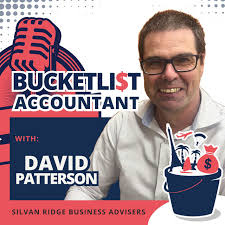
Article by
David Patterson
With more than three decades of experience helping business owners grow profitable, sustainable businesses, he focuses on one simple idea: Your business should give you a life, not take one away.
David works with small business owners who are doing okay but feel stretched, time-poor, or stuck. He helps them regain control of their numbers, build stronger systems, and create the financial freedom to start ticking off the things that matter most, now... not "someday".
He is the creator of the Bucket List Business Program, host of The Bucket List Accountant Podcast, and a passionate believer that success isn’t measured by revenue alone, it’s measured by the life your business allows you to live.
Disclaimer
“The information on this website is general in nature and is provided for information purposes only. It is not legal, financial or professional advice. You should obtain specific, independent advice relevant to your circumstances.”