


What is a Bucket List and Why You Need One: A Business Owner’s Guide to Freedom
Learn what is a bucket list and why you need one to turn your business into a vehicle for freedom. Stop feeling trapped and start living your dreams today.

What if your business was actually the biggest obstacle standing between you and the life you always promised yourself you'd lead? You started this journey for freedom, yet you likely feel more like a slave to the daily grind than ever before. Between managing cash flow and putting out fires, those dreams of travel and family time have probably taken a backseat. You might be wondering, what is a bucket list and why you need one as a serious professional. It isn't just a collection of travel photos for retirement; it's a vital strategic tool that gives your hard work a clear destination and a sense of purpose.
I've seen many owners lose their identity in their work, but your business should be a vehicle for your dreams, not a burden that consumes them. In this guide, you'll discover how a bucket list acts as the ultimate blueprint to reclaim your time and identity. We'll explore how to shift your perspective so your business finally starts running without you needing to be there every single hour. It's time to stop surviving and start building a legacy that fuels your greatest personal ambitions.
The information on this website is general in nature and is provided for information purposes only. It is not legal, financial or professional advice. You should obtain specific, independent advice relevant to your circumstances.
Key Takeaways
- Learn exactly what is a bucket list and why you need one to act as a strategic blueprint that turns your business into a vehicle for your life dreams.
- Discover how to combat founder burnout by creating a tangible reward system that focuses on what you want to live for right now.
- Explore the five pillars of a balanced life list to ensure your personal achievements include health, connection, and contribution alongside your professional success.
- Find out how to turn your vision into a reality by using cash flow forecasting to fund your milestones and schedule them into your business calendar.
The information on this website is general in nature and is provided for information purposes only. It is not legal, financial or professional advice. You should obtain specific, independent advice relevant to your circumstances.
What Exactly is a Bucket List? (Beyond the Hollywood Clichés)
Many people think of a bucket list as a morbid countdown of things to finish before they kick the bucket. This idea was popularized by the 2007 film, but for a business owner, this definition is far too narrow. Understanding what is a bucket list and why you need one requires a total shift in mindset. It isn't a list of things to do before you die; it's a collection of reasons to live, grow, and thrive right now. It's about moving from a "someday" mentality to a "today" strategy.
A true bucket list is a tangible set of experiences, achievements, and contributions. It isn't a vague wish; it's a commitment to yourself. While your business to-do list keeps the lights on, your life list keeps your soul on fire. This marks the psychological shift from being reactive to being proactive. Most business owners spend their days responding to crises, but a life list forces you to decide, with authority, what your future will look like. It allows you to design your days around milestones that actually matter to you rather than just surviving another fiscal year.
If starting from scratch feels daunting, I often suggest creating a Reverse Bucket List first. Sit down and write every amazing thing you've already achieved in your life and career. This builds the confidence you need to realize that your dreams aren't just fantasies; they're milestones you've already proven you can reach. When you look at how far you've come, the road ahead feels much less intimidating.
The Evolution of the Life List
The term has evolved significantly by 2026. In our hyper-connected digital age, intentional goal-setting is the only way to avoid drifting through life. A standard to-do list is about maintenance and obligation; it's the weight of the business. A life list is about expansion and joy—perhaps it's time to check out Adventurerz to start planning a remote camping trip that reconnects you with nature. Without this distinction, you'll spend your most productive years serving a business that doesn't serve you back. Intentionality is the new currency for the modern entrepreneur.
A bucket list is a strategic document that maps your personal fulfillment onto your professional timeline. When you truly grasp what is a bucket list and why you need one, you stop viewing your business as a cage and start seeing it as the engine. It serves as a north star for your daily grind, giving you a reason to push through the hard times. Clarity of vision significantly improves your mental well-being because you finally know exactly what you're working for.
The information on this website is general in nature and is provided for information purposes only. It is not legal, financial or professional advice. You should obtain specific, independent advice relevant to your circumstances.
The Science of Aspiration: Why Every Business Owner Needs a List
Have you ever felt like you're running on a treadmill that never stops? Most business owners struggle to plan for their future selves because of the "End-of-History Illusion." We mistakenly believe that who we are today is who we will always be, which makes it incredibly hard to imagine a life outside the office. This is exactly why understanding what is a bucket list and why you need one is a business necessity, not just a hobby. Without a list, you're prone to "Founder Burnout" because there's no clear reward system for your relentless effort. For those looking to overcome these pressures and reclaim their mental clarity, you can discover Sober Coach for professional recovery support and one-on-one coaching.
Psychologically, our brains are wired to remember uncompleted tasks better than completed ones. This is known as the "Zeigarnik Effect." When your personal dreams remain unwritten and unaddressed, they create a constant background hum of mental clutter and stress. By putting them on paper, you clear that mental space. Suddenly, your list becomes a powerful filter for your decision-making. It gives you the authority to say "no" to business opportunities that don't actually fund or facilitate your life goals.
In Warrnambool, it's common to see dedicated owners clocking 60 or 70 hours a week without a clear personal goal in sight. They've become slaves to the very thing they built for freedom. A personal list forces a change in your business structure. It demands that you build systems so the business can run without you. If you want to spend a month in Tuscany, your business strategy must focus on delegation. Partnering with an accountant for work-life balance helps you turn those high-level dreams into a functional business model.
The Motivational ROI of Dreaming
Dreaming isn't just for kids; it has a massive return on investment. Goal-achievement cycles release dopamine, which actually sharpens your focus and productivity in your professional life. There's also the power of "anticipatory joy." When you have a trip or a personal milestone booked, that excitement trickles down into your leadership style. Your team notices the difference. You aren't just a stressed manager anymore; you're a leader with a vision. Vague ideas of "success" transform into specific, measurable milestones that you can actually celebrate.
If you're ready to stop drifting, you can take the first step by assessing your current life-business balance here.
The information on this website is general in nature and is provided for information purposes only. It is not legal, financial or professional advice. You should obtain specific, independent advice relevant to your circumstances.
Designing Your Personal Blueprint: The 5 Pillars of a Great Life List
Most people make the mistake of thinking a bucket list is just a passport full of stamps. While travel is exciting, a list focused solely on overseas trips often leads to a hollow sense of achievement once the jet lag wears off. To build a life that feels as good as it looks on paper, you need a balanced framework. When you truly grasp what is a bucket list and why you need one, you see it as a blueprint for your entire existence. I recommend categorizing your dreams into five essential pillars: Travel, Contribution, Health, Learning, and Connection. This structure ensures that your business serves every part of your humanity, not just your bank account.
If you aren't sure which areas of your life are currently being neglected, using the Bucket List Scorecard is an excellent way to identify the gaps. It helps you move beyond vague ideas and into a concrete plan for personal fulfillment.
Category 1 & 2: Adventure and Contribution
Adventure is about those "Big Audacious Dreams" that push your boundaries. Maybe it's trekking through the mountains of Nepal, finally taking that year-long sabbatical, or even exploring the rich world of traditional music—you might learn more about Páraic Banjo to discover a rhythmic and soulful style that inspires your own journey. These goals keep you excited to wake up on Monday morning. However, these selfish joys should be balanced with selfless impact. We call these "Legacy Goals." Think about what you want to be remembered for in Geelong or Colac. Is it supporting a specific Warrnambool charity or perhaps mentoring the next generation of local entrepreneurs? Contribution gives your professional success a deeper, more lasting meaning.
Your health is the foundation of everything else. There's no point in building a multi-million dollar empire if you aren't healthy enough to enjoy the wealth. This pillar might include local challenges like hiking the full Great Ocean Walk or simply committing to a fitness regime that keeps you energetic. Then, look at your skills. What have you always wanted to learn? Whether it's getting your pilot license or becoming fluent in a second language, learning keeps your mind sharp and your perspective fresh. Finally, the "People" pillar focuses on connection. This could be as simple as reclaiming every Friday night for family, ensuring your pets have access to advanced care—such as when you explore Keyhole spay and gastropexy at West Gippsland Vet Care—or taking your parents on a dream holiday. These are the moments that your business is meant to fund and facilitate.
Understanding what is a bucket list and why you need one is only the first step; the second is making it a line item in your budget. Dreams need dates and dollar signs to become real. Without a financial plan, your aspirations remain "someday" fantasies. As an accountant, I see numbers as the fuel for your freedom. When you treat your life goals as non-negotiable business expenses, you stop feeling guilty about spending money on yourself. You're not just "spending" money; you're investing in the very life your business was built to support.
This is where Cash Flow Forecasting becomes your most powerful tool. It allows you to look ahead and see exactly when you'll have the surplus to fund that next big adventure. It turns a vague wish into a scheduled reality. If your list requires you to be away for three weeks, your business must be prepared. This is the best reason to finally hire that next manager. Delegation isn't just a management buzzword. It's the mechanism that buys your time back. We can also look at tax-efficient ways to fund lifestyle assets, ensuring you stay well within ATO guidelines while maximizing your personal joy.
The Financial Engine of Your Dreams
Solid Small Business Accounting provides the clarity you need to move forward with confidence. I often recommend setting up a "Bucket List Sinking Fund" within your business accounts. By setting aside a small percentage of every invoice, you build a war chest for your dreams. This aligns perfectly with a "Profit First" methodology, where your personal fulfillment is prioritized alongside your tax obligations. When the money is already there, the decision to book the flight becomes easy.
Reclaiming Your Time in Warrnambool
Time is your most precious asset. Many local owners I mentor aim to move from a five-day to a four-day work week. This shift requires strategic planning. Use your bucket list as a filter during our Business Advisory sessions. We look at every task you do and ask: can we automate, delegate, or eliminate this? If a task doesn't serve the growth of the business or the freedom of the owner, it's a candidate for removal. If you're ready to start building this engine and finally understand what is a bucket list and why you need one in a practical, financial sense, book a strategy session with me here.
The information on this website is general in nature and is provided for information purposes only. It is not legal, financial or professional advice. You should obtain specific, independent advice relevant to your circumstances.
How The Bucket List Accountant Transforms Your Vision into Reality
Most business owners are so busy keeping their heads above water that they forget why they jumped into the pool in the first place. Reclaiming your lifestyle often starts with delegating routine maintenance; for example, you can discover Pool Blitz to handle your pool servicing so you can actually enjoy your backyard. You didn't start your company to become a full-time administrator of tax obligations. You started it for freedom. Understanding what is a bucket list and why you need one allows us to reframe every technical task into a tool for your personal fulfillment. We aren't just here to file returns; we are here to ensure you reach the milestones that actually matter to you. Our coaching approach weaves your personal dreams directly into your business strategy, creating a purposeful connection between your hard work and your ultimate happiness.
The peace of mind that comes from this holistic partnership is life-changing. You can sleep better knowing that your compliance is being handled by experts who genuinely care about your joy. We take the technical burden off your shoulders so you can focus on being the visionary your business needs. It is about moving from a state of constant overwhelm to a state of empowered action. When you have a some mentor in your corner, the path to your goals becomes much clearer and more achievable.
We focus heavily on "Freedom Metrics" rather than just focusing on traditional profit metrics. Profit is the fuel, but freedom is the destination. As a mentor with decades of experience in the Warrnambool business environment, I understand the local struggles and the specific opportunities available to you. We celebrate every win with you. Whether it is reclaiming your weekends, finally taking that big trip, or completing a high-quality home renovation project where you check out WDC Services, we're right there marking the progress on your list of life achievements. This isn't just about technical compliance; it's about a shared mission to improve your well-being and help you live a life without regrets.
You don't have to figure this out alone. Take these simple, actionable steps to start your journey toward a more meaningful life and a business that serves you:
- Step 1: Take the Bucket List Scorecard to see where you currently stand and identify your gaps.
- Step 2: Book a Work With Me discovery call to explore how we can align your business with your dreams.
- Step 3: Watch our YouTube Channel for regular inspiration and practical advice on balancing life and work.
If you are ready for a deeper dive into your specific situation, schedule a Strategy Session today. Let's start building your blueprint together.
The information on this website is general in nature and is provided for information purposes only. It is not legal, financial or professional advice. You should obtain specific, independent advice relevant to your circumstances.
Reclaim Your Time and Rewrite Your Future
You've worked incredibly hard to build your business, but it's time to ensure that business is working for you. We've explored how a life list serves as more than just a dream journal; it's a strategic blueprint for your freedom. By balancing the five pillars of adventure, contribution, health, learning, and connection, you create a life that's rich in every sense of the word. Now that you truly understand what is a bucket list and why you need one, you can stop treating your personal joy as an afterthought and start making it a non-negotiable part of your financial plan.
As Warrnambool’s leading mentor-accountant, I have a proven track record of helping owners reclaim 10+ hours a week by redefining what professional services can achieve. We don't just count the beans; we help you plant the seeds for your greatest life milestones. You deserve a partner who cares as much about your joy as they do about your compliance. Your future self will thank you for the decisions you make today. Let's start ticking those items off your list together.
Ready to design a business that funds your life? Book your Strategy Session today.
The information on this website is general in nature and is provided for information purposes only. It is not legal, financial or professional advice. You should obtain specific, independent advice relevant to your circumstances.
Frequently Asked Questions
Is it too late to start a bucket list if I am already in my 50s?
It is never too late to start, and your 50s are actually an ideal time. You likely possess more wisdom and resources now than you did decades ago. Grasping what is a bucket list and why you need one at this stage of life is about shifting from the "building phase" to the "legacy phase." This might include finally organizing family archives or ensuring your most precious heirlooms are professionally preserved by Bancrofts Dry Cleaning. It ensures your next decades are defined by your personal dreams rather than just your professional obligations.
Finding time starts with the realization that your business must serve you, not the other way around. If you are working 60 hours, we use your list as a strategic filter to identify what to automate, delegate, or eliminate. This shift in perspective turns your bucket list into the primary driver for business efficiency. It provides the necessary "why" to finally step back and reclaim your calendar.
Can I really use my business to fund my personal travel and dreams?
Absolutely, your business is meant to be the financial vehicle for your life’s greatest ambitions. By integrating tax strategies and smart cash flow forecasting, we can turn your personal milestones into planned business outcomes. This isn't about cutting corners; it's about using sound accounting principles to fund your lifestyle assets legitimately. When your business is healthy, it should naturally provide the resources for your travel and personal contributions. Additionally, for those looking to boost their funds quickly, liquidating personal assets like old jewelry through a trusted provider such as Gold Buyers Sydney CBD can provide the immediate capital needed to start ticking off your first milestones.
What are some simple bucket list items I can start with today?
You don't need a plane ticket to start. Simple items like reclaiming your Friday nights for family or finally reading those ten books on your shelf are perfect starting points. Understanding what is a bucket list and why you need one is about identifying what brings you joy today. You could even start locally by hiking the trails around Warrnambool, volunteering for a morning at a community charity, or if you're visiting Brisbane, treating yourself to a fresh, locally sourced breakfast at The White Bird to build immediate momentum.
You definitely don't need a massive windfall to begin living your list. Many of the most rewarding goals involve connection, learning, or health, which often require more time than money. By setting up a dedicated sinking fund in your business accounts or even selling off an old, unused vehicle to Rapid Car Removal for an immediate cash boost, you can start small and build momentum. The key is to stop waiting for a "perfect" financial future and start making small, intentional investments in your joy right now.
Your list is a living blueprint, so you should feel free to update it whenever your priorities change. We recommend a formal review at least once a year, perhaps during your annual strategy sessions. As you grow and your business evolves, some old dreams might lose their spark while new ones emerge. Keeping your list fresh ensures that your daily professional grind is always pointed toward a destination that still excites you.
What happens if I never finish everything on my list?
The true value of the list is the direction it gives your life, not just the checkmarks. If you never finish every single item, you have still lived with more purpose and intention than most. The process of pursuing these goals transforms your business from a burden into a vehicle for growth. It’s about the journey and the experiences you gather along the way, ensuring you live a life without regrets.
The information on this website is general in nature and is provided for information purposes only. It is not legal, financial or professional advice. You should obtain specific, independent advice relevant to your circumstances.
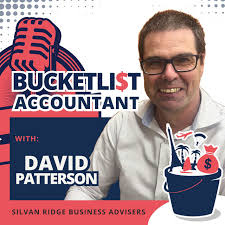
Article by
David Patterson
With more than three decades of experience helping business owners grow profitable, sustainable businesses, he focuses on one simple idea: Your business should give you a life, not take one away.
David works with small business owners who are doing okay but feel stretched, time-poor, or stuck. He helps them regain control of their numbers, build stronger systems, and create the financial freedom to start ticking off the things that matter most, now... not "someday".
He is the creator of the Bucket List Business Program, host of The Bucket List Accountant Podcast, and a passionate believer that success isn’t measured by revenue alone, it’s measured by the life your business allows you to live.
Disclaimer
“The information on this website is general in nature and is provided for information purposes only. It is not legal, financial or professional advice. You should obtain specific, independent advice relevant to your circumstances.”

Business Coaching Geelong: Compare Approaches for Your 2026 Lifestyle Goals
Find the right business coaching Geelong to fund your dreams. Compare coaching styles to build a business that serves your life & hit your 2026 lifestyle goals.

What if your business was actually the engine that funded your dreams, rather than the anchor holding you back from them? You've worked incredibly hard to build your reputation in Victoria's fastest-growing job market, yet you might still feel like the primary bottleneck in your own operations. It's a common struggle; having the revenue to succeed but lacking the personal freedom to enjoy it. You deserve a business that runs smoothly even when you're off the grid.
Finding the right business coaching Geelong partner is about more than just scaling your turnover. It's about aligning your professional strategy with your personal bucket list. In this article, we compare different coaching approaches to help you move toward a four-day work week and gain the financial clarity needed to fund your biggest life goals. We'll explore how a mentor who understands both tax strategy and lifestyle design can help you transition from being overwhelmed to achieving true personal milestones by 2026. Let's look at how to build a business that finally serves your life.
The information on this website is general in nature and is provided for information purposes only. It is not legal, financial or professional advice. You should obtain specific, independent advice relevant to your circumstances.
Key Takeaways
- Understand why Geelong business owners are moving away from traditional hustle culture toward a lifestyle design model that prioritizes your time.
- Compare the differences between profit-first and lifestyle-led business coaching Geelong to find an approach that funds your personal dreams.
- Identify the five essential criteria for choosing a mentor, including the importance of local market knowledge and deep financial literacy.
- Discover how cash flow forecasting bridges the gap between big business ideas and the bank balance needed for your bucket list.
- Learn how to work backwards from your personal goals to create a business strategy that supports a four-day work week.
The information on this website is general in nature and is provided for information purposes only. It is not legal, financial or professional advice. You should obtain specific, independent advice relevant to your circumstances.
Beyond the Grind: Why Geelong Business Owners are Redefining Success in 2026
Geelong is currently Australia's fastest-growing job market, but for many local business owners, this growth feels like a double-edged sword. You've likely seen the revenue climb, yet your personal freedom seems to be shrinking. The old "hustle culture" that once defined success in regional Victoria is fading. In its place, a new movement is rising: lifestyle design. This shift isn't about working less because you're lazy; it's about working smarter so your business finally serves your life goals.
Traditional KPIs like gross profit and annual turnover are still important, but they don't tell the whole story. If you're hitting your financial targets but haven't had a proper holiday in three years, are you really winning? This is the "Geelong Trap." You live minutes away from the Surf Coast, yet you only see the beach from your office window. Engaging in business coaching that prioritizes your humanity over just your balance sheet is the first step toward breaking this cycle. It's time to stop being an employee of your own creation and become a true owner.
The Cost of Being the 'Everything' Person
When you act as the primary bottleneck in your business, you aren't just slowing down growth; you're sacrificing your personal milestones. Every time you stay late to fix a problem that a system should have handled, you're stealing time from your "Bucket List." The emotional toll of missing family dinners or delaying that dream trip to the Kimberley for another EOFY is heavy. If you feel like the business would collapse if you took a week off, it's a clear sign the business owns you. You can identify these friction points quickly by using a Scorecard to see where your operations are draining your energy.
Defining Success on Your Own Terms
Success in 2026 looks different than it did a decade ago. It's measured in "Freedom Metrics," such as how many days a week you can spend away from your desk while the business continues to thrive. Aligning your professional strategy with your personal values isn't a luxury; it's a necessity for long-term resilience. A business coaching Geelong approach that focuses on lifestyle wins might mean setting a goal for a four-day work week or automating your cash flow management to fund your next big adventure. These aren't just dreams; they're manageable plans that start with a shift in your financial architecture.
The information on this website is general in nature and is provided for information purposes only. It is not legal, financial or professional advice. You should obtain specific, independent advice relevant to your circumstances.
Comparing Business Coaching Models: Profit-Driven vs. Lifestyle-Led
Choosing a mentor is a pivotal decision that shapes your daily reality. In the vibrant market of business coaching Geelong, you'll generally encounter two distinct philosophies. One treats your business like a high-performance engine designed for maximum speed; the other treats it as a vehicle designed to take you exactly where you want to go. Understanding which model aligns with your 2026 goals is the difference between building a bigger prison or a genuine path to freedom.
The Profit-Driven Coach (The Traditional Path)
This model focuses heavily on the "more is better" philosophy. These coaches are often experts in sales tactics, aggressive marketing funnels, and rapid scaling. While the revenue potential is high, this approach frequently comes with an increased management burden. You might see your bank balance grow, but you'll likely find yourself working longer hours to manage the new complexity. This model makes sense if your primary goal is a high-value exit, but it often ignores the personal cost of that growth.
The Lifestyle-Led Coach (The Bucket List Path)
For entrepreneurs who are redefining success, the lifestyle-led model is a breath of fresh air. Instead of asking "how much can we make?", this approach asks "what life do you want to live?". It prioritises delegation, automation, and freedom-first planning. By focusing on your time as your most valuable asset, this model ensures that personal achievements are baked into the business strategy. It's about creating a business that runs smoothly without you, allowing you to tick off those long-held ambitions.
Many mentors miss the mark because they separate business advice from financial reality. You can't plan a four-day work week if you don't understand your tax minimisation options or how your cash flow fluctuates throughout the year. When evaluating business coaching Geelong options, look for "Accountable Coaching." This ensures your coach understands both your dreams and your balance sheet. When strategy and accounting work together, every business move is grounded in what you can actually afford to do. This synergy turns big ideas into tangible life experiences. If you're ready to see how your business measures up against your life goals, you can check your scorecard today to identify where you can reclaim your time.
The information on this website is general in nature and is provided for information purposes only. It is not legal, financial or professional advice. You should obtain specific, independent advice relevant to your circumstances.
5 Essential Criteria for Choosing a Geelong Business Coach
Selecting a partner for business coaching Geelong is a decision that ripples far beyond your office walls. It affects your family time, your stress levels, and your ability to finally book that trip you've been putting off. You need a mentor who sees your business as a tool for your life, not a replacement for it. To find that "Wise Mentor" who can actually help you step back, you must look for specific traits that go deeper than surface-level motivation.
- Local Knowledge: Do they understand the unique pulse of the Surf Coast and the fast-growing Geelong job market?
- Financial Depth: Can they actually read your balance sheet, or do they just offer generic "hustle" advice?
- Holistic Focus: Do they ask about your "Bucket List" goals as often as they ask about your quarterly turnover?
- Proven Frameworks: Do they provide actionable blueprints for delegation, or are you just getting another motivational speech?
- Personal Connection: Do you feel heard and empowered, or are you being pushed into a high-pressure sales funnel?
Financial Literacy as a Coaching Requirement
A coach without accounting insight is only seeing half the picture. It's dangerous to scale a business if you have underlying cash flow issues or a tax structure that doesn't support your personal goals. Your coach should be able to explain how a growth strategy will affect your tax position and your ability to pay yourself a "freedom wage." While business advisory takes many forms, including the structured mentoring programs often highlighted by U.S. Small Business Administration resource partners, your local coach must bridge the gap between big ideas and your specific Victorian financial obligations. If they can't discuss your cash flow forecasting, they can't help you plan your exit from the daily grind.
The Local Advantage in Regional Victoria
Regional Victoria has a specific rhythm that "Big City" coaches often fail to grasp. Navigating the Geelong to Warrnambool corridor requires an understanding of local networking, regional supply chains, and the lifestyle expectations of our community. A local coach understands that your goal might not be global domination, but being the most respected operator in town with the freedom to hit the beach by 3 PM on a Friday. This local edge allows for more relevant, grounded advice that respects your desire for a balanced life. If you're unsure where to start, taking a few minutes to evaluate your business through a lifestyle lens can provide the clarity you need to choose the right guide.
The information on this website is general in nature and is provided for information purposes only. It is not legal, financial or professional advice. You should obtain specific, independent advice relevant to your circumstances.
Bridging the Gap: Why Financial Clarity is the Missing Link in Coaching
Many business owners find themselves inspired after a session with a mentor, only to feel a sense of dread when they look at their bank balance the next day. There's often a massive disconnect between big ideas and the actual cash required to execute them. If your coach is pushing for a 20% increase in sales but hasn't looked at your margins or your upcoming tax obligations, they aren't helping you build freedom; they're helping you build a bigger headache. True business coaching Geelong must be grounded in financial reality. You don't want a coach who just motivates you to run faster on a treadmill that isn't going anywhere. You want a guide who ensures every step forward is actually increasing your personal wealth and time.
Compliance often feels like the boring part of running a company, but it's actually the essential foundation of your freedom. When your books are in order and your tax strategies are proactive rather than reactive, you stop playing defense. This financial clarity allows you to transition from hoping you can afford a lifestyle change to knowing exactly when and how you'll fund it. Effective tax minimisation isn't just about saving money; it's about reclaiming the resources you need to live your life. It's about turning your business into a predictable machine that serves your personal ambitions rather than an all-consuming monster that demands every spare cent.
Cash Flow: The Oxygen for Your Dreams
Think of your cash flow as the fuel for your journey. Without a clear view of the road ahead, you're driving blind. By mastering cash flow forecasting in 2026, you can identify hidden profit that might currently be leaking out of your operations. This real-time monitoring gives you the confidence to say yes to life experiences, whether that's a spontaneous family getaway or finally investing in that hobby you've neglected. You shouldn't have to wait until the end of the financial year to know if you can afford to tick something off your list. Peace of mind comes from seeing the numbers align with your dreams every single month.
Strategy Without Numbers is Just a Wish
A five-year vision is a beautiful thing, but it needs a 12-month financial roadmap to become real. This is where small business accounting acts as the engine behind your goals. It validates your coaching objectives, ensuring that aggressive growth doesn't accidentally trigger a tax nightmare that wipes out your gains. When you align your accounting with your coaching, you create a purposeful connection between every dollar earned and every item ticked off your list. It's the difference between guessing your way through business and moving forward with absolute confidence. If you're ready to stop guessing and start growing with purpose, you can book a strategy session to see the numbers behind your vision.
The information on this website is general in nature and is provided for information purposes only. It is not legal, financial or professional advice. You should obtain specific, independent advice relevant to your circumstances.
Designing Your Future: How The Bucket List Accountant Fuses Strategy with Soul
Most traditional advisors look at your business as a series of spreadsheets and tax obligations. While those numbers are vital, they don't capture the reason you started this journey in the first place. My approach to business coaching Geelong is built on the belief that your professional life should be the engine that powers your personal soul. It's about combining decades of industry experience with a bit of good old-fashioned Australian grit to help you build something that lasts. We don't just aim for a better bottom line; we aim for a better life. This is the "Wise Mentor" philosophy, where your success is measured by the milestones you reach outside of the office.
The process starts by looking at your "Bucket List" first. We identify the travel, the family time, and the personal achievements you've been shelving for "someday." Once we have that vision, we work backwards to the business. We look at how your current operations can be restructured to fund those dreams. By using the Bucket List Scorecard, we can benchmark your current freedom and performance. This method highlights exactly where your business is draining your time and where we can implement systems to give it back to you. It's a transition from being an overwhelmed operator to becoming a purposeful owner who hits their targets with confidence.
Your First Strategy Session: What to Expect
When we sit down for your first session, don't expect a dry lecture on tax law. We'll dive deep into your personal aspirations before we ever touch the numbers. I want to know what makes you tick and what a "perfect week" looks like for you in 2026. We then identify the low-hanging fruit in your business, those small but impactful changes that can lead to immediate time-savings. There's no complex jargon here, just clear paths to a better life in Geelong. You'll walk away with a sense of hope and a practical plan to stop being the bottleneck in your own success.
Next Steps: Reclaim Your Weekends
You've spent enough time feeling like your business owns you. It's time to take control and start redefining success on your own terms. The first step is simple: see where you stand. Taking the Bucket List Scorecard will give you immediate clarity on your "Freedom Metrics." From there, you can book a strategy session for a 2026 reset. Let's look at your cash flow, your tax strategies, and your dreams as one cohesive plan. You deserve a business that supports your life, not one that consumes it. Let's start building your ultimate freedom today.
The information on this website is general in nature and is provided for information purposes only. It is not legal, financial or professional advice. You should obtain specific, independent advice relevant to your circumstances.
Your Path to a 2026 Bucket List Life Starts Today
You've seen how the right approach to business coaching Geelong can transform your relationship with your work. Success isn't just a healthy balance sheet; it's the freedom to enjoy the Surf Coast and spend time with those who matter most. By bridging the gap between big strategy and real-time financial clarity, you can stop being the bottleneck in your operations. It's time to move beyond the daily grind and start measuring your progress through "Freedom Metrics" that actually mean something to your family.
Are you ready to design a business that finally serves your life? Take the Bucket List Scorecard today to find your freedom gaps and see exactly where you stand. You can also watch our latest strategy tips on YouTube for more inspiration. Don't let another year pass without ticking off a major personal milestone. Believe in your vision; you have the grit and the tools to make it happen.
Ready to design a business that serves your life? Work with me today.
The information on this website is general in nature and is provided for information purposes only. It is not legal, financial or professional advice. You should obtain specific, independent advice relevant to your circumstances.
Frequently Asked Questions
What is the difference between a business coach and a business mentor in Geelong?
A business coach typically focuses on specific performance targets and structured systems to improve your operations. A mentor provides a broader, wisdom-based perspective, often sharing personal anecdotes from decades of industry experience. For Geelong owners, the best results often come from a blend of both. This ensures you have the technical blueprints for growth while feeling supported by someone who understands the emotional weight of being a business owner.
How much does business coaching in Geelong typically cost?
The cost of professional guidance in the region depends on whether you choose group programs or intensive one-on-one strategy. While rates vary across Victoria, the focus should always be on the return on investment. This isn't just about extra profit; it's about the value of your time and the ability to fund your personal milestones. Most owners find that effective strategy pays for itself by identifying hidden efficiencies and tax minimisation opportunities.
Can a business coach help me if I'm already working 60 hours a week?
If you're working 60 hours a week, you're the exact person who needs support. A coach helps you identify where you've become the bottleneck and creates a plan to delegate or automate those tasks. The goal is to move you away from the daily grind and toward a business that runs smoothly without you. This shift is essential for reclaiming your weekends and finally focusing on your personal bucket list items.
Do I need an accountant or a business coach for my small business?
Most small businesses benefit from both, but the magic happens when these roles overlap. An accountant ensures your compliance and tax strategies are solid, while a coach helps you design a lifestyle-led roadmap. Choosing a partner who offers a fusion of accounting and business coaching Geelong ensures your big ideas are always backed by real-time financial data. This prevents growth from accidentally creating a tax nightmare or a cash flow crisis.
How long does it take to see results from lifestyle-led business coaching?
You can often identify immediate time-saving wins within the first few strategy sessions. However, the transition to a fully lifestyle-led business usually takes 6 to 12 months of consistent implementation. This timeframe allows you to build robust systems and clear freedom metrics. It's a methodical journey that turns grand visions into manageable, short-term actionable plans, eventually giving you the financial clarity to say yes to life's major adventures.
What industries do Geelong business coaches usually specialise in?
Geelong coaches work across a diverse range of sectors, from the booming construction and trade industries to professional services and retail. Most lifestyle-led coaching isn't restricted to a single niche because the principles of delegation, cash flow forecasting, and owner freedom are universal. Whether you're running a local boutique or a regional service firm, the focus remains on making the business serve your life rather than the other way around.
Is business coaching tax-deductible for small business owners in Australia?
In Australia, business coaching is generally tax-deductible if it's used to maintain or increase your current income. It's typically categorized as a business management or professional development expense. This makes the investment in your future even more accessible for small business owners. However, you should always check the specific details of your situation with a professional to ensure you're maximising your tax strategies while staying compliant with the latest regulations.
How do I know if I'm ready for coaching or if I just need a better bookkeeper?
If your primary stress is simply not knowing your numbers, you might just need a better bookkeeper. However, if you have financial clarity but still feel trapped and unable to enjoy your success, you're ready for business coaching Geelong. Coaching is for those who want to move beyond technical compliance and start using their business as a tool for personal fulfillment and the achievement of long-held life ambitions.
The information on this website is general in nature and is provided for information purposes only. It is not legal, financial or professional advice. You should obtain specific, independent advice relevant to your circumstances.
Article by
David Patterson
With more than three decades of experience helping business owners grow profitable, sustainable businesses, he focuses on one simple idea: Your business should give you a life, not take one away.
David works with small business owners who are doing okay but feel stretched, time-poor, or stuck. He helps them regain control of their numbers, build stronger systems, and create the financial freedom to start ticking off the things that matter most, now... not "someday".
He is the creator of the Bucket List Business Program, host of The Bucket List Accountant Podcast, and a passionate believer that success isn’t measured by revenue alone, it’s measured by the life your business allows you to live.
Disclaimer
“The information on this website is general in nature and is provided for information purposes only. It is not legal, financial or professional advice. You should obtain specific, independent advice relevant to your circumstances.”

Preparing a Business Plan for a Bank Loan: Your Roadmap to Freedom in 2026
Ready to fund your dream life? Learn how preparing a business plan for a bank loan is your roadmap to securing the funds you need for true freedom.

What if the daunting task of preparing a business plan for a bank loan wasn't a hurdle, but the first real step toward ticking off your ultimate bucket list? It's completely normal to feel overwhelmed by complex financial terminology or the fear that a "no" from the bank means a "no" to your future. You've likely felt like your business is consuming your personal life lately, leaving little room for the adventures you originally started this journey to fund.
I understand that stress because I've seen it many times before. This guide will show you how to craft a professional, loan-ready roadmap that secures the funding you need while ensuring your business serves your life, not the other way around. We will walk through accurate cash flow forecasting, the reality of the 4.35% RBA cash rate in late 2026, and the specific strategies to gain financial peace of mind. By the end, you'll have the confidence to present a growth strategy that turns your professional burden into a vehicle for personal freedom.
The information on this website is general in nature and is provided for information purposes only. It is not legal, financial or professional advice. You should obtain specific, independent advice relevant to your circumstances.
Key Takeaways
- Reframe your loan application as a strategic blueprint designed to fund your dream lifestyle and achieve your personal bucket list goals.
- Master the essential elements of preparing a business plan for a bank loan to stand out to Australian lenders in today’s competitive market.
- Gain a competitive edge by understanding the "5 Cs of Credit" and showing banks you have a clear plan for managing debt and mitigating risk.
- Learn how to create a 12-month cash flow forecast that provides financial clarity and proves your business's ability to support your growth.
- Discover how professional coaching and advisory can fast-track your approval and replace confusion with total confidence in your strategy.
The information on this website is general in nature and is provided for information purposes only. It is not legal, financial or professional advice. You should obtain specific, independent advice relevant to your circumstances.
Beyond the Paperwork: Reframing Your Loan Application as a Lifestyle Catalyst
Most business owners view a loan application as a necessary evil, a mountain of paperwork required to satisfy a faceless institution. If you approach preparing a business plan for a bank loan as a mere compliance task, you're missing the most important part: your own inspiration. A dry, technical document might get you the funds, but it won't help you wake up excited on a Monday morning. We need to flip the script and see this document as the blueprint for your dream life.
A traditional business plan often focuses exclusively on the "how" and the "how much," leaving the "why" in the shadows. By adopting a "Bucket List" approach, you start with the personal freedom you want to achieve. Are you looking for the capital to expand so you can finally step back and spend three weeks exploring the Great Ocean Road with your family? When your financial strategy is an enabler for your life goals, the anxiety of taking on debt transforms into the excitement of building a bridge to your future.
Why Your Personal Goals Belong in Your Business Strategy
Your business is a tool, not a destination. When you define the specific lifestyle you want to fund, every financial milestone becomes a marker of personal progress. Banks across Australia, from the majors to regional lenders in Warrnambool, actually prefer owners who demonstrate a clear, long-term vision. They aren't just looking at your balance sheet; they're looking for a leader who knows exactly where the ship is headed. Connecting your cash flow targets to personal bucket list achievements makes the numbers feel real. It turns a boring spreadsheet into a scorecard for your success.
Alleviating the Fear of "The Big Bank Rejection"
The fear of rejection often stems from a lack of clarity. It's helpful to remember that banks are in the business of lending. They want to say "yes" because that's how they grow their own books. When you're preparing a business plan for a bank loan with total precision, you aren't begging for a favour. You're presenting a professional partnership opportunity. Having a mentor by your side helps bridge the gap between your passion and the lender's technical requirements. This level of preparation gives you the leverage to negotiate better terms and move forward with the confidence that you're in control of the conversation.
The information on this website is general in nature and is provided for information purposes only. It is not legal, financial or professional advice. You should obtain specific, independent advice relevant to your circumstances.
The Essential Components of a Loan-Ready Business Plan
Your executive summary is more than a recap; it's your 30-second elevator pitch for freedom. If a lender only reads this page, they should clearly see how your business thrives and how the loan facilitates that growth. When you're preparing a business plan for a bank loan, you must be specific about your local footprint. Whether you're operating in the heart of Warrnambool or the expanding suburbs of Geelong, your business description needs to highlight your unique place in the regional Victorian market. Banks want to see that you aren't just another shopfront, but a vital part of the local economy with a loyal customer base.
For example, a regional landscaping or earthmoving business can strengthen its application by detailing strategic partnerships with equipment specialists like Ladbrokes Hire, illustrating a clear plan for managing project-based assets efficiently.
This logic also applies to site logistics; for instance, referencing a professional waste management strategy like that of skipbinguys.com.au demonstrates to a lender that you have considered every overhead in your project lifecycle.
The operational plan is where your personal dreams meet professional reality. This section should demonstrate how the business runs without you being there 24/7. Lenders look for "key person risk," which is a fancy way of saying they worry the business will fail if you take a holiday. By documenting your systems and processes, you prove to the bank that the business is a stable asset. More importantly, you're proving to yourself that you can eventually step away to enjoy those bucket list adventures while the business continues to generate cash flow.
A well-maintained workspace is a key component of a professional operational plan, ensuring your business environment remains productive and welcoming for clients. To keep your premises in top condition, you can visit Best Carpet Steam Cleaning Melbourne for expert residential and commercial cleaning support.
In addition to internal processes, demonstrating that your business can withstand technical disruptions is vital. For instance, Aspire Computing helps small businesses develop continuity plans that protect critical IT systems, showing lenders you have considered all aspects of operational risk.
Marketing and Sales Strategy for Local Growth
Identifying your most profitable customer segments in regional Victoria is key to a sustainable revenue model. Don't try to be everything to everyone. Focus on the clients who value your expertise and provide the best margins. In 2026, a clear digital presence isn't optional. Your plan should outline how you use online tools to reach local customers, showing the bank that your marketing strategy is modern, scalable, and effective. This clarity helps move your mindset from just "getting by" to "strategic growth."
Management and Personnel: Building Your Support Team
Banks love to see a business that isn't a "one-man show." Your plan should detail your current team and your strategy for future hires. This isn't just about payroll; it's about reclaiming your weekends and building a legacy. Highlighting the expertise of your external advisors, such as your business coach or specialist accountant, adds significant weight to your application. It shows you've surrounded yourself with wisdom and experience. If you're curious about how your current strategy stacks up, checking your business's loan readiness can provide immediate clarity on where to focus your efforts next.
The information on this website is general in nature and is provided for information purposes only. It is not legal, financial or professional advice. You should obtain specific, independent advice relevant to your circumstances.
Deciphering the Bank’s Perspective: What Australian Lenders Really Want to See
Banks aren't mysterious enigmas; they're businesses that manage risk. When you're preparing a business plan for a bank loan, you need to speak their language. Lenders use a framework called the "5 Cs of Credit" to decide if you're a safe bet. This includes your Character (reputation), Capacity (ability to repay), Capital (your personal investment), Collateral (assets for security), and Conditions (the economic climate, like the current 4.35% RBA cash rate).
Showing the bank you've planned for "Plan B" builds instant trust. They want to see that if your primary strategy hits a snag, you won't leave them in the lurch. Professional financial statements prepared by an expert provide this credibility immediately. It moves your application from a pile of "maybe" to a confident "yes." Having this level of detail shows you have real skin in the game and are serious about your success. If the process feels daunting, connecting with a mentor can help you translate your passion into the technical language bankers love to see.
Capacity to Repay: The Number One Bank Priority
Lenders assess your capacity to service debt more than anything else. There's a big difference between the profit on a tax return and the actual cash flow available for repayments. Bankers look for a healthy debt service cover ratio. They want to see realistic, grounded projections rather than over-optimistic "hockey stick" graphs. Proving you can pay the interest even if growth is slower than expected demonstrates true financial maturity.
To accurately demonstrate this repayment capacity, business owners must rely on precise financial data. Professional support from mcconnellbookkeeping.com can help by providing monthly bank reconciliations and the detailed financial statements that lenders use to verify your debt service ratio.
Collateral and Security in the Australian Market
In 2026, most small business loans in Australia still require some form of security, often involving commercial assets or residential property. For those leveraging real estate, a premier agency like Regal Gateway Property can provide the professional management and valuation insights needed to understand your asset position. Understanding the implications of personal guarantees is vital before you sign. You want your business to fund your bucket list adventures, not put your family home at risk. A solid plan helps you structure finance to protect your personal assets while giving your business room to grow.
The information on this website is general in nature and is provided for information purposes only. It is not legal, financial or professional advice. You should obtain specific, independent advice relevant to your circumstances.
Step-by-Step: Preparing Your Financial Forecasts and Strategy
Gathering your historical data is the first step in building a bridge of trust with your lender. Banks use your past performance as a predictor of future success, so presenting three years of clean, professional financial records shows you have a handle on your numbers. When you're preparing a business plan for a bank loan, this foundation allows you to move into the strategic part of the process: projecting where you're going. Setting up your Balance Sheet correctly ensures your business remains solvent, while Profit and Loss projections help you and the bank understand your expected margins and the health of your operations.
For SMEs looking to streamline this process, partnering with a professional service like K Cloud Accounting Pte Ltd ensures that your bookkeeping and accounting are handled with precision, providing the clean records that lenders demand.
The Power of Cash Flow Forecasting
Cash flow is the most important page in your document. It's the literal engine of your business. In regional areas like Warrnambool and Geelong, retail and tourism cycles can create significant peaks and troughs throughout the year. Your forecast must account for these seasonal dips to ensure you always have enough liquidity to meet your obligations. I've written extensively about Mastering Cash Flow Forecasting in 2026, which provides a detailed roadmap for aligning these numbers with your bucket list life. A realistic 12-month forecast proves you aren't just guessing; you're planning for every scenario to keep your dreams on track.
Sensitivity Analysis: Preparing for the Unexpected
Testing your plan against potential challenges is a hallmark of a great business leader. What happens if sales drop by 10% next quarter? How would your business handle a shift in interest rates if the RBA moves beyond the current 4.35%? Sensitivity analysis is a tool for financial peace of mind that allows you to identify risks before they become crises. When preparing a business plan for a bank loan, showing the bank that you've built a buffer into your strategy demonstrates that you're prepared for the unexpected. This level of foresight makes your application incredibly persuasive and gives you the confidence to take the next step.
This level of foresight should also include a comprehensive risk management strategy; for example, consulting with business insurance brokers qld can ensure your enterprise is protected against liabilities that might otherwise concern a lender.
Ready to move from feeling overwhelmed to totally confident in your growth strategy? You can book a strategy session to get expert help with your forecasts today.
The information on this website is general in nature and is provided for information purposes only. It is not legal, financial or professional advice. You should obtain specific, independent advice relevant to your circumstances.
Moving Forward with Confidence: How a Financial Mentor Simplifies the Process
Many business owners get stuck in a cycle of "thinking about it" without ever taking the leap. You might spend months worrying about the technicalities of preparing a business plan for a bank loan, but you don't have to carry that burden alone. There's a profound difference between a compliance accountant, who focuses on past tax obligations, and a business coach, who helps you build a roadmap for the future. By partnering with a mentor, you can fast-track your loan approval. They know exactly what Australian lenders are looking for in 2026. This professional advisory ensures your application is polished, professional, and persuasive from the very first page.
For those looking at the bigger picture, such as eventual expansion or a business sale, you can explore M&A Advisory to see how expert valuation services can help you plan for these major milestones and secure your financial future.
Letting an expert handle the heavy lifting of financial modeling is the fastest way to reclaim your time. You didn't start your business to spend your weekends wrestling with complex spreadsheets or trying to figure out if your debt service ratio is high enough. You started it for freedom. When you outsource the technical parts of preparing a business plan for a bank loan, you can focus on what you do best: running your business and planning your next adventure. For business owners in South Australia, SA Business Coaching offers the one-on-one mentoring needed to navigate these financial hurdles. It's about moving from a professional burden to a solution that funds your personal milestones.
Designing a Business That Works for You
Your business should be the engine that funds your life, not a source of constant stress. Identifying hidden profit leaks is a key part of any strategy session. It's about making sure every dollar you borrow is working toward your long-term vision. If you aren't sure where to start, Choosing the Best Business Advisory Services in Warrnambool is a great place to begin your research. I also encourage you to take the Bucket List Scorecard to see exactly how your current strategy aligns with your personal milestones. This clarity is the first step toward financial peace of mind.
Your Next Action Step
Don't let the fear of complex numbers or bank rejection stop you from chasing your dreams. The transition from being overwhelmed to feeling empowered starts with a single conversation. You can book a discovery call today to discuss your goals and how we can make your loan application a success. Your future self will thank you for taking this step today. Imagine marking off that first big achievement on your list because you had the courage to move forward with a solid plan.
The information on this website is general in nature and is provided for information purposes only. It is not legal, financial or professional advice. You should obtain specific, independent advice relevant to your circumstances.
Take the First Step Toward Your Bucket List Future
Your journey from feeling overwhelmed to operating with total financial clarity starts with a shift in perspective. By reframing your loan application as a blueprint for your dream lifestyle, you've already done the hardest part. You now understand that a robust cash flow forecast is the engine of your success, and that Australian lenders are looking for partners who lead with vision and strategy. Preparing a business plan for a bank loan doesn't have to be a solo struggle that consumes your personal life.
As a small business specialist in Warrnambool and Geelong, I focus on lifestyle-focused business coaching that delivers real results. With decades of industry experience, I can help you find the financial clarity you need to move forward with confidence. Are you ready to stop worrying about the "what-ifs" and start marking progress on your list of life achievements? Ready to secure your business future? Book your strategy session today. Your future self is waiting for you to take this leap. Let's build a business that serves your life, starting right now.
The information on this website is general in nature and is provided for information purposes only. It is not legal, financial or professional advice. You should obtain specific, independent advice relevant to your circumstances.
Frequently Asked Questions
Do I really need a business plan for a small bank loan in 2026?
Yes, Australian lenders like NAB and Westpac almost always require a formal document for business finance. This requirement applies even for smaller facilities because banks need to assess your capacity to manage debt in a 4.35% cash rate environment. Think of it as a professional courtesy that shows you’re serious about your growth. It’s the first step toward turning a professional burden into a lifestyle catalyst.
How long should a business plan for a bank loan be?
A concise, high-impact plan of 10 to 20 pages is usually ideal for most lenders. Bankers are busy people; they value a sharp executive summary and clear financial tables over a massive document filled with fluff. Focus on delivering the essential components with precision. Your goal is to provide enough detail to build trust without making the reader feel overwhelmed by unnecessary information.
Can I write my own business plan or do I need an accountant?
You can certainly draft the vision yourself, but having a professional advisor handle the financial modelling is a smart move. While you are the expert on your business, an accountant ensures the technical data meets bank standards. This collaborative approach, often involving experienced firms like Fair View Accounting Services, allows you to focus on your "Why" while experts handle the "How much," fast-tracking your approval and giving you total peace of mind.
What is the most important part of a business plan for a lender?
The cash flow forecast is arguably the most critical section for any Australian lender. This document proves you have the liquidity to service interest and principal repayments comfortably. When preparing a business plan for a bank loan, you must show that your revenue model is sustainable and scalable. It’s the engine that drives the bank’s decision and, ultimately, the engine that funds your dream life.
What happens if my business plan shows I can’t afford the loan yet?
Seeing that a loan isn’t affordable yet is a valuable insight that protects your financial future. It’s an opportunity to pause and use a strategy session to identify profit leaks or refine your operations. Instead of feeling rejected, use this data to build a stronger foundation. Your future self will thank you for making a grounded decision rather than risking your personal assets too early.
How often should I update my business plan after the loan is approved?
You should treat your business plan as a living document and update it at least once every twelve months. Regular reviews allow you to adjust for interest rate changes or shifts in the Warrnambool and Geelong markets. Keeping your roadmap current ensures you stay on track toward your personal bucket list goals. It’s about maintaining a strategic growth mindset long after the initial funding is secured.
What documents do I need to attach to my business plan for the bank?
You must attach three years of historical financial statements, your latest tax returns, and current aged receivables reports. When preparing a business plan for a bank loan, these attachments provide the proof points that back up your vision. Using a professional firm like AccouConsult to prepare these documents builds instant credibility. It shows the bank that your business is managed with the same care you give to your own long-term dreams.
The information on this website is general in nature and is provided for information purposes only. It is not legal, financial or professional advice. You should obtain specific, independent advice relevant to your circumstances.
Article by
David Patterson
With more than three decades of experience helping business owners grow profitable, sustainable businesses, he focuses on one simple idea: Your business should give you a life, not take one away.
David works with small business owners who are doing okay but feel stretched, time-poor, or stuck. He helps them regain control of their numbers, build stronger systems, and create the financial freedom to start ticking off the things that matter most, now... not "someday".
He is the creator of the Bucket List Business Program, host of The Bucket List Accountant Podcast, and a passionate believer that success isn’t measured by revenue alone, it’s measured by the life your business allows you to live.
Disclaimer
“The information on this website is general in nature and is provided for information purposes only. It is not legal, financial or professional advice. You should obtain specific, independent advice relevant to your circumstances.”

How to Get Your Spouse on Board with Business Goals in 2026
Struggling with how to get my spouse on board with business goals? Turn your business into a shared dream, not a source of friction. Learn to align your goals!

What if your business wasn't the "other person" in your marriage, but the engine that powers your family’s wildest dreams? Many Australian entrepreneurs struggle with the feeling that they're constantly forced to choose between their professional ambitions and their partner’s happiness. You might be wondering how to get my spouse on board with business goals when they currently view your late nights as a time-thief or your latest strategy as a financial risk. It's exhausting to feel like you're building a future alone while your spouse is worried about missed family events or the stability of the home loan.
We believe that a business should be a tool for freedom, not a source of domestic friction. It's natural for your partner to feel hesitant when the risks are visible and the rewards feel out of reach. This guide will show you how to flip the script; you'll discover how to transform your business strategy into a shared family bucket list that inspires your partner to cheer for every win. We'll explore how to align your cash flow with personal milestones and create a roadmap that makes your spouse feel like the priority they truly are.
The information on this website is general in nature and is provided for information purposes only. It is not legal, financial or professional advice. You should obtain specific, independent advice relevant to your circumstances.
Key Takeaways
- Learn how to bridge the "Entrepreneurial Gap" by aligning your professional vision with your partner’s reality to eliminate resentment and foster unity.
- Discover how to get my spouse on board with business goals by reframing dry financial targets as exciting, shared "Bucket List" achievements.
- Implement effective communication strategies, such as hosting "State of the Union" meetings outside the home, to keep business discussions healthy and productive.
- Build lasting trust through financial transparency, using professional accounting tools to replace your partner's fear of risk with confidence.
- Understand the value of a neutral mentor who can facilitate difficult conversations and help you create a unified strategy for your family’s future.
Understanding the Entrepreneurial Gap: Why Your Spouse Isn't on Board
Have you ever felt like you're speaking a different language than your partner when you talk about your business? You describe a future of freedom and success, but they see a mounting pile of receipts and a calendar full of late nights. Understanding how to get my spouse on board with business goals starts with acknowledging a fundamental disconnect: the Entrepreneurial Gap. This gap is the distance between your vivid vision of what the business will become and the daily reality your partner experiences right now.
For many spouses, the business isn't a dream; it's a competitor. It competes for the family's financial security and, perhaps more painfully, for your time. It is vital to validate these feelings. Resentment usually doesn't stem from a lack of love or a desire to see you fail. Instead, it is almost always rooted in fear. They fear the financial risk of a bad quarter or the loss of the person they married to an all-consuming workload. When you recognize that their hesitation is actually a protective instinct for the family, you can stop arguing and start lead with empathy.
Aligning your visions isn't just a way to keep the peace at home; it's a strategic business asset. A household in conflict drains the emotional energy you need to scale. Conversely, a partner who is truly aligned with your mission becomes your most powerful advisor and your steady anchor during market fluctuations.
The Difference Between Support and Alignment
There is a massive difference between a spouse who "supports" you and one who is "aligned" with you. Support is often passive; it's a polite nod while you explain your latest pivot. Alignment is active. It creates a co-pilot dynamic where both of you understand how professional wins translate into personal milestones. Without this alignment, you risk the heavy costs of burnout, business stagnation, or even divorce. By focusing on communication strategies in a relationship, such as openness and sharing the "why" behind your tasks, you transform the business from a solo burden into a shared vehicle for your family’s future.
Identifying the 'Time-Thief' Perception
How do those extra hours at the office look from the other side of the front door? To a partner waiting at home, the business can feel like a thief that constantly steals you away from dinners, school plays, and weekends. Bringing the business to the dinner table by constantly checking emails only reinforces this psychological barrier. The Time-Thief effect is the primary cause of spouse friction in 2026, occurring when a partner perceives the business as an uninvited guest that prioritizes profit over presence.
The information on this website is general in nature and is provided for information purposes only. It is not legal, financial or professional advice. You should obtain specific, independent advice relevant to your circumstances.
The Bucket List Framework: Turning 'My Goals' into 'Our Dreams'
Most spouses don't get excited about a 15% increase in gross margin. They get excited about the three-week caravan trip along the Great Ocean Road that the margin pays for. If you're struggling with how to get my spouse on board with business goals, stop talking about spreadsheets and start talking about life. The Bucket List Framework shifts the focus from dry revenue targets to tangible lifestyle outcomes. It reframes the business as the engine that funds your collective happiness rather than a black hole that consumes your family's resources.
Schedule a dedicated "Family Dream Session" to kick this process off. This isn't a formal business meeting; it's a vision-casting evening. Ask your partner, "If the business was wildly successful this year, what's one thing we would do together that we've been putting off?" Identifying these shared priorities creates a mutual "why." When you connect specific business KPIs directly to personal milestones, your spouse stops seeing the business as a rival and starts seeing it as a partner in achieving your shared dreams.
Designing a Lifestyle-First Business Strategy
A business that consumes your every waking hour isn't a success; it's a burden. When you design a strategy around your lifestyle, you use your bucket list as a filter for every professional decision. If a new project requires sixty-hour weeks but doesn't get you closer to your family goals, is it really worth the sacrifice? Working with an Accountant for Work Life Balance in Warrnambool can help you restructure your operations so the business serves your life, not the other way around. This approach proves to your spouse that their needs are at the heart of your professional planning.
The Power of Visualising the Reward
Your spouse needs to see the light at the end of the tunnel. If you're wondering how to get my spouse on board with business goals long-term, you must make the rewards visible. Create a physical or digital bucket list where you can both track progress toward your next adventure. When you hit a specific cash flow milestone, tick off a smaller item, like a luxury weekend away in the Grampians. Seeing the rewards manifest in real-time alleviates anxiety and builds momentum. It turns the "Time-Thief" perception into a "Dream-Maker" reality that you are both excited to build.
You can start identifying your own priorities by taking our Bucket List assessment to see where your business currently stands.
The information on this website is general in nature and is provided for information purposes only. It is not legal, financial or professional advice. You should obtain specific, independent advice relevant to your circumstances.
5 Steps to Effectively Communicate Your Business Vision
Establishing a shared vision is only half the battle. The next challenge is maintaining that connection through the daily grind of entrepreneurship. If you're wondering how to get my spouse on board with business goals for the long haul, you need a communication strategy that prioritizes the relationship over the revenue. Follow these five steps to build a bridge between your office and your home life.
- Step 1: Schedule a 'State of the Union' meeting. Get out of the house. Go to a local cafe in Warrnambool or take a walk along the beach. Removing the conversation from the place where you pay bills and raise kids helps keep the energy positive and focused.
- Step 2: Use non-technical language. Your spouse doesn't need to hear about conversion rates or overhead ratios. Describe your challenges and wins in terms of how they impact your family’s time and resources.
- Step 3: Listen more than you speak. This is the most vital step. Ask your partner about their fears and needs. What are they sacrificing so you can chase this dream? Validating their perspective builds a foundation of mutual respect.
- Step 4: Create a 'Business-Free Zone'. Designate specific times or areas in your home where business talk is strictly off-limits. This protects your sanctuary and ensures you remain partners first and business owners second.
- Step 5: Celebrate small wins together. Don't wait for the million-dollar milestone. When you land a new client or finish a difficult project, celebrate with a tangible reward like a nice dinner or a family outing.
The 'Date Night' Rule for Business Owners
Boundaries are the best friends of a healthy marriage. The 'Date Night' rule is simple: you never discuss tax, payroll, or staff issues during your dedicated couple time. It's easy to let business stress bleed into your personal life, but setting these firm boundaries protects your relationship from emotional exhaustion. You need to stay present. When you're physically home, your mind should be there too. This commitment shows your spouse that they are more important than any profit margin.
Translating Business Jargon into Family Value
If you want your partner to care about your targets, you must speak their language. Instead of talking about "increasing EBITDA," talk about "buying back our Saturday mornings." When you frame scaling a small business as a way to increase family freedom, the goals become personal for both of you. Value Translation is the process of reframing professional achievements into the personal benefits they provide for your family, serving as the essential key to spouse engagement.
The information on this website is general in nature and is provided for information purposes only. It is not legal, financial or professional advice. You should obtain specific, independent advice relevant to your circumstances.
Building Trust Through Financial Clarity and Transparency
Fear is often the silent partner in an entrepreneurial marriage. While you might see growth potential and exciting pivots, your spouse likely sees the risk to your family home or the kids' school fees. If you want to know how to get my spouse on board with business goals, you have to move beyond vague promises and provide concrete proof. Transparency is the antidote to anxiety. By using professional small business accounting, you turn the "black box" of business finances into a clear, shared map that both partners can trust.
An accountant acts as a vital professional buffer in your relationship. They take the emotion out of the numbers, providing an objective view that reduces personal friction. When a neutral expert confirms the business is healthy and sustainable, it carries significantly more weight than a late-night reassurance over the kitchen counter. This clarity allows your partner to stop worrying about the "what ifs" and start focusing on the "what's next" for your family.
Using Cash Flow Forecasting as a Peace-of-Mind Tool
Nothing kills a partner's enthusiasm faster than financial uncertainty. You need to show your spouse the "runway" of the business. This means demonstrating exactly how many months of expenses are covered, even if sales were to slow down. Mastering cash flow forecasting allows you to predict future freedom rather than just reacting to past bills. We often recommend setting up a "Family Emergency Fund" that is strictly separate from your business capital. Knowing there is a six-month buffer in a personal account can instantly lower the temperature of business discussions at home.
The Importance of a Fixed Salary
Many Australian business owners fall into the trap of "taking what's left" at the end of the month. This creates massive spouse anxiety because the family budget becomes as volatile as your sales cycle. To make the business feel "real" and stable to your partner, you must pay yourself a consistent, fixed wage. This establishes a firm boundary between personal and business assets. When a predictable salary hits the joint account every fortnight, the business stops looking like a risky hobby and starts looking like the professional enabler of your shared bucket list.
Ready to bring total clarity to your family finances? You can book a strategy session to see how we can help you build a more transparent business.
The information on this website is general in nature and is provided for information purposes only. It is not legal, financial or professional advice. You should obtain specific, independent advice relevant to your circumstances.
Taking Action: Bridging the Gap with a Business Mentor
Sometimes the best way to break a cycle of repetitive arguments is to bring a neutral third party into the conversation. When you're struggling with how to get my spouse on board with business goals, it's common for emotions to cloud the financial facts. A business mentor or a strategic accountant acts as a professional mediator who can translate your ambitious vision into a structured, low-risk plan. By moving the discussion from the kitchen table to a professional environment, you immediately lower the emotional stakes. This allows for a logic-based conversation where your partner feels heard and their concerns are addressed by an expert who has seen these struggles before.
Transitioning from a state of being overwhelmed to a place of total alignment can happen in as little as 90 days. It starts with a shift in perspective. Instead of asking your spouse to support your business, you're inviting them to design a life that the business happens to fund. This collaborative approach replaces the "me vs. you" dynamic with a "us vs. the challenge" mindset. When you have a mentor facilitating this transition, the path to a shared vision becomes much clearer and far less stressful for both of you.
Why Regional Victoria Owners Need Local Mentorship
Running a business in Regional Victoria, whether in Warrnambool, Geelong, or the surrounding districts, comes with its own set of unique pressures. You face different seasonal cycles and community expectations than city-based entrepreneurs. You need a mentor who understands the delicate balance between maintaining a relaxed rural lifestyle and achieving high-level business growth. We focus on helping local owners build businesses that respect their time and their family's needs. If you're ready to stop the friction and start building a lifestyle-first strategy, you can Work With Me to create a roadmap that actually works for your household.
Your First Strategy Session: A Shared Roadmap
What should you expect when you bring your partner into a financial conversation? A strategy session isn't a dry lecture on tax compliance. Instead, it's a vision-casting workshop where we identify the "Bucket List" items your family has been putting off. We then work backward to see how the business can fund those dreams. This shared roadmap gives your spouse a tangible reason to celebrate your professional wins because they can see exactly how those wins improve their own life. Book a discovery call today to start aligning your goals and make sure to invite your spouse to join the meeting.
The information on this website is general in nature and is provided for information purposes only. It is not legal, financial or professional advice. You should obtain specific, independent advice relevant to your circumstances.
Your Shared Future Starts with a Single Conversation
Bridging the gap between your professional ambition and your home life doesn't have to be a source of constant friction. By implementing the Bucket List Framework, you transform your business from a perceived competitor for your time into a powerful enabler for your family's dreams. Discovering how to get my spouse on board with business goals is ultimately about proving that your professional success is the direct engine for your collective personal freedom. When you combine open communication with the financial certainty provided by expert cash flow forecasting, fear is replaced by a shared sense of purpose.
We specialise in helping business owners across Regional Victoria align their strategy with their most cherished life goals. Our unique coaching model prioritises your family's bucket list, ensuring your hard work translates into tangible rewards and lasting peace of mind. Ready to align your business with your life? Book your Strategy Session today! We bring decades of experience to help you create a roadmap that both you and your partner can believe in with total confidence. Your dream life is waiting; let's start building it together.
The information on this website is general in nature and is provided for information purposes only. It is not legal, financial or professional advice. You should obtain specific, independent advice relevant to your circumstances.
Frequently Asked Questions
How do I deal with a spouse who is completely unsupportive of my business?
Dealing with an unsupportive spouse starts by recognising that their resistance often comes from a place of protection. They might fear for your family's financial stability or feel neglected by your long hours. Instead of arguing, ask them what specific risks worry them most. Validating their feelings is the first step in learning how to get my spouse on board with business goals by showing them that their peace of mind is your priority.
Should I involve my partner in the day-to-day business decisions?
Unless your partner is a co-owner, it's usually best to keep them involved in the vision rather than the daily grind. Discussing every minor operational hurdle can lead to burnout for both of you. Focus on sharing the big wins and the strategic direction. By keeping the day-to-day stress off their plate, you protect the relationship and ensure they remain your biggest cheerleader for the long-term journey.
What is the best way to talk about business debt with my spouse?
Honesty is the only policy when it comes to debt. Present the numbers clearly alongside a solid cash flow forecast that shows how the debt will be managed and repaid. When you show a plan rather than just a problem, you replace their panic with confidence. Proving that you have a professional strategy in place makes the risk feel calculated rather than reckless, which is essential for maintaining household trust.
How can I balance my business goals with family time in 2026?
Balancing your ambitions with family life requires firm boundaries. Create "Business-Free Zones" in your home and schedule where work talk is strictly prohibited. In 2026, the temptation to be "always on" is high, but being physically present isn't enough. You must be mentally present too. Prioritising family events over non-essential work tasks proves to your spouse that they are the true reason you are building this business in the first place.
What if my spouse wants me to get a 'real' job instead of running a business?
If your partner is suggesting a "real" job, they are likely craving the stability of a predictable income. You can alleviate this by paying yourself a consistent, fixed salary every fortnight. This makes the business feel like a legitimate career rather than an expensive hobby. When the mortgage and groceries are covered by a steady wage, the pressure for you to return to traditional employment usually disappears as the financial risk subsides.
Can a business coach help improve my relationship with my spouse?
A business coach can be an incredible asset for your marriage. They act as a neutral third party who can facilitate difficult conversations without the emotional baggage that often exists between partners. By providing an objective view of the numbers, a mentor helps you understand how to get my spouse on board with business goals by removing the "he said, she said" dynamic and replacing it with expert, data-driven strategy.
How do I set business goals that my family actually cares about?
The best way to engage your family is to tie your business targets to their personal dreams. Use the Bucket List Framework to identify what your spouse and children actually want, such as a family holiday or more weekend adventures. When a specific revenue growth milestone directly funds a trip to the Grampians, the whole family becomes invested in your success. Your goals stop being yours and start being ours.
How much financial information should I share with my partner?
Full transparency is almost always the best approach. While you don't need to explain every minor expense, your partner should have a clear understanding of your overall cash flow, tax obligations, and any major risks. Hiding financial stress only leads to a breakdown in trust later on. Sharing the real numbers proves that you respect them as a life partner and ensures there are no nasty surprises at tax time.
The information on this website is general in nature and is provided for information purposes only. It is not legal, financial or professional advice. You should obtain specific, independent advice relevant to your circumstances.
Article by
David Patterson
With more than three decades of experience helping business owners grow profitable, sustainable businesses, he focuses on one simple idea: Your business should give you a life, not take one away.
David works with small business owners who are doing okay but feel stretched, time-poor, or stuck. He helps them regain control of their numbers, build stronger systems, and create the financial freedom to start ticking off the things that matter most, now... not "someday".
He is the creator of the Bucket List Business Program, host of The Bucket List Accountant Podcast, and a passionate believer that success isn’t measured by revenue alone, it’s measured by the life your business allows you to live.
Disclaimer
“The information on this website is general in nature and is provided for information purposes only. It is not legal, financial or professional advice. You should obtain specific, independent advice relevant to your circumstances.”

Small Business Growth: 2026 Guide to Profit and Freedom
Ready to escape the daily grind? Our 2026 guide offers business growth strategies for small business that lead to more profit, freedom, and time for you.

What if the true measure of your success wasn't your annual turnover, but the number of weeks you could spend away from your desk without checking your phone? You likely started your company to gain freedom, yet you might feel more like a slave to the daily grind than ever before. It is a common struggle for owners across regional Victoria, where the weight of inconsistent cash flow and the fear of burnout often stall even the best intentions. By shifting your focus toward sustainable business growth strategies for small business, you can finally stop trading every waking hour for a paycheck.
We know you want a profitable venture that runs smoothly without your constant supervision. This 2026 guide is designed to help you reclaim your time while finally ticking off those long-held bucket list items you have been putting on hold. You will discover a clear roadmap for the next 12 to 24 months that aligns your financial engine with your personal aspirations. We are going to show you how to transform your professional burden into a powerful vehicle for the life you actually want to lead.
The information on this website is general in nature and is provided for information purposes only. It is not legal, financial or professional advice. You should obtain specific, independent advice relevant to your circumstances.
Key Takeaways
- Redefine your success by measuring personal freedom and life-goal achievement alongside your annual profit.
- Implement sustainable business growth strategies for small business that transition you from daily firefighting to proactive strategic leadership.
- Use professional cash flow forecasting to turn your business numbers into a reliable engine for your bucket list dreams.
- Build robust systems and a delegation framework that allow your business to flourish even while you are away on holiday.
- Align your tax strategies with your personal ambitions to ensure your professional hard work serves your long-term life purpose.
The information on this website is general in nature and is provided for information purposes only. It is not legal, financial or professional advice. You should obtain specific, independent advice relevant to your circumstances.
Redefining Business Growth: Why Freedom is the Ultimate KPI
Growth is often a trap. We've been taught to chase bigger numbers, but in 2026, the most successful owners are chasing freedom instead. There's a massive difference between 'busy' growth, which just adds more noise to your life, and 'profitable' growth, which adds more life to your years. If your current business growth strategies for small business leave you feeling like a passenger in your own life, it's time to pivot. Conventional growth often comes at a heavy emotional cost, leading to strained relationships and a sense of isolation. We believe your company should be the vehicle that takes you to your bucket list, not the barrier that keeps you from it.
The Myth of the 80-Hour Work Week
The 'hustle' culture of the past decade has left many regional Victorian owners burnt out. It's vital to remember what is a small business at its core: it's a tool for personal and economic contribution, not a mandate for exhaustion. Working 80 hours a week isn't a badge of honour; it's often a sign of broken systems. When you intentionally reduce your hours, you're forced to focus on the 20% of activities that drive 80% of your results. This clarity naturally leads to higher profit margins. Sustainable Scaling is the deliberate balance of growing your net profit while simultaneously reclaiming your personal time.
Aligning Business Objectives with Your Bucket List
Most accountants start with the P&L, but we start with your life. Before you set your 2026 financial targets, identify your 'Life First' goals. Maybe it's a 4-day work week to spend more time in the Otways, or perhaps it's the financial cushion to finally book that European trek. When your business objectives align with these personal milestones, work feels purposeful rather than draining. You aren't just working for A$100,000 in extra profit; you're working for the freedom that money buys. This psychological shift is the foundation of 'Freedom-Based Scaling,' a framework where every professional win is measured by the personal liberty it creates. If you're curious about how this looks in practice, you can explore our Work With Me page to see how we align these worlds.
- Identify the 'Why': Determine the personal milestone that drives your professional effort.
- Set Lifestyle Constraints: Decide how many hours you are willing to work before you look at the revenue.
- Measure Liberty: Track how many tasks you've successfully delegated each month.
The information on this website is general in nature and is provided for information purposes only. It is not legal, financial or professional advice. You should obtain specific, independent advice relevant to your circumstances.
Strategic Planning: Your Blueprint for 2026 and Beyond
Strategic planning isn't just about spreadsheets; it's about reclaiming your sanity. Too many owners spend their days "firefighting," reacting to every minor crisis instead of leading with intent. To move toward proactive leadership, you need a blueprint that accounts for your life outside the office. While many government resources for business growth offer standard templates, they often miss the human element. Effective business growth strategies for small business must start with a "Lifestyle Audit" alongside your traditional SWOT analysis. Ask yourself: how many hours do I actually want to work, and what is the emotional cost of my current pace?
Moving from reactive firefighting to proactive leadership requires a mental shift. You must stop viewing yourself as the 'doer' and start seeing yourself as the 'architect.' This means setting boundaries that protect your time. When you lead with a clear strategy, you aren't just surviving the week; you're building a legacy that supports your family and your future. Our 5-step process begins with aligning your vision to your personal 'why.' Next, we conduct a Lifestyle Audit to see where your time is actually going. Third, we perform a SWOT analysis that focuses on regional Victorian opportunities. Fourth, we set SMART goals that include freedom metrics like "Friday afternoons off." Finally, we build the roadmap that makes it all happen.
The 90-Day Sprint Framework
Grand visions can feel overwhelming, which is why we use 90-day sprints. These short bursts of focus turn a 2-year dream into manageable weekly tasks. By applying these focused business growth strategies for small business, you ensure that every hour spent at work actually moves the needle. It's about progress over perfection. You can track your momentum using a visual scorecard to see exactly where you stand. If you find yourself stuck on the "how," checking our frequently asked questions might provide the clarity you need to take the next step.
Strategic Planning for Warrnambool Entrepreneurs
Living in South West Victoria offers unique opportunities that city-based firms often overlook. Whether you're operating in the heart of Warrnambool or expanding through Geelong and Colac, regional networking is your secret weapon. The local economic landscape is shifting, and staying ahead requires specific insight into our community's needs. If you're looking for tailored support, consider Strategic Planning for Warrnambool Entrepreneurs to ensure your growth is sustainable, profitable, and locally relevant.
The information on this website is general in nature and is provided for information purposes only. It is not legal, financial or professional advice. You should obtain specific, independent advice relevant to your circumstances.
Financial Foundations: Turning Numbers into Life-Goal Enablers
Numbers aren't just digits on a screen; they're the fuel for your next adventure. Many owners view their accounts as a chore for the ATO, but when you change your perspective, those figures become the map to your freedom. Without absolute financial clarity, your bucket list remains a "one day" fantasy. By adopting a "Profit First" mentality, you ensure that your business serves you rather than the other way around. This shift is one of the most transformative business growth strategies for small business owners because it prioritises your personal well-being alongside your professional success. It's about building a financial engine that doesn't just grow, but actually funds the life you want to live.
Mastering Cash Flow in a Seasonal Economy
If you're operating in regional Victoria, you're familiar with the rhythm of the peaks and troughs. Whether it's the summer tourism rush in Warrnambool or the steady agricultural cycles around Colac, managing these swings is vital. Cash flow forecasting acts like a crystal ball for 2026, allowing you to see potential shortfalls or surpluses months in advance. This foresight lets you build a "Freedom Fund"-a dedicated cash reserve for unexpected opportunities or that long-awaited family holiday. When you aren't stressed about next month's payroll, you have the mental space to dream bigger. For a detailed look at how to navigate this, explore our guide on Mastering Cash Flow Forecasting in 2026.
The Role of Cloud Accounting in Growth
Real-time data is the ultimate confidence booster. When you embrace cloud accounting, you're no longer waiting for a quarterly report to see how you're performing. You know exactly where you stand today. Automating the "boring stuff" like bank reconciliations and expense tracking can easily reclaim 5 or more hours of your week. That's time you could spend with your kids or planning your next milestone. Your balance sheet tells the story of your progress, showing how close you are to your goals. We focus on tax minimisation not just as a technical task, but as a way to keep more of your hard-earned A$ in your pocket for your own life-goal achievement.
- Strategic Tax Minimisation: Keep more of your profit to reinvest in your personal dreams.
- Proactive Planning: Use current data to make decisions that affect your 12-month roadmap.
- Structure for Success: Ensure your business setup is legally sound and tax-efficient for the long haul.
The information on this website is general in nature and is provided for information purposes only. It is not legal, financial or professional advice. You should obtain specific, independent advice relevant to your circumstances.
Scaling Through Systems and Delegation
Scaling isn't about working harder; it's about building a machine that works for you. If you've ever felt like the business would collapse if you took a week off, you have a job, not a company. True business growth strategies for small business focus on creating a "Delegation Matrix." This tool helps you identify the tasks that only you can do versus the ones that are draining your energy. By offloading the "energy vampires," those low-value, high-stress tasks, you free up the mental capacity to focus on high-level strategy. It's about creating a business that runs while you're on holiday, not one that requires your constant presence to survive.
From Technician to CEO: The Identity Shift
The transition from technician to CEO is often the most difficult part of the journey. It requires a fundamental shift in how you see yourself. You must move from being the person who does the work to the person who ensures the work is done to a high standard. This means trusting your team and your systems to deliver quality without your constant intervention. It can be scary to let go, but it's the only way to scale sustainably. The CEO Mindset for a small business owner is the unwavering belief that your primary role is to design, refine, and protect the vision of the business, rather than participating in every operational detail.
Optimising Your Service Mix for Margin
Don't fall into the trap of thinking that more customers always equals better growth. Sometimes, more customers just means more headaches. Use your financial data to identify which services fund your bucket list the fastest. If a service takes up 40% of your time but only contributes 10% of your profit, it's an energy vampire. Effective business growth strategies for small business involve the power of saying "no" to low-margin work. This allows you to say "yes" to the projects that actually move you toward your 12 to 24 month roadmap.
In regional markets like Geelong, finding the right people is about culture as much as capability. You want team members who share your values and understand the local community. When you hire for culture, you're building a foundation that supports your long-term freedom. If you're ready to identify your biggest gaps, you can take our business scorecard to see where you should focus first.
The information on this website is general in nature and is provided for information purposes only. It is not legal, financial or professional advice. You should obtain specific, independent advice relevant to your circumstances.
Your Growth Partner: The Bucket List Accountant Approach
You don't need another professional who just looks at where your money went last year. You need a mentor who looks at where you want to go next. Most traditional firms stop at compliance, but we believe that is just the baseline. Implementing effective business growth strategies for small business requires a partner who sees the human behind the numbers. Our local presence in regional Victoria gives us a unique perspective on the challenges you face, from seasonal staffing to local market shifts in Geelong and Colac. We don't just provide data; we provide a roadmap for your life. We bridge the gap between traditional accounting and life coaching, ensuring your financial engine is always pointed toward your personal dreams.
More Than Just an Accountant
Our mission is simple: we want to prove that sound financial strategy is the ultimate enabler for a happy life. The 'Work With Me' journey is a structured path from chaos to clarity. We start by identifying your family and personal objectives, because they are the foundation of everything else. Only then do we move to the technical advisory that fuels those goals. During your first 90 days with us, we dive deep into your cash flow and tax structures to find hidden pockets of time and money. We aren't just your accountants; we are your strategists. If you are searching for an Accountant for Work Life Balance in Warrnambool, you'll find that our approach is built entirely around your personal bucket list.
Actionable Next Steps for Today
The most successful entrepreneurs share one trait: they take action. Stop overthinking the "how" and start moving toward the "why." Your journey from being overwhelmed to being bucket-list ready starts with a single step. Small wins lead to big changes, and you can start today without any fear or hesitation. First, take the Bucket List Scorecard to identify the gaps in your current growth plan and see where you stand. Next, join our community on our YouTube Channel for regular motivation and insights on how to align your business with your dreams. Finally, let's talk about your specific goals. Book a Strategy Session to begin designing the life you actually deserve.
The information on this website is general in nature and is provided for information purposes only. It is not legal, financial or professional advice. You should obtain specific, independent advice relevant to your circumstances.
Take the First Step Toward Your Bucket List Life
You have the blueprint. Now, it's time to decide if 2026 will be the year you finally stop being a slave to your desk. Real success isn't found in a massive turnover that leaves you exhausted; it's found in the freedom to tick off your bucket list while your business thrives. We've explored how redefining your KPIs, mastering cash flow, and building robust systems can transform your daily grind into a purposeful journey. It's about making professional decisions that serve your life's ambitions.
With decades of industry experience and a deep understanding of Regional Victorian business needs, we're here to help you bridge the gap between technical accounting and personal fulfillment. By implementing sustainable business growth strategies for small business, you can reclaim your time and focus on what truly matters. Whether you're in Warrnambool, Geelong, or Colac, your roadmap to a profitable, freedom-based business is within reach. Don't let another year slip by without making progress on your life goals.
Book Your 2026 Growth Strategy Session Today and start moving forward with confidence. You've worked hard to build your business; now let's make sure it works for you.
The information on this website is general in nature and is provided for information purposes only. It is not legal, financial or professional advice. You should obtain specific, independent advice relevant to your circumstances.
Frequently Asked Questions
What are the best business growth strategies for a small business in 2026?
The most effective business growth strategies for small business in 2026 involve shifting away from hustle culture toward sustainable scaling. This means aligning your financial targets with your personal bucket list goals. Instead of just chasing higher turnover, focus on increasing your profit margins while reducing your operational hours. By using 90-day sprints, you can break down grand visions into manageable tasks that move you closer to your dream life in regional Victoria.
How do I grow my business if I'm already working 60 hours a week?
You cannot grow by simply doing more of the same if you are already at capacity. Instead, you must transition from the daily "doing" to a CEO mindset. This involves identifying low-margin tasks that drain your energy and delegating them to trusted team members or automated systems. Growth at this stage comes from optimising your service mix and focusing on the 20% of activities that generate 80% of your personal freedom.
Is business coaching worth the investment for a small business?
Business coaching is a powerful investment when it provides a clear roadmap rather than just generic advice. A mentor who understands the unique economic landscape of South West Victoria can help you move from reactive firefighting to proactive leadership. It's worth it because it shortens the distance between your current workload and your bucket list dreams. It provides the accountability you need to make difficult decisions with total confidence.
How can I improve my cash flow to fund future growth?
Improving cash flow starts with proactive forecasting and strategic tax minimisation. By seeing your financial future months in advance, you can build a "Freedom Fund" to cover seasonal dips in the regional economy. Utilising cloud accounting tools allows you to make faster, data-driven decisions. Keeping more of your hard-earned A$ in your pocket ensures you have the capital required to fund expansion without sacrificing your personal well-being or family time.
What KPIs should I track to ensure I'm achieving work-life balance?
You should track freedom metrics alongside traditional financial figures. Monitor your total weekly hours worked and the number of tasks successfully offloaded to your team. A vital KPI is your "Bucket List Progress" score, which measures how many personal milestones you've ticked off each quarter. If your profit is rising but your personal time is shrinking, your growth is not sustainable. Always measure success by the liberty your business provides.
How do I start delegating tasks without losing control of my business quality?
Effective delegation begins with robust systems that define your quality standards. Start by offloading the most repetitive tasks and provide your team with clear, documented processes to follow. In regional markets like Geelong, hiring for culture ensures your team cares about the business as much as you do. When you trust your systems, you can let go of the day-to-day operations without fearing a drop in service quality for your valued clients.
Can an accountant really help with business growth strategy?
A modern accountant does far more than just lodge your tax returns. We act as your growth partner by turning complex numbers into actionable life-goal enablers. By linking your financial engine to your personal aspirations, we help you navigate the technical aspects of strategy and advisory. We prove that professional management is a tool for a better life, ensuring every professional win brings you closer to your long-term ambitions and family goals.
What are the common mistakes small businesses make when trying to scale?
Many owners fall into the trap of "busy" growth, which increases turnover but destroys personal freedom. A common mistake is ignoring the emotional cost of scaling, leading to burnout and strained relationships. Others fail because they refuse to let go of the technician role, becoming a bottleneck for their own company. Avoiding these pitfalls requires a clear 12 to 24 month roadmap that prioritises profitable growth over mere headcount or volume.
The information on this website is general in nature and is provided for information purposes only. It is not legal, financial or professional advice. You should obtain specific, independent advice relevant to your circumstances.
Article by
David Patterson
With more than three decades of experience helping business owners grow profitable, sustainable businesses, he focuses on one simple idea: Your business should give you a life, not take one away.
David works with small business owners who are doing okay but feel stretched, time-poor, or stuck. He helps them regain control of their numbers, build stronger systems, and create the financial freedom to start ticking off the things that matter most, now... not "someday".
He is the creator of the Bucket List Business Program, host of The Bucket List Accountant Podcast, and a passionate believer that success isn’t measured by revenue alone, it’s measured by the life your business allows you to live.
Disclaimer
“The information on this website is general in nature and is provided for information purposes only. It is not legal, financial or professional advice. You should obtain specific, independent advice relevant to your circumstances.”

Business Exit Strategy Australia: How to Fund Your Bucket List in 2026
Ready to fund your dreams? Our guide to a business exit strategy Australia wide helps you maximise your sale price & navigate CGT to finally live your bucket...

What if your business wasn't just a job you created for yourself, but the ultimate financial engine designed to fund that Italian villa or the long-awaited coastal road trip you've been dreaming of for a decade? Many owners feel trapped by daily operations and overwhelmed by the fear of complex ATO rules, yet a successful business exit strategy Australia wide is exactly what turns years of hard work into a lifetime of freedom. You've poured your soul into building something valuable; it's only right that you're the one who gets to enjoy the rewards.
You likely agree that while you love what you've built, the uncertainty of what the business is actually worth and the looming shadow of CGT implications can make the idea of selling feel more like a hurdle than a victory. I promise that by the end of this guide, you'll understand how to design a strategic exit that maximizes your sale price while protecting your hard-earned gains. We will preview the essential steps to clean up your financials for 2026, navigate the latest small business concessions, and create a roadmap that finally prioritizes your family, your travel, and your peace of mind.
The information on this website is general in nature and is provided for information purposes only. It is not legal, financial or professional advice. You should obtain specific, independent advice relevant to your circumstances.
Key Takeaways
- Reframe your exit as a "life entry" plan by starting with your personal bucket list to give every financial decision a clear, aspirational purpose.
- Discover how to design a business exit strategy Australia wide that prioritises operational redundancy, ensuring the business thrives without your daily involvement.
- Maximise your final sale price by implementing a 12-month roadmap focused on financial clarity and streamlining legal loose ends.
- Compare the benefits of internal succession versus an external sale to see which path best supports your long-term family and travel goals.
- Understand the value of local mentorship in navigating the 2026 tax landscape and turning technical compliance into a tool for personal freedom.
The information on this website is general in nature and is provided for information purposes only. It is not legal, financial or professional advice. You should obtain specific, independent advice relevant to your circumstances.
Why Your Business Exit Strategy is Actually a 'Life Entry' Plan
You've spent years, perhaps decades, pouring your energy into your business. It's been your focus, your stress, and your pride. But have you ever stopped to consider that your business isn't the destination? It's the vehicle. When we talk about a business exit strategy Australia wide, we aren't just discussing a set of legal documents or a final tax return. We're talking about the bridge between the legacy you've built and the personal freedom you've earned. It's about turning those years of hard work into the liquid capital required to fund your next chapter.
Most traditional advice starts with the balance sheet, but I believe we should start with your bucket list. When you identify exactly what you want to do with your time, whether it's sailing the Whitsundays or spending every Tuesday with your grandkids, the technical financial decisions become much easier. You aren't just "selling a business"; you're buying your future. This psychological shift from being a daily operator to a lifestyle designer is where the magic happens. It changes the way you view every decision in the lead-up to 2026. Understanding what is a business exit strategy helps you see it as a critical component of strategic management rather than just a final goodbye.
Preparation pays off in more than just peace of mind. Buyers in the current Australian market are increasingly selective, focusing on the quality and durability of earnings. Industry observations suggest that a business that is "sale-ready" can often command a 20% to 30% premium compared to one sold in a state of chaos. By cleaning up your financials and reducing your business's reliance on you personally, you're literally adding zeros to your final payout.
Shifting from 'Selling Out' to 'Moving Up'
Many owners wait until they're burnt out to think about leaving. By then, they often end up simply closing their doors instead of selling a valuable asset. A strategic transition is the opposite of a panic exit. It's a controlled, confident move toward something better. An exit strategy is the purposeful design of your business's future that ensures your personal dreams are fully funded and your legacy is protected.
The Cost of Being Unprepared in the Australian Market
In local Victorian markets, owner dependency is the biggest value killer. If the business can't run without you for a month, a buyer won't want to pay full price for it. Poor record-keeping and messy accounts also create "risk" in the eyes of a buyer, which leads to lower offers. With the 2026 small business CGT concessions now applying to businesses with an aggregated annual turnover of up to $10 million, the financial stakes are higher than ever. Being unprepared doesn't just cost you time; it costs you a significant portion of your retirement fund.
The information on this website is general in nature and is provided for information purposes only. It is not legal, financial or professional advice. You should obtain specific, independent advice relevant to your circumstances.
The 5 Essential Pillars of a Strategic Exit in Australia
If you want to move from being the heart of your business to the architect of your freedom, you need a solid foundation. A successful business exit strategy Australia wide isn't built on luck. It rests on five specific pillars that transform a stressful operation into a valuable, tradable asset. When these pillars are strong, you stop being the person who does the work and start being the person who owns the machine.
The first pillar is financial clarity. Your books should tell a story of stability and growth, not a mystery novel that scares away investors. Second is operational redundancy; the business must function flawlessly when you aren't there. Third, we look at tax optimisation. With the latest 2026 budget changes, the aggregated annual turnover threshold to qualify for the 50% active asset reduction has increased from $2 million to $10 million. This means 98% of Australian businesses now qualify for these significant concessions. Fourth is legal fortification, ensuring every contract and lease is water-tight for a smooth handover. Finally, legacy planning ensures your impact on the Warrnambool community continues long after you've moved on to your next adventure.
Financial Redundancy: Can the Business Breathe Without You?
Have you ever tried the 'Holiday Test'? If you can't step away for a full month without your phone ringing constantly, you don't have an exit strategy yet. When planning your exit, you must document every standard operating procedure (SOP). This builds immense buyer confidence because it proves the business is a self-sustaining entity. Start empowering your team today to handle high-level decisions. It's the only way to ensure your business exit strategy Australia focused is actually achievable and attractive to a buyer who wants a lifestyle, not a new 80-hour work week.
Maximising Business Value Beyond the Balance Sheet
Value isn't just about the cash in your bank account. It's found in your brand reputation, your intellectual property, and the loyalty of your local customers. However, these intangibles only shine when they're backed by a rock-solid small business accounting foundation. Buyers want a turn-key opportunity where they can walk in and start driving on day one. If your systems are messy, the value drops. If they're streamlined, you're in the driver's seat of the negotiation. If you're curious about where your business stands today, consider taking a quick assessment of your exit readiness to see which pillars need your attention first.
The information on this website is general in nature and is provided for information purposes only. It is not legal, financial or professional advice. You should obtain specific, independent advice relevant to your circumstances.
Choosing Your Exit Path: Which Strategy Fits Your Lifestyle Goals?
What does your first day of freedom look like? Your choice of path determines whether you're handing over a set of keys to a family member or walking away with a significant bank balance to fund a world tour. When designing a business exit strategy Australia owners often find themselves at a crossroads between legacy and liquidity. The right path isn't just about the numbers; it's about which option aligns with your soul's ambitions for 2026 and beyond.
Internal succession is a popular choice for many Victorian businesses, particularly in close-knit communities like Warrnambool. It allows you to pass the torch to family or loyal employees, keeping your professional legacy alive. However, if your goal is an immediate and substantial cash injection to tick off your bucket list, an external sale to a competitor or a third-party buyer is often more effective. Buyers are looking for turn-key operations, and they're often willing to pay a premium for a well-oiled machine that doesn't depend on the founder.
Management Buy-Outs (MBOs) offer a middle ground, where your existing team buys their way into ownership over time. This can be a smoother transition but requires careful cash flow forecasting to ensure you get paid while the business continues to thrive. Lastly, orderly liquidation is a valid business exit strategy Australia professionals sometimes overlook. If the business's value lies primarily in its assets or if there's no clear successor, winding down gracefully can be the most direct route to your next chapter.
Internal Succession vs. External Sale
Keeping it in the family feels good for the heart, but it can be hard on the wallet. Family transitions often involve lower sales prices or long-term payment plans, which might delay your travel plans. According to CPA Australia's guide to exiting your business, early planning is vital to manage these emotional complexities. If you want the highest possible payout, an external sale is usually the winner, but it requires you to be comfortable with a stranger taking over your baby.
The 'Bucket List' Liquidation: When Closing is the Right Move
Closing doesn't mean failure; sometimes it's the most strategic way to harvest your assets. To do this right, you need to wind down without leaving a mess for the ATO. This involves extracting maximum value from equipment and intellectual property while ensuring your Warrnambool clients and staff are looked after. A graceful exit ensures your reputation remains intact while you're off enjoying your retirement. If you're unsure which path fits your specific goals, I'm here to provide tailored coaching to help you decide.
The information on this website is general in nature and is provided for information purposes only. It is not legal, financial or professional advice. You should obtain specific, independent advice relevant to your circumstances.
Your 12-Month Roadmap: A Practical Guide to Exit-Readiness
Freedom doesn't happen by accident. It requires a methodical, step-by-step approach to ensure your business is as attractive to a buyer as it is profitable to you. When you begin developing a business exit strategy Australia focused, you're essentially preparing for a marathon. The finish line is your bucket list, but the training starts a year before the race ends. This timeline allows you to fix what's broken, polish what's working, and maximise the final payout that will fund your future adventures.
- Month 1-3: The Deep Dive. This is the foundation phase. We conduct a thorough financial audit and align your business performance with your personal goals. What do you actually need to walk away with to live your dream life?
- Month 4-6: The Clean Up. Now we focus on operational redundancy. We streamline your systems, document your processes, and resolve any legal loose ends that might give a buyer cold feet.
- Month 7-9: The Valuation. It's time for a reality check. We determine a realistic price tag and identify any 'value gaps' that need closing to reach your target sale price.
- Month 10-12: The Pitch. In the final stretch, we prepare your sales memorandum and engage the right advisors to find the perfect buyer who values your legacy.
Sorting the ATO and Compliance Paperwork
Buyers hate surprises, especially the ones involving the tax office. You must ensure your cash flow forecasting is accurate for at least the last three years to prove stability. We also need to clear any Division 7A issues or messy director loan accounts. Don't forget about employee entitlements; unpaid leave or superannuation discrepancies are common deal-breakers in the final hour of a sale. Getting these sorted now means a smoother handover later.
Small Business CGT Concessions: The Australian Advantage
Australia offers some of the world's most generous tax breaks for small business owners, but they require precision. The 15-year exemption can potentially allow you to pay zero tax on your sale if you've owned an active asset for 15 years and are retiring. Even if you don't meet that criteria, the retirement exemption offers a $500,000 lifetime cap per individual. For the 2026/27 financial year, the lifetime CGT cap for small business contributions to superannuation is $1,935,000. Because the turnover threshold for many concessions has increased to $10 million, more owners than ever can keep more of their sale proceeds. Ready to map out your own 12-month journey? Schedule a strategy session today to see how these rules apply to you.
The information on this website is general in nature and is provided for information purposes only. It is not legal, financial or professional advice. You should obtain specific, independent advice relevant to your circumstances.
Designing Your Legacy with The Bucket List Accountant
At The Bucket List Accountant, we believe that your numbers should serve your life, not the other way around. While traditional firms might stop at the tax return, we start with your dreams. Designing a business exit strategy Australia business owners can actually rely on means looking beyond the spreadsheet to the life you want to lead in 2026. We bridge the gap between dry compliance and the vibrant reality of your personal freedom. It's about taking the legacy you've built and turning it into the fuel for your next great adventure. Your exit isn't just a transaction; it's the most important item on your bucket list because it's the one that funds all the others.
The transition from being the business to owning a business requires a wise and approachable mentor. We've spent decades observing the struggles of owners who feel like they can't step away. We're here to prove that professional management is a tool for a better life. When you align your financial strategy with your personal goals, you stop feeling trapped by daily operations. You move from being the person who does the work to the person who enjoys the rewards of a well-oiled machine. This is how you move from being burnt out to being booked out for that long-awaited holiday.
From Warrnambool Business Owner to World Traveller
I've seen local owners successfully transition from the daily grind to travelling the globe because they had a plan in place. This transformation happens when you embrace a coaching approach that prioritises your well-being and family time. Having a mentor who understands the specific Warrnambool business landscape is vital because we know the local community and the unique market dynamics here. Choosing a business advisory service that cares about your weekends as much as your profit margins changes everything. It's the first step toward a new life where your time is truly your own.
Your First Step: The Strategy Session
Your journey to freedom starts with a single, purposeful conversation. During a Bucket List strategy session, we don't just talk about tax; we talk about your "why." We look at your current readiness and identify the exact levers we need to pull to ensure your business exit strategy Australia plan is robust and actionable. You can start right now by using our Bucket List Scorecard to see exactly where you stand today. This tool gives you instant clarity on your strengths and the areas that need a little polish before you hit the market. Don't let another year slip by while you're stuck in the same all-consuming workload. Book a discovery call today to start your journey toward a life that finally prioritises your family and your travel dreams.
The information on this website is general in nature and is provided for information purposes only. It is not legal, financial or professional advice. You should obtain specific, independent advice relevant to your circumstances.
Your Journey to Freedom Starts with a Single Step
Your business has been a significant part of your identity, but it doesn't have to be your entire future. By redefining your business exit strategy Australia wide as a "life entry" plan, you're choosing to prioritise your dreams and your family. We've explored how building operational redundancy and leveraging specific small business tax concessions can turn your hard work into the financial engine for your bucket list. Whether you're aiming for an Italian villa or more time with grandkids, the right roadmap makes these grand visions feel concrete and achievable.
As a specialist in Australian small business tax rules with deep local Warrnambool expertise, I'm here to guide you through every technical hurdle with a lifestyle-first approach. You don't have to navigate these complex decisions alone. Let's work together to ensure your legacy is protected and your future is fully funded. It's time to stop feeling trapped by daily operations and start looking forward to being booked out for your next holiday. Design your freedom, book your strategy session today and take the first step toward the life you've earned. You've built something incredible; now it's time to let it work for you.
The information on this website is general in nature and is provided for information purposes only. It is not legal, financial or professional advice. You should obtain specific, independent advice relevant to your circumstances.
Frequently Asked Questions
When is the best time to start planning my business exit strategy in Australia?
The best time to start is now, though ideally, you should begin the process three to five years before your planned departure. This timeframe gives you enough space to clean up financials, resolve legal loose ends, and reduce founder dependency. Early planning ensures you aren't forced into a panic sale, allowing you to maximise your final payout and secure the freedom needed for your bucket list adventures.
What are the small business CGT concessions and how do they work?
These are powerful tax breaks designed to help you keep more of your sale proceeds. The four main concessions include the 15-year exemption, the 50% active asset reduction, the retirement exemption, and the small business rollover. For the 2026/27 year, the turnover threshold to qualify for the 50% reduction has increased to $10 million, meaning 98% of Australian businesses are now eligible to significantly reduce their tax bill upon exit.
How do I determine the value of my small business before selling?
Valuation is typically based on a multiple of your earnings. For businesses with under $5 million in revenue, we usually look at Seller's Discretionary Earnings (SDE), while larger firms use EBITDA. As of 2026, the average earnings multiple for small businesses is approximately 2.58x. However, your specific multiple depends on your systems, market position, and how well the business functions without your daily involvement.
Can I stay involved in the business after I sell it?
Yes, many owners stay on for a transition period ranging from six months to two years. This is often structured as an "earn-out," where part of your sale price is tied to the business's future performance. It's a great way to ensure a smooth handover for your Warrnambool clients while slowly stepping back into your new lifestyle. Just ensure the terms are clear so your personal freedom isn't compromised.
What happens to my employees when I sell my business?
Your employees' future depends on whether you sell the business assets or the company shares. In most small business sales, the new owner chooses which staff to re-employ, and you are responsible for paying out all accrued entitlements like annual and long-service leave. Clearing these obligations early prevents last-minute deal-breakers and ensures your team is treated fairly during the transition to new leadership.
Do I need a lawyer and an accountant for my exit strategy?
You absolutely need both to protect your interests and your hard-earned wealth. An accountant handles the tax minimisation and financial health of the deal, while a lawyer ensures the sale contract is water-tight and legally binding. Working with a professional team allows you to move forward with confidence, knowing that your professional legacy and your financial future are secure. It's an investment in your peace of mind.
What is a succession plan and how is it different from an exit strategy?
A succession plan focuses on who will take over the leadership of your business, whereas a business exit strategy Australia focuses on how you will extract your value and leave. Succession is about the people and the legacy; the exit strategy is the broader financial and legal roadmap that funds your next chapter. Both are vital components of a successful transition that prioritises your long-term goals.
How can I make my business less dependent on me?
Start by documenting every core process into Standard Operating Procedures (SOPs). If your team can handle high-level decisions without calling you, the business becomes a "turn-key" asset that is much more valuable to buyers. This shift from operator to owner is the key to a successful business exit strategy Australia wide. It proves the business is a self-sustaining engine capable of thriving long after you've started your travels.
The information on this website is general in nature and is provided for information purposes only. It is not legal, financial or professional advice. You should obtain specific, independent advice relevant to your circumstances.
Article by
David Patterson
With more than three decades of experience helping business owners grow profitable, sustainable businesses, he focuses on one simple idea: Your business should give you a life, not take one away.
David works with small business owners who are doing okay but feel stretched, time-poor, or stuck. He helps them regain control of their numbers, build stronger systems, and create the financial freedom to start ticking off the things that matter most, now... not "someday".
He is the creator of the Bucket List Business Program, host of The Bucket List Accountant Podcast, and a passionate believer that success isn’t measured by revenue alone, it’s measured by the life your business allows you to live.
Disclaimer
“The information on this website is general in nature and is provided for information purposes only. It is not legal, financial or professional advice. You should obtain specific, independent advice relevant to your circumstances.”